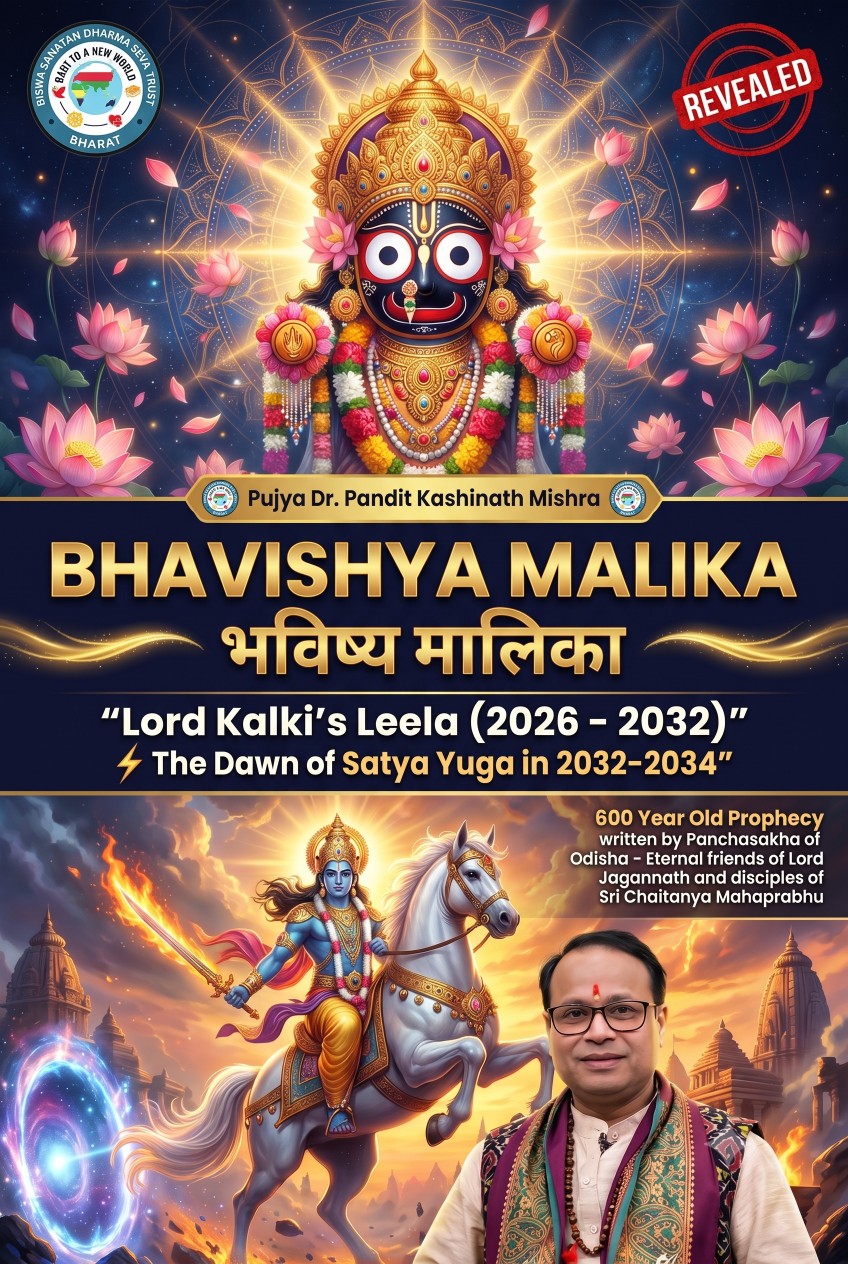

'Bhavishya Malika' is a collection of hundreds of texts written approximately 600 years ago by the Panchasakhas (five friends/associates) of Lord Shri Chaitanya Mahaprabhu. These texts remained hidden for centuries, and during that time, most people remained unaware of them. However, the super cyclone that hit Odisha in 1999 drew many people's attention toward 'Bhavishya Malika' because it was said that the prophecies regarding that cyclone had already been made in those texts.
Nevertheless, being written in the Odia language, the Bhavishya Malika remained limited to Odisha during that period. Hardly anyone outside of Odisha had knowledge of these texts. But gradually, times changed. In the year 2020, the COVID-19 pandemic once again attracted people's attention toward Bhavishya Malika. It was only after this pandemic that the promotion and dissemination of the Malika texts began outside of Odisha, and this process has continued ever since.
Because of this, countless people have started learning about Bhavishya Malika over the last few years. However, as often happens, along with this positive publicity, misinterpretation and misinformation about some Malika verses also began to spread. For instance, some people started spreading rumors that the age of Kaliyuga is 10,000 years; that the name of the last king of Puri would be Mukunda Dev; that the main events of Malika and the destructive pastimes (Sanhaar-Leela) of Lord Kalki would occur during the next Meena-Shani Yoga (the period between 2054-57); that the Khandagiri region is not in Bhubaneswar but located somewhere else; and that there are still many years left before the start of Satyayuga, etc.
Such misinformation began to create many doubts in the minds of devotees. Due to the lack of proper resolution to these doubts, their faith in the Malika started to diminish. The primary objective of this article is not only to provide new readers with correct and accurate information about Bhavishya Malika but also to resolve the doubts arising in the minds of devotees. It is hoped that by obtaining the correct information regarding these fundamental elements, the faithful will be able to further strengthen their belief in the Malika.
Between the 15th and 16th centuries, five great saints born in Odisha (Shishu Ananta Das, Yashobanta Das, Achyutananda Das, Balarama Das, and Jagannatha Das) composed hundreds of such texts in which countless prophecies were written. These texts came to be known as 'Bhavishya Malika'. Shri Chaitanya, born in 1486 and considered the dual incarnation of Shri Krishna and Radharani, had a deep connection with these five saints. Shri Chaitanya addressed these five as 'Panchasakha' (Five Friends). These Panchasakhas composed the Malika texts by the command of Mahaprabhu himself. Apart from the Panchasakhas, some other great saints also carried forward the tradition of Malika writing. For example, the devotee Salabega born in the 17th century, Saint Arkhit Das and Saint Hadidas born in the 18th century, Saint Bhima Bhoi of the 19th century, Thakur Shri Abhiram Paramahansa of the 20th century, etc.
Detailed prophecies were written in these Malika texts on subjects such as the age of Kaliyuga, the birth of Lord Kalki, the destruction of the wicked, the protection of devotees, the establishment of Dharma, and the arrival of Satyayuga.
One of the Panchasakhas, Mahapurush Achyutananda Das, wrote in one of his Malika texts:
Odia Sloka:
ବଳବନ୍ତ ଯଶୋବନ୍ତ ଅନନ୍ତ ଅଚ୍ୟୁତ,
ଜଗନ୍ନାଥ ଦାସ ପଞ୍ଚସଖା ନାମେ ଖ୍ୟାତ।
Transliteration:
Balabanta Yaśhobanta Ananta Achyuta,
Jagannātha Dāsa Pañchasakhā nāme khyāta.
It is noteworthy that the history of the Panchasakhas is ages old. At the end of every era (Yuga), the Panchasakhas descend to Earth, born from a portion of the Lord, to provide their invaluable contribution to the Lord's mission of re-establishing Dharma.
Mahapurush Achyutananda Das wrote in his Malika text ‘Udaya Kahani’:
Odia Sloka:
ଆମ୍ଭେ ପଞ୍ଚସଖା ପଞ୍ଚକୁଳରେ,
ଜନମ ହୋଇଲୁ କୃଷ୍ଣ ଆଜ୍ଞାରେ।
ଯୁଗ
ଯୁଗରେ ଯେ ଜନମ ହେଉ,
କୃଷ୍ଣଲୀଳାମାନ ମୁଖରେ ଗାଉ।
Transliteration:
Ambhe Pañchasakhā pañchakulare,
janama hoilu Kṛṣhṇa ājñāre.
yuga yugare je
janama heu,
Kṛṣhṇalīḷāmāna mukhare gau.
Mahapurush Achyutananda Das, in his Malika text ‘Udaya Kahani’, describes the forms taken by the five great saints in each of the four Yugas:
Odia Sloka:
ଆଦିଅନନ୍ତ ଯୁଗଟି ଅନ୍ତରେ, ସତ୍ୟ ପ୍ରବେଶ ହୋଇଲା ମହୀରେ।
ଅସୁର ବିନାଶ
କରିବା ପାଇଁ, ପ୍ରଭୁ ଜନମିଲେ ବ୍ରାହ୍ମଣେ ଯାଇଁ।
ପଞ୍ଚସଖା ଋଷିତନୁ ବହିଲେ, କୃପାଜଳ ଋଷି ଗାଗର୍ବ
ହେଲେ।
ମାର୍କଣ୍ଡ ଯେ ସ୍ୱୟଂଭୂ ନାରଦ, ପଞ୍ଚସଖା ଜନମ କହିଲି ଭେଦ।
ରାମ ଜନମ ତ୍ରେତୟା ଯୁଗରେ,
ତ୍ରେତୟା ଗୁଣ କହିଲେ ନ ସରେ।
ତ୍ରେତୟାରେ ନଳ ନୀଳ ସୁଷେଣ, ଜାମ୍ବବ ହନୁ
ପଞ୍ଚସଖାମାନ।
ତ୍ରେତୟା ଅନ୍ତେ ଦ୍ୱାପର ପ୍ରବେଶ, ଗୋପାଳ ମୂରତି ଶ୍ରୀକୃଷ୍ଣ
ବେଶ।
ପଞ୍ଚସଖାମାନେ ହେଲେ ଜନମ, ସୁବଳ ସୁବାହୁ ସୁଦାମ ଦାମ।
ଶ୍ରୀବତ୍ସ ଘେନି ପଞ୍ଚସଖା ହେଲେ,
ଦ୍ୱାପର ଲୀଳାମାନ ସାଙ୍ଗ କଲେ।
ଅବନୀ ମଧ୍ୟରେ ନାମ ସ୍ଥାପିଲେ, ହରିନାମରେ ଜଗତ
ମୋହିଲେ।
ସ୍ତ୍ରୀ ଶୂଦ୍ର ଆଦି ପାଷାଣ୍ଡ ଯେତେ, ହରିନାମ ଶୁଣି ହେଲେ ମୁକତେ।
ଆମ୍ଭେ ପଞ୍ଚସଖା
ଜନମ ହେଲୁ, ଅନନ୍ତ ଅଚ୍ୟୁତ ନାମ ବହିଲୁ।
ଜଗନ୍ନାଥ ଯଶୋବନ୍ତ ହୋଇଲେ, ପଞ୍ଚସଖା ମେଳ
ବଳରାମରେ।
ଏମନ୍ତ ନାମରେ ଆମ୍ଭେ ଜନମ, କହିଦେଲୁ ବାବୁ ତୋର ଆଗେଣ।
Transliteration:
Adi Ananta Yugaṭi Antare, Satya Prabesha Hoilā Mahire.
Asura Bināsha Karibā Pāiñ,
Prabhu Janamile Brāhmaṇe Jāiñ.
Pañchasakhā Ṛuṣi Tanu Bahile, Kṛupājala Ṛuṣi Gāgarba
Hele.
Mārkaṇḍa Je Swayambhū Nārada, Pañchasakhā Janama Kahili Bheda.
Rāma
Janama Tretayā Yugare, Tretayā Guṇa Kahile Na Sare.
Tretayāre Naḷa Nīḷa Suṣeṇa,
Jāmbaba Hanu Pañchasakhāmāna.
Tretayā Ante Dwāpara Prabesha, Gopāḷa Mūrati Shrī
Kṛuṣṇa Besha.
Pañchasakhāmāne Hele Janama, Subaḷa Subāhu Sudāma
Dāma.
Shrībatsa Gheni Pañchasakhā Hele, Dwāpara Līḷāmāna Sāṅga Kale.
Abanī
Madhyare Nāma Sthāpile, Harināmare Jagata Mohile.
Strī Shūdra Ādi Pāṣāṇḍa Jete,
Harināma Shuṇi Hele Mukate.
Ambhe Pañchasakhā Janama Helu, Ananta Achyuta Nāma
Bahilu.
Jagannātha Jashobanta Hoile, Pañchasakhā Meḷa Baḷarāmare.
Emanta
Nāmare Ambhe Janama, Kahidelu bābu tora āgeṇa.
That is, in ancient times, at the end of the Ananta Yuga when Satyayuga commenced, the Supreme Lord was born in a Brahmin form to destroy the demons. At that time, the five saints manifested from the Lord's own body as Sages: Kripajala, Garga (Gagarba), Markandeya, Swayambhu, and Narada.
Following Satyayuga, in Tretayuga, when the Lord performed countless pastimes in His Rama incarnation, these same five friends descended to Earth in the forms of Nala, Nila, Sushena, Jambavan (Jambeba), and Hanuman.
At the conclusion of Tretayuga, Dwaparyuga arrived, and the Lord was born in the form of the cowherd boy, Shri Krishna. During this time, Subala, Subahu, Sudama, Dama, and Shribatsa became the Panchasakhas and participated in the divine pastimes with Shri Krishna.
Furthermore, in Kaliyuga, when the Lord appeared in His Chaitanya incarnation, these five friends took birth to spread the holy name (Hari-naam), establishing an easy and simple path to salvation for all. In Kaliyuga, they became renowned as Shishu Ananta Das, Achyutananda Das, Jagannatha Das, Yashobanta Das, and Balarama Das.
When the disciple Ramadas questioned the specific names of the Panchasakhas across the four eras, Mahapurush Achyutananda Das provided this detailed account in his Malika text ‘Udaya Kahani’.
Odia Sloka:
ସତ୍ୟ ଯୁଗରେ ଋଷି କୃପାଜଳ, ତ୍ରେତୟା ସଖାଟି ଅଟଇ ନଳ।
ଦ୍ୱାପରେ ସୁଦାମ
ସଖାଟି ହୋଇ, କଳି ଯୁଗରେ ଅଚ୍ୟୁତ ବୋଲାଇ।
ଗାର୍ଗବ ଋଷି ସତ୍ୟ ଯୁଗରେ ହେଲେ, ତ୍ରେତୟା ଜାମ୍ବବ ନାମ
ବହିଲେ।
ଦ୍ୱାପରେ ସୁବାହୁ ବ୍ରଜ ଅଟନ୍ତି, ଯଶୋବନ୍ତ ନାମ କଳିରେ ପାନ୍ତି।
ସ୍ୱୟଂଭୂ ସତ୍ୟ
ଯୁଗରେ ସେ ଜାଣେ, ତ୍ରେତୟାରେ ଅଟେ ସେହି ସୁଷେଣ।
ଗୋପରେ ଶ୍ରୀବତ୍ସ ଦ୍ୱାପରେ ଜାତ, କଳି ଯୁଗରେ ନାମ
ଶିଶୁ ଅନନ୍ତ।
ସତ୍ୟ ଯୁଗରେ ସଖା ନାରଦ ଋଷି, ତ୍ରେତୟାରେ ନୀଳ ନାମ ପ୍ରକାଶି।
ଦାମ ଗୋପାଳ
ଦ୍ୱାପର ଯୁଗରେ, ବଳରାମ ଦାସ ନାମ କଳିରେ।
ମାର୍କଣ୍ଡ ଋଷି ଅଟେ ହନୁମାନ, ସୁବଳ ସଖାଟି ଦ୍ୱାପରେ
ପୁଣ।
ଜଗନ୍ନାଥ ନାମ କଳିରେ ହେଲେ, ପଞ୍ଚସଖା ନାମ ପ୍ରକାଶ କଲେ।
Transliteration:
Satya Yugare Ṛuṣi Kṛupājala, Tretayā Sakhāṭi Aṭai Naḷa.
Dwāpare Sudāma Sakhāṭi Hoi,
Kaḷi Yugare Achyuta Bolāi.
Gārgaba Ṛuṣi Satya Yugare Hele, Tretayā Jāmbaba Nāma
Bahile.
Dwāpare Subāhu Braja Aṭanti, Jashobanta Nāma Kaḷire Pānti.
Swayambhū
Satya Yugare Se Jāṇe, Tretayāre Aṭe Sehi Suṣeṇa.
Gopare Shrībatsa Dwāpare Jāta,
Kaḷi Yugare Nāma Shishu Ananta.
Satya Yugare Sakhā Nārada Ṛuṣi, Tretayāre Nīḷa Nāma
Prakāshi.
Dāma Gopāḷa Dwāpara Yugare, Baḷarāma Dāsa Nāma Kaḷire.
Mārkaṇḍa Ṛuṣi
Aṭe Hanumāna, Subaḷa Sakhāṭi Dwāpare Puṇa.
Jagannātha Nāma Kaḷire Hele, Pañchasakhā
Nāma Prakāsha Kale.
The Panchasakhas were omniscient, self-realized, and God-realized saints. They were supreme Yogis, seekers, and devotees, each excelling in a different field of spiritual science. Mahapurush Achyutananda Das describes this in his Malika:
Odia Sloka:
ଆଗମ୍ୟ ଭାବ ଜାଣେ ଯଶୋବନ୍ତ,
ଗାର କଟା ଯନ୍ତ୍ର ଜାଣେ ଅନନ୍ତ।
ଆଗତ
ଅନାଗତ ଅଚ୍ୟୁତ ଭଣେ,
ବଳରାମ ଦାସ ତତ୍ତ୍ୱ ବଖାଣେ।
ଭକ୍ତିର ଭାବ ଜାଣେ
ଜଗନ୍ନାଥ,
ପଞ୍ଚସଖା ଏ ଓଡ଼ିଶା ମହନ୍ତ।
Transliteration:
Āgamya Bhāba Jāṇe Jashobanta,
Gāra Kaṭā Jantra Jāṇe Ananta.
Āgata Anāgata
Achyuta Bhaṇe,
Baḷarāma Dāsa Tattwa Bakhāṇe.
Bhaktira Bhāba Jāṇe
Jagannātha,
Pañchasakhā E Oḍiśā Mahanta.
The Panchasakhas established their Peethas and hermitages at five distinct locations across Odisha. Mahapurush Achyutananda Das describes this in his Malika text ‘Chakada Madana’:
Odia Sloka:
ନେମାଳେ ଅଚ୍ୟୁତ ଅଢ଼ଙ୍ଗେ ଯଶୋବନ୍ତ, ବାଲିପାଟଣାରେ ରହିଲେ ଅନନ୍ତ।
ସାତ
ଲହଡ଼ିରେ ଜଗନ୍ନାଥ ରହି, କ୍ଷେତ୍ରବରେ ବଳବନ୍ତ।
Transliteration:
Nemāḷe Achyuta Aḍhaṅge Jashobanta, Bālipāṭaṇāre rahiḷe Ananta.
Sāta Lahaḍire
Jagannātha rahi, Khetrabare Baḷabanta.
The Panchasakhas have mentioned numerous times in their Malika texts that they are partial incarnations (Anshavatar) of the Supreme Lord Himself. Mahapurush Shishu Ananta Das writes in his text 'Chumbak Malika':
Odia Sloka:
ଅଚ୍ୟୁତ ବୋଲିଣ କଳିଯୁଗେ ନାମ ସୁଦାମ ସଖା ଅଟନ୍ତି,
ଶ୍ରୀଅଙ୍ଗରୁ ଜାତ
କଟିରୁ ଭକତ ଶୁଣ ହୋ ବାରଙ୍ଗ ଚେତି।
ମୁଖୁଁ ଯଶୋବନ୍ତ ହୃଦୁଁ ଆମ୍ଭେ ଜାତ ବାହୁ ମୂଁଳୁ
ବଳରାମ,
ରାଧାଙ୍କ ହାସ୍ୟରୁ ଜଗନ୍ନାଥ ଦାସ ବାରଙ୍ଗ ହେତୁରେ ଘେନ।
Transliteration:
Achyuta boliṇa Kaḷiyuge nāma Sudāma sakhā aṭanti,
Shrī-aṅgaru jāta kaṭiru bhakata
shuṇa ho Bāraṅga cheti.
Mukhuṃ Jashobanta hṛuduṃ ambhe jāta bāhu mūṃḷu
Baḷarāma,
Rādhāṅka hāsyaru Jagannātha Dāsa Bāraṅga heture ghena.
Not only Shishu Ananta Das ji, but Mahapurush Achyutananda Das has also written about this in his Malika text, 'Chakada Madana'. The Mahapurush writes:
Odia Sloka:
ନିରାକାର ଦେହୁ ପାଞ୍ଚଟି ଜ୍ୟୋତି,
ଅଚ୍ୟୁତ ଅନନ୍ତ ପଞ୍ଚକ
ମୂରତି।
ଯଶୋବନ୍ତ ଜଗନ୍ନାଥ ବଳରାମ,
ଜନମ ହୋଇଲୁ ଏ ମର୍ତ୍ତ୍ୟ ଧାମ।
Transliteration:
Nirākāra dehu pāṃchaṭi jyoti,
Achyuta Anaṃta paṃchaka mūrati.
Jashobaṃta
Jagannātha Balarāma,
janama hoilu e martya dhāma.
Mahapurush Achyutananda Das writes in the Malika text, 'Barnatika':
Odia Sloka:
ଶ୍ରୀ କୃଷ୍ଣ ଶରୀର ପଞ୍ଚଭୂତରୁ,
ପଞ୍ଚସଖା ଜନ୍ମ କହିଛି ଗୁରୁ।
Transliteration:
Shrī Kṛiṣhṇa sharīra paṃchabhūtaru,
paṃchasakhā janma kahichi guru.
The verses of the Malika are considered the words of Mahaprabhu Himself. One of the Panchasakhas, Mahapurush Achyutananda Das, writes in his Malika text ‘Shiva-kalpa Nabakhanda Nirghanta’:
Odia Sloka:
ମୁଁ କହୁଛି ବୋଲି ମୋର କଥା ନୁହେଁ ଆଦ୍ୟୁଁ ଖଞ୍ଜିଛନ୍ତି ଧାତା,
କର୍ମବାମ
ହେଲେ କଳ୍ପନା ଗ୍ରାସିବ ପ୍ରକୃତି କାଟିବେ ଚିତା।
Transliteration:
Muṃ kahuchi boli mora kathā nuheṃ ādyuṃ khañjichanti dhātā,
Karmabāma hele kalpanā
grāsiba prakṛuti kāṭibe chitā.
Mahapurush Shishu Ananta Das also told his disciple in ‘Patta Madana’:
Odia Sloka:
ଆହୁରି କଥାଏ ଶୁଣରେ ବାରଙ୍ଗ ହେତୁରଖ ଯାକୁସାର,
ଭାବବିନୋଦିଆ ହରିଙ୍କ ଏ
ବାଣୀ ଅଟେ ସିନା ଅଗୋଚର।
Transliteration:
Āhuri kathāe shuṇare Bāraṅga heturakha jākusāra,
Bhābabinodiā Hariṅka e bāṇī aṭe
sinā agochara.
Mahapurush Achyutananda Das wrote in his Malika text, 'Anakara Samhita':
Odia Sloka:
ଛତିଶ ସଂହିତା ଅଠସ୍ତରୀ ଗୀତା ବଂଶାନୁ ସପ୍ତବିଂଶରେ,
ଉପବଂଶାନୁ ଦ୍ୱାଦଶ
ଖଣ୍ଡ ବେନି ଭବିଷ୍ୟ ଶତ ଖଣ୍ଡ ରେ।
ପଦ ପଦ୍ୟାବଳି ଲକ୍ଷେକ ଯେ ଗ୍ରନ୍ଥ ସବୁ ଶ୍ରୀକୃଷ୍ଣ
ମହିମା,
ତୋ ଆଗେ କହିଲୁଁ ବ୍ରଜ କୁମର ବ୍ରହ୍ମ ସାରସ୍ୱତ ସୀମା।
Transliteration:
Chatisha saṃhitā aṭhastarī gītā baṃshānu saptabiṃshare,
upabaṃshānu dwādasha khaṃḍa
beni bhabiṣhya shata khaṃḍa re.
Pada padyābali lakṣheka je graṃtha sabu Shrīkṛiṣhṇa
mahimā,
to āge kahilu braja kumara brahma sāraswata sīmā.
Mahapurush Achyutananda Das wrote in his Malika text, 'Shibakalpa Nabakhanda Nirghanta':
Odia Sloka:
ଶ୍ରୀରଙ୍ଗା ଚରଣ ବିନୁ ନ ଜାଣଇ ନୀଳାଚଳେ ମନ ମୋର,
ତାଙ୍କ କଥାମାନ ଉଲ୍ଲେଖ
କରଇ ନ କହେ ଅଚ୍ୟୁତ ଛାର।
Transliteration:
Shrī raṃgācharaṇa binu na jāṇai nīlāchale mana mora,
tāṃka kathāmāna ullekha karai
na kahe Achyuta chāra.
Mahapurush Achyutananda Das again wrote in his Malika text, 'Parardha Jataka':
Odia Sloka:
ପ୍ରଭୁଙ୍କର ଆଜ୍ଞା ହେଲା ଯେପରି,
ଆମ୍ଭେ ଲେଖିଲୁ ପୋଥି ସେହିପରି।
Transliteration:
Prabhunkara ājñā helā jepari,
āmbhe lekhilu pothi sehipari.
Achyutanandaji wrote in his 'Agata Bhabishya Prabandha Malika':
Odia Sloka:
ଶ୍ରୀ ମୁଖରୁ ଯାହା ମୋତେ ଆଜ୍ଞା ହେଉଅଛି,
ସେହି ପଦମାନ ସବୁ ପୁରାଣେ
ଲେଖୁଛି।
Transliteration:
Shrī mukharu jāhā mote ājñā heuachi,
sehi padamāna sabu purāṇe lekhuchi.
Mahapurush Achyutananda Das writes in ‘Shiva-kalpa Nabakhanda Nirghanta’:
Odia Sloka:
ଯୋଗୀମାନେ ଯୋଗ ଅନ୍ତ ନ ପାଇବେ ଆଉ କେବା ସାମରଥା।
Transliteration:
Yogīmāne yoga anta na pāibe āu kebā sāmarathā.
Achyutananda Das further writes regarding the coded nature of the text:
Odia Sloka:
ଓଲଟ ପାଲଟ କକ୍ଷା ଏହି ଅଙ୍କ, କର ହୃଦେ ତୁହି ଠାବ।
କଳିଯୁଗ ଲୀଳା ଶେଷ ଯେ
ହୋଇବ, ମସିହାରେ ନାହିଁ ଠାବ।
Transliteration:
Olaṭa pālaṭa kakshā ehi aṅka, kara hṛude tuhi ṭhāba.
Kaḷiyuga līḷā shesha je hoiba,
masihāre nāhiṃ ṭhāba.
Regarding the birth of Kalki, he writes:
Odia Sloka:
ଗୁପତରେ ଆମ୍ଭେ ଜନମ ହେବୁ,
ଗୁପତରେ ସନ୍ ସାଲ ଚାଲିବୁ।
ଗୁପତ ଭକତ
ଜାଣନ୍ତି ଯାହା,
ଗୁପତ ଅଙ୍କ ଏ ଅଟେ ଏହା।
ଗୁପତରେ କେତେ ଖେଳ କରିବୁ,
ଗୁପତ ଅଙ୍କକୁ
ଚଳାଇ ଥିବୁ।
ମୋର ଭକତଟି ଜାଣିବେ ସେହି,
ଗୁପତ ଅଙ୍କ ବୋଲିଟି ଯେ ଏହି।
ଗୁପତ ଗୁପତ ଅତି
ଗୁପତ,
କହୁଅଛନ୍ତି ସେ ଦୀନ ଅଚ୍ୟୁତ।
Transliteration:
Gupatare ambhe janama hebu,
gupatare san sāla chālibu.
Gupata bhakata jāṇanti
jāhā,
gupata aṅka e aṭe ehā.
Gupatare kete kheḷa karibu,
gupata aṅkaku
chaḷāi thibu.
Mora bhakataṭi jāṇibe sehi,
gupata aṅka boliṭi ye
ehi.
Gupata gupata ati gupata,
kahuachanti se dīna Achyuta.
Mahapurush Achyutananda Das writes in his Malika text, 'Chakada Madana':
Odia Sloka:
ଗୁପତ ଗୁପତ ଏ ମହା ଗୁପତ ଆନେ ନ କହିବୁ ତୁହି,
ଦୀନ ଅଚ୍ୟୁତ ଯେ ଗୀତରେ
କହଇ ମୋ ପାଦକୁ ଥାଅ ଛୁଇଁ।
Transliteration:
Gupata gupata e mahā gupata āne na kahibu tuhi,
dīna Achyuta je gītare kahai mo
pādaku thāa chuiṃ.
In another text, the Mahapurush says to his disciple Ramadasa:
Odia Sloka:
କଳ୍କୀ ପ୍ରକାଶ ହେଲେ ତୋହ ମୋହ ଦେଖା,
ତେରଜଣ ମଧ୍ୟେ ଥିବୁ ଆମ୍ଭେ
ପଞ୍ଚସଖା।
ଗୁପତ ଅତି ଗୁପତ ଅଟଇ ହେ ରାମ,
କହୁଅଛି ବ୍ରଜ ବାଳ ହେତୁରେ ତୁ ଘେନ।
Transliteration:
Kalki prakāsha hele toha moha dekhā,
terajaṇa madhye thibu āmbhe
pañchasakhā.
Gupata ati gupata aṭai he Rāma,
kahuachi braja bāla heture tu
ghena.
The Mahapurush writes again:
Odia Sloka:
ଗୁପତ ଗୁପତ ଏ ମହା ଗୁପତ ଶୁଣ ତୁ ରେ ରାମଚନ୍ଦ୍ର,
ବ୍ରହ୍ମା ଶଙ୍କରକୁ ଭେଦ
ତ ନଥିବ ନ ଜାଣିବେ ଇନ୍ଦ୍ର ଚନ୍ଦ୍ର।
Transliteration:
Gupata gupata e mahā gupata shuṇa tu re Rāmachandra,
Brahmā Shaṅkaraku bheda ta
nathiba na jāṇibe Indra Chandra.
Sant Bhima Bhoi has also written on this subject in his Malika text, 'Stuti Chintamani':
Odia Sloka:
ସଂସାର ମଧ୍ୟରେ କେମନ୍ତେ ଜାଣିବେ ନର ଅଙ୍ଗେ ଦେହ ବହି,
ଗତ ଆଗତ ଯୁଗର
ବ୍ୟବସ୍ଥା ସମସ୍ତଙ୍କୁ ଜଣାନାହିଁ।
Transliteration:
Saṃsāra madhyare kemaṃte jāṇibe nara aṅge deha bahi,
gata āgata yugara byabasthā
samastaṃku jaṇānāhiṃ.
Now the question arises, who
are those devotees of the Lord from previous eras upon whom the Lord will bestow His grace and
who will believe in the words of the Malika, be able to know about them, and have accurate
knowledge regarding the end of Kali Yuga and the Kalki avatar!
Mahapurush
Achyutananda Das gave the answer to this in his Malika text, 'Shibakalpa Nabakhanda Nirghanta'.
The Mahapurush writes:
Odia Sloka:
କୋଟିକେ ଗୋଟିଏ ଜାଣନ୍ତି ଏ ରସ ତିନି ସସ୍ରେ ଗଣାସେହି,
ମହିମା ପ୍ରକାଶ
ନିଶ୍ଚେ ସେହି ଦାସ ଆନେ ମୁଁ କହନ୍ତି ନାହିଁ।
Transliteration:
Koṭike goṭie jāṇaṃti e rasa tini sasre gaṇāसेhi,
mahimā prakāsha nishche sehi dāsa
āne muṃ kahaṃti nāhiṃ.
Bhavishya Malika consists of the words of the Lord Himself, so there is no question of them failing. In the Malika text ‘Chakada Madana’, Mahapurush Achyutananda Das writes:
Odia Sloka:
ପୃଥିବୀ ଦୁଇଫାଳ ହେଲେ ହୋଇବ, ପୂର୍ବ ସୂର୍ଯ୍ୟ ଅବା ପଶ୍ଚିମେ ଯିବ।
ପର୍ବତ
ଶିଖରେ ଫୁଟିବ କଇଁ, ଅଚ୍ୟୁତ ବଚନ ମିଥ୍ୟା ନୁହଇଁ।
ଅଚ୍ୟୁତର ବାଣୀ ଅଟେ ପଥରର ଗାର, ଆନ କରିବାକୁ
ନାହିଁ କ୍ଷମତା କାହାର।
Transliteration:
Pṛuthibī duiphāḷa hele hoiba, pūrba sūrya abā pashchime jiba.
Parbata shikhare
phuṭiba kaiñ, Achyuta bachana mithyā nuhaiñ.
Achyutara bāṇī aṭe patharara gāra, āna
karibāku nāhiñ khyamatā kāhāra.
In ‘Shiva-kalpa Nabakhanda Nirghanta’, he writes:
Odia Sloka:
ସୀତା ଠାକୁରାଣୀ ଅସତୀ ହୋଇବେ ପର୍ବତେ ଫୁଟିବ କଇଁ,
ଅଚ୍ୟୁତ ବଚନ ତିଳେ ନ
ଟଳିବ ପାଷାଣର ଗାର ଏହି।
Transliteration:
Sītā ṭhākurāṇī asatī hoibe parbate phuṭiba kaiñ,
Achyuta bachana tiḷe na taḷiba
pāṣāṇara gāra ehi.
Odia Sloka:
ଏ କଥା ଯେବେ ନ ହୋଇବ, ଆମ୍ଭ ଶ୍ରୀମୁଖ ମିଥ୍ୟା ହେବ।
Transliteration:
E kathā jebe na hoiba, ambha Shrīmukha mithyā heba.
The Mahapurush wrote again in 'Chakada Madana':
Odia Sloka:
ଶ୍ରୀ ଅଚ୍ୟୁତୀ ବାଣୀ ପଥରର ଗାର ପର୍ବତେ ଫୁଟିବ କଇଁ,
ପୂର୍ବ ସୂର୍ଯ୍ୟ
ଅବା ପଶ୍ଚିମକୁ ଯିବ ମୋ ବଚନ ସତ୍ୟ ଏହି।
Transliteration:
Shrī Achyuta bāṇī patharara gāra parbate phuṭiba kaiṃ,
pūrba sūrya abā pashchimaku
jiba mo bachana satya ehi.
An incarnation of Achyutananda
Das ji, Sant Hadi Das, who was born in the 18th century near Chatia in the Jajpur district of
Odisha, also composed many Malika texts.
In his Malika text 'Kali Chautisha', he
wrote:
Odia Sloka:
ଟଳିବ ନାହିଁଟି ଏ କଥା ନିଶ୍ଚେ ହୋଇବ ଦିନେ,
ଟାକି ରହିଛନ୍ତି ଭରସା କରି
ଭକତମାନେ।
Transliteration:
Ṭaliba nāhiṃṭi e kathā nishche hoiba dine,
ṭāki rahichaṃti bharasā kari
bhakatamāne.
Mahapurush Achyutananda Das wrote again in his Malika text, 'Agata Bhabishyat Malika':
Odia Sloka:
ଅଚ୍ୟୁତ ଦାସ ବାରମ୍ବାର,
ବୁଝାଏ ଭକତଙ୍କୁ ଧୀର।
ନମଣ ଏହାକୁ ଯେ
ଆନ,
ଅଚ୍ୟୁତ ଦାସ କରେ ଧ୍ୟାନ।
କଳି କଳ୍ମଷ ନାଶଯିବ,
ଅଚ୍ୟୁତ ବାକ୍ୟ ନ
ଟଳିବ।
ଅନନ୍ତ ଅଚ୍ୟୁତଙ୍କ ଲୀଳା,
ସାରିବେ ପ୍ରଭୁ ଚକାଡୋଳା।
Transliteration:
Achyuta dāsa bārambāra,
bujhāe bhakataṃku dhīra.
Namaṇa ehāku je
āna,
Achyuta dāsa kare dhyāna.
Kali kalmaṣha nāshajiba,
Achyuta bākya na
ṭaliba.
Anaṃta Achyutanka līlā,
sāribe prabhu chakāḍolā.
The Mahapurush wrote again in one of his Malika texts:
Odia Sloka:
ଅମୃତ ଭକ୍ଷି ଯାଇପାରେ ପ୍ରାଣ,
ଅଚ୍ୟୁତ ବଚନ ନୋହିବ ଆନ।
Transliteration:
Amṛita bhakṣhi jāipāre prāṇa,
Achyuta bachana nohiba āna.
Mahapurush Achyutananda Das writes in his 'Udaya Kahani':
Odia Sloka:
ଅଚ୍ୟୁତ ବଚନ ଆନ ନୋହିବ,
କହିଲେ ଅପ୍ରାଧ ନିଶ୍ଚେ ପାଇବ।
Transliteration:
Achyuta bachana āna nohiba,
kahile aparādha nishche pāiba.
The Mahapurush writes in 'Chakada Madana':
Odia Sloka:
ମୋ ଶ୍ରୀମୁଖ ବାଣୀ ଅନ୍ୟଥା ନୋହିବ ପର୍ବତେ ଫୁଟିବ କଇଁ,
ନେମାଳ ବଟକୁ ଲୟ
ଲଗାଇଣ ଦୀନ ଅଚ୍ୟୁତୀ କହଇ।
Transliteration:
Mo shrīmukha bāṇī anyathā nohiba parbate phuṭiba kaiṃ,
Nemāla baṭaku laya lagāiṇa
dīna Achyutī kahai.
In the Malika text 'Chakada Madana' itself, Mahapurush Achyutananda Das wrote again:
Odia Sloka:
ମହୀଫାଟି ଜଳୁପଛେ ପ୍ରଳୟ ଅନଳ,
ଯାହା କହିଛନ୍ତି ତାହା ସର୍ବଦା ଅଚଳ।
Transliteration:
Mahīphāṭi jalupache pralaya anala,
jāhā kahichaṃti tāhā sarbadā achala.
Often, many people become fearful after reading the prophecies of the Malika and dismiss them as "scare tactics." However, this thinking is entirely incorrect. The primary objective is the spiritual protection and guidance of devotees through the transition of eras.
Mahapurush Achyutananda Das writes in his Malika text ‘Shiva-kalpa Nabakhanda Nirghanta’:
Odia Sloka:
ହେତୁ ରସାଇବା ପାଇଁକି ଅଚ୍ୟୁତ ଶାହାସ୍ତ୍ର ପୁରାଣ କଲା,
କଳିକାଳଠାରୁ ବଳି
କାଳ ଯହିଁ ହକ କଥାଟା ଲେଖିଲା।
Transliteration:
Hetu rasāibā pāiṃki Achyuta shāhāstra purāṇa kalā,
kalikālaṭhāru bali kāla jahiṃ
haka kathāṭā lekhilā.
Mahapurush Achyutananda Das writes again:
Odia Sloka:
ଅବନୀକୁ ଚେତେଇବା ପାଇଁ ଚେତାବନୀ,
ଅବନୀ ହିତେ ଲେଖା ଏ ଭବିଷ୍ୟ ବାଣୀ।
Transliteration:
Abanīku cheteibā pāiñ chetābanī,
Abanī hite lekhā e bhabishya bāṇī.
Mahapurush writes again in ‘Chakada Madana’:
Odia Sloka:
ପୂର୍ବର ବାସନା ମୂଳେ ଜ୍ଞାନ ଉଦୟ ହେଲା,
ଭକ୍ତଙ୍କ ହିତରେ ମାଳିକା ଗ୍ରନ୍ଥ
ଲେଖି ରଖିଲା।
Transliteration:
Pūrbara bāsanā mūḷe jñāna udaya helā,
Bhaktanka hitare Māḷikā grantha lekhi
rakhilā.
Mahapurush again writes in ‘Chakada Madana’:
Odia Sloka:
ଚକଡ଼ା ମଡ଼ାଣ ସତର୍କ ଘଣ୍ଟି ଯେ ଚେତାବନୀ ଏହି ଜାଣ।
Transliteration:
Chakaḍā Maḍāṇa satarka ghaṇṭi je chetābanī ehi jāṇa.
Mahapurush further wrote:
Odia Sloka:
ସାରସ୍ୱତ ଗ୍ରନ୍ଥ ଏହି ଚେତାବନୀ ପୁଣ,
ବାରଣ ବେଳେ ପ୍ରକାଶ ଭକ୍ତ ହିତେ
ପୁଣ।
Transliteration:
Sāraswata grantha ehi chetābanī puṇa,
bāraṇa beḷe prakāsha bhakta hite puṇa.
We should know well that the Malika is not for everyone. The Panchasakha Mahapurushas have forbidden their disciples in the Malika texts from propagating these words before fools. The Mahapurush said that these are not for everyone; not all people will be able to understand them. Only the Lord's devotees will be able to believe in them.
Mahapurush Achyutananda Das writes in his Malika text ‘Chakada Madana’:
Odia Sloka:
ଲକ୍ଷେ ପଞ୍ଚାଅଶୀ ଗ୍ରନ୍ଥ କଳିପୁଣି ଆଗତ ଭବିଷ୍ୟ ବାଣୀ,
ଭକତ ହିତରେ
ପ୍ରକାଶ କରିଲି ଦୀନ ଅଚ୍ୟୁତ ଯେ ଭଣି।
Transliteration:
Lakshe pañchāashī grantha kaḷi puṇi āgata bhabishyabāṇī,
Bhakata hitare prakāsha
karili dīna Achyuta je bhaṇi.
Achyutananda Das then says to his disciple Ramadas in his Malika text ‘Chakada Madana’:
Odia Sloka:
ଶୁଣ ରାମଚନ୍ଦ୍ର ଏ ପରମତତ୍ତ୍ୱ ମୂର୍ଖକୁ ନ କର ପ୍ରକାଶ,
ତତେ ସପ୍ତବାର
ନିୟମ ଦେଉଛି କହଇ ଦୀନ ଅଚ୍ୟୁତ।
ଲକ୍ଷେ ପଞ୍ଚାଅଶୀ ତିନି ଅଠର ମାଳିକା କଲି ପ୍ରକାଶ,
ବାରଣ
ବେଳକୁ ଏ ଗ୍ରନ୍ଥ ରଖିଛି ଜ୍ଞାନୀ ଜନଙ୍କ ପୀୟୂଷ।
Transliteration:
Shuṇa Rāmachandra e paramatattwa mūrkhaku na kara prakāsha,
tate saptabāra niyama
deuchi kahai dīna Achyuta.
Lakshe pañchāashī tini aṭhara mālikā kali
prakāsha,
bāraṇa beḷaku e grantha rakhichi jñānī janaṅka pīyūṣa.
Mahapurush Achyutananda Das wrote in ‘Chakada Madana’:
Odia Sloka:
ହୋଇବ ଡାକିନୀ ଗୋଳ ପଡ଼ିବ ଚହଳ,
ଅବନୀ କମ୍ପିବ ସଦା ହୋଇ
ଟଳଟଳ।
ନାନା ଉତ୍ପାତ ମାନ ଅନ୍ତରୀକ୍ଷେ ହେବ,
ଭକ୍ତ ବିନା ଅନ୍ୟ କେହି ଜାଣି ନ ପାରିବ।
Transliteration:
Hoiba ḍākinī goḷa paḍiba chahaḷa,
Abanī kampiba sadā hoi taḷataḷa.
Nānā utpāta
māna antarikṣe heba,
Bhakta binā anya kehi jāṇi na pāriba.
Mahapurush says to disciple Ramadas in his Malika text ‘Chakada Madana’:
Odia Sloka:
ଶୁଣ ବାବୁରାମ ଚକଡ଼ା ମଡ଼ାଣ ମୂର୍ଖଙ୍କୁ କହିବୁ ନାହିଁ,
ଘୋର କଳିକାଳ
ଟାହି ଯେ ଟାପରା ବାନା ନିନ୍ଦା ହେବ ତହିଁ।
Transliteration:
Shuṇa Bāburāma Chakaḍā Maḍāṇa mūrkhanku kahibu nāhiñ,
Ghora Kaḷikāḷa ṭāhi je ṭāparā
bānā nindā heba tahiñ.
Mahapurush Achyutananda Das wrote again in his Malika text ‘Chakada Madana’:
Odia Sloka:
ମୂର୍ଖଙ୍କୁ ଏ ଗ୍ରନ୍ଥ ଅଟଇଟି ବିଷ ଜ୍ଞାନୀଙ୍କୁ ଅଟେ ପିୟୂଷ,
ଅଜ୍ଞାନୀ
ଆଗରେ ପ୍ରକାଶ କରିଲେ ମୋ ଅମୃତେ ହେବ ବିଷ।
Transliteration:
Mūrkhanku e grantha aṭaiṭi biṣa jñānīnku aṭe piyūṣa,
Ajñānī āgare prakāsha karile
mo amṛute heba biṣa.
Mahapurush Achyutananda Das wrote once more in ‘Chakada Madana’:
Odia Sloka:
ଶୁଣ ରାମଚନ୍ଦ୍ର କହୁଛି ଏହି ନିଷ୍ଠା ବଚନ,
ଚକଡ଼ା ମଡ଼ାଣ ଅଟଇ ଭକ୍ତଙ୍କ
ଗଣ୍ଠିଧନ।
ବାରଣ ବେଳକୁ ରଖିଛି ଏହା ଭକ୍ତଙ୍କ ପାଇଁ,
ଗୁପତରେ ଖେଳ ହୋଇବ ତୋତେ ଦେଲି
ଚେତେଇ।
ଗଣ୍ଠିଆ ଭକତ ଅଟଇ ଗଣ୍ଠି କଥାରେ ମନ,
ସାତଶ ବାସ୍ତରୀ ପରାର୍ଦ୍ଧ ଭବିଷ୍ୟତ
ପୁରାଣ।
ଧର୍ମ ସଂସ୍ଥାପନ ହୋଇବ ଭକ୍ତ ହେବେ ମୁକତ,
ଶୁଣ ରାମଚନ୍ଦ୍ର ଦାସରେ ମୋର ବଚନ ସତ୍ୟ।
Transliteration:
Shuṇa Rāmachandra kahuchi ehi niṣṭhā bachana,
Chakaḍā Maḍāṇa aṭai bhaktaṅka
gaṇṭhidhana.
Bāraṇa beḷaku rakhichi ehā bhaktaṅka pāiṃ,
Gupatare kheḷa hoiba
tote deli chetei.
Gaṇṭhiā bhakata aṭai gaṇṭhi kathāre mana,
Sātasha bāstarī
parārddha bhabishyata purāṇa.
Dharma saṃsthāpana hoiba bhakta hebe
mukata,
Shuṇa Rāmachandra dāsare mora bachana satya.
Mahapurush Achyutananda Das further wrote in his Malika text ‘Chakada Madana’:
Odia Sloka:
ନେମାଳ ବଟକୁ ଲୟ ଲଗେଇ,
ଚକଡ଼ା ମଡ଼ାଣ ଖେଦା ଲେଖଇ।
ସାରସ୍ୱତ
ଗ୍ରନ୍ଥ ଅଟଇ ଏହି,
ବେଳକୁ ରଖିଛି ଭକ୍ତଙ୍କ ପାଇଁ।
ଉତ୍ତମ ଶିଷ୍ୟରେ କର ପ୍ରକାଶ,
ବାନା
ନିନ୍ଦା କହେ ଅଚ୍ୟୁତ ଦାସ।
Transliteration:
Nemāḷa baṭaku laya lagei,
Chakaḍā Maḍāṇa khedā lekhai.
Sāraswata grantha aṭai
ehi,
Beḷaku rakhichi bhaktaṅka pāiñ.
Uttama shiṣyare kara prakāsha,
Bānā
nindā kahe Achyuta Dāsa.
Mahapurush Achyutananda Das writes once again in ‘Chakada Madana’:
Odia Sloka:
ଲାଗି ଅଲଗାରେ ଚକଡ଼ା ମଡ଼ାଣ ଭକ୍ତ ଗଣ୍ଠିଧନ ଜାଣ,
ଭକତ ଜାଣିବେ ଏହାର ଯେ
ଭେଦ ଶୂନ୍ୟରେ ଅଛି ପ୍ରମାଣ।
ବାରଣ ବେଳରେ ଏ ଗ୍ରନ୍ଥ ପ୍ରକାଶ ମୂର୍ଖେ ନ କର ପ୍ରକାଶ,
ନେମାଳ
ବଟ ଯେ ସାଧୁ ପଦାଶ୍ରିତ ଭଣେ ପାମର ଅଚ୍ୟୁତ।
Transliteration:
Lāgi alagāre Chakaḍā Maḍāṇa bhakta gaṇṭhidhana jāṇa,
bhakata jāṇibe ehāra je bheda
shūnyare achi pramāṇa.
Bāraṇa beḷare e grantha prakāsha mūrkhe na kara
prakāsha,
Nemāḷa baṭa je sādhu padāshrita bhaṇe pāmara Achyuta.
Mahapurush Achyutananda Das wrote in ‘Shiva-kalpa Nabakhanda Nirghanta’:
Odia Sloka:
ଚେତୁଆ ଭକତମାନଙ୍କ ନିମନ୍ତେ ତିନି ଅଠର ଖଣ୍ଡ,
ଭବିଷ୍ୟ ଲେଖିଲା ପାମର
ଅଚ୍ୟୁତ ନ ଜାଣନ୍ତି ଦୁରୁଦଣ୍ଡ।
Transliteration:
Chetuā bhaktamānaṅka nimante tini aṭhara khaṇḍa,
Bhabishya lekhilā pāmara Achyuta
na jāṇanti durudaṇḍa.
He wrote again:
Odia Sloka:
ମ୍ଳେଚ୍ଛ ବିନାଶି ପ୍ରଭୁ ମେଦିନୀ ରଖିବେ,
ସନାତନ ଧର୍ମ ନିଶ୍ଚେ ପ୍ରଚାର
କରିବେ।
କଳିଯୁଗ ଶେଷରେ ପ୍ରକାଶ ନରହରି,
ନାମ ଭଜଏ ଘୋର କଳିରେ ଯିବ ତରି।
ବିପଦ କାଳରେ
ଭକ୍ତଙ୍କ ରକ୍ଷା ପାଇଁ,
ଚକଡ଼ା ମଡ଼ାଣ ଗ୍ରନ୍ଥ ଅଚ୍ୟୁତ ରଚଇ।
Transliteration:
Mlechha bināshi Prabhu medinī rakhibe,
Sanātana Dharma nishche prachāra
karibe.
Kaḷiyuga sheshare prakāsha Narahari,
Nāma bhajae ghora kaḷire jiba
tari.
Bipada kāḷare bhaktaṅka rakṣā pāiñ,
Chakaḍā Maḍāṇa grantha Achyuta
rachai.
Mahapurush Achyutananda Das writes further in his Malika text, 'Chakada Madana':
Odia Sloka:
ଧର୍ମ ସଂସ୍ଥାପନ ପାପ ନାଶନ,
ଖେଦା ଚେତାବନୀ ଭବିଷ୍ୟ ଜ୍ଞାନ।
ସବୁ
ଲେଖିଗଲି ଭକ୍ତଙ୍କ ପାଇଁ,
ଭକ୍ତ ମୋହର ଯେ ସୋଦର ଭାଇ।
ଭକତ ମୋ ପଞ୍ଚ ପ୍ରାଣଟି
ଜାଣ,
ଭକ୍ତଙ୍କ ନିମନ୍ତେ ଖେଦା ଲିଖନ।
Transliteration:
Dharma saṃsthāpana pāpa nāshana,
khedā chetābanī bhabishya jñāna.
Sabu
lekhigali bhaktanka pāiṃ,
bhakta mohara je sodara bhāī.
Bhakata mo pañcha
prāṇaṭi jāṇa,
bhaktanka nimaṃte khedā likhana.
The Mahapurush wrote again:
Odia Sloka:
ସାତଶ ବାସ୍ତରୀ ପରାର୍ଦ୍ଧ ଅଟଇ ଚକଡ଼ା ମଡ଼ାଣ ଜାଣ,
ଘୋର କଳିଯୁଗ ଦୁଷ୍ଟଜନ
ଛନ୍ତି ଡର ଲାଗୁଅଛି ପୁଣ।
ମୂର୍ଖଙ୍କ ଆଗରେ ପ୍ରକାଶ ନ କର ନିୟମ ଦେଉଛି ମୁହିଁ।
Transliteration:
Sātasha bāstarī parārddha aṭai Chakaḍā Maḍāṇa jāṇa,
ghora kaliyuga duṣhṭajana
chaṃti ḍara lāguachi puṇa.
Mūrkhanka āgare prakāsha na kara niyama deuchi muṃhi.
In 'Chakada Madana' itself, the Mahapurush writes:
Odia Sloka:
ଶୁଣ ରାମଦାସ ଚକଡ଼ା ମଡ଼ାଣ ମୂର୍ଖେ ନ କର ପ୍ରକାଶ,
ନୋହିଲା ନୋହିଲା
ପଡୁଥିବ ହୁରି ଭକ୍ତ ଜାଣିବ ଅବଶ୍ୟ।
Transliteration:
Shuṇa Rāmadāsa Chakaḍā Maḍāṇa mūrkhe na kara prakāsha,
nohilā nohilā paḍuthiba huri
bhakta jāṇiba abashya.
The Bhavishya Malika consists of the words of Mahaprabhu Himself, and therefore it is no surprise that countless prophecies in the Malika have come true so far. We will discuss some such prophecies with you that have proven to be 100% true.
Mahapurush Achyutananda Das wrote in his Malika texts 'Kalikalpa Gita' and 'Achyuta Thara':
Odia Sloka:
ତେର ଦିନ ପକ୍ଷ ହୋଇବ ଯେବେ, କଳ୍କୀଙ୍କ ଲୀଳା ଲାଗିବ ତେବେ।
କ୍ଷେତ୍ରରେ
ହୋଇବ ବ୍ରାହ୍ମଣ ରାଜା, ଫେରିବ କିଛିତାହାର ତରିଜା।
କିଛି ଦିନ ଭୋଗ କରିବ ମହୀ, ତେର ଦିନ ସେହି ଛତ୍ର
ଉଡ଼ାଇ।
ସେ ଅଟନ୍ତି ଅଟଳ ବିହାରୀ ବାଜପେୟୀ, ଦିଲ୍ଲୀ ରାଜ ସିଂହାସନେ ବସିଲେକ
ତହିଁ।
କ୍ଷେତ୍ରରେ ହୋଇଲେ ଯେବେ ବ୍ରାହ୍ମଣ ଯେ ରାଜା, ତାଙ୍କ ସମୟରେ କିଛି ହୋଇଲା
ତରିଜା।
ତେରଦିନ ଛତ୍ର ସେହି ଉଡ଼େଇଣ ଦେଲେ, ତାପରେ ପାଞ୍ଚ ବରଷ ମହୀ ଭୋଗ କଲେ।
ସେ ଅଟନ୍ତି
ଅଟଳ ବିହାରୀ ବାଜପେୟୀ, ଦିଲ୍ଲୀ ରାଜ ସିଂହାସନେ ବସିଲେକ ତହିଁ।
ପ୍ରଥମେ ତେର ଦିନ ପ୍ରଧାନ ମନ୍ତ୍ରୀ
ହେଲେ, ତାପରେ ପାଞ୍ଚ ବରଷ ଶାସନ କରିଲେ।
ଅଚ୍ୟୁତ ବଚନ ଅଟେ ପଥରର ଗାର, ଆନ କରିବାକୁ ନାହିଁ ଶକତି
କାହାର।
Transliteration:
Tera dina pakṣa hoiba jebe, Kaḷkīṅka līḷā lāgiba tebe.
Khetratre hoiba Brāhmaṇa
rājā, pheriba kichhitāhāra tarijā.
Kichhi dina bhoga kariba mahī, tera dina sehi
chhatra uḍāi.
Se aṭanti Aṭala Bihārī Bājapeyī, Dillī rāja siṃhāsane basileka
tahiñ.
Khetratre hoile jebe Brāhmaṇa je rājā, tāṅka samayare kichhi hoilā
tarijā.
Teradina chhatra sehi uḍeiṇa dele, tāpare pāñcha baraṣa mahī bhoga
kale.
Se aṭanti Aṭala Bihārī Bājapeyī, Dillī rāja siṃhāsane basileka
tahiñ.
Prathame tera dina pradhāna mantrī hele, tāpare pāñcha baraṣa shāsana
karile.
Achyuta bachana aṭe patharara gāra, āna karibāku nāhiñ shakati kāhāra.
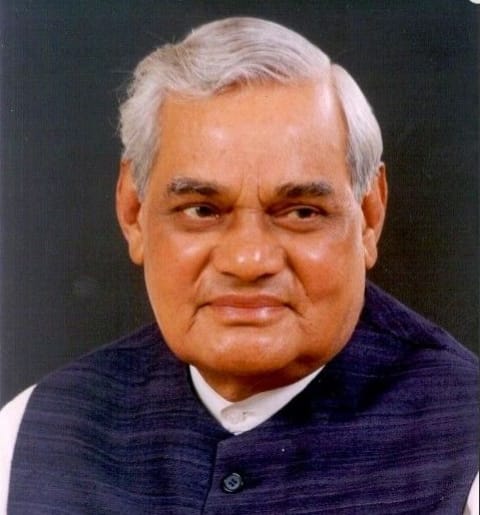
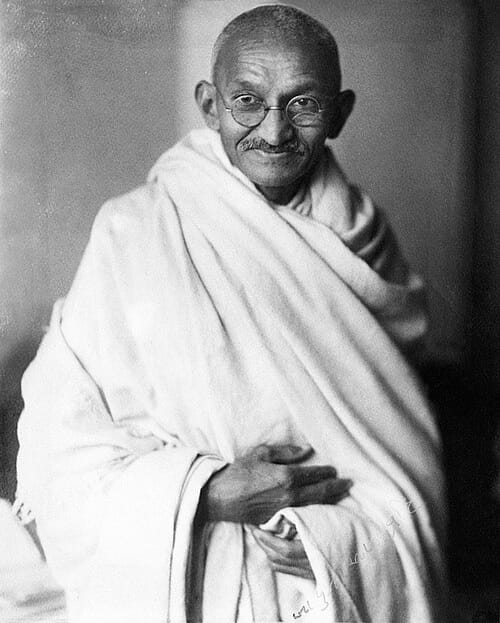
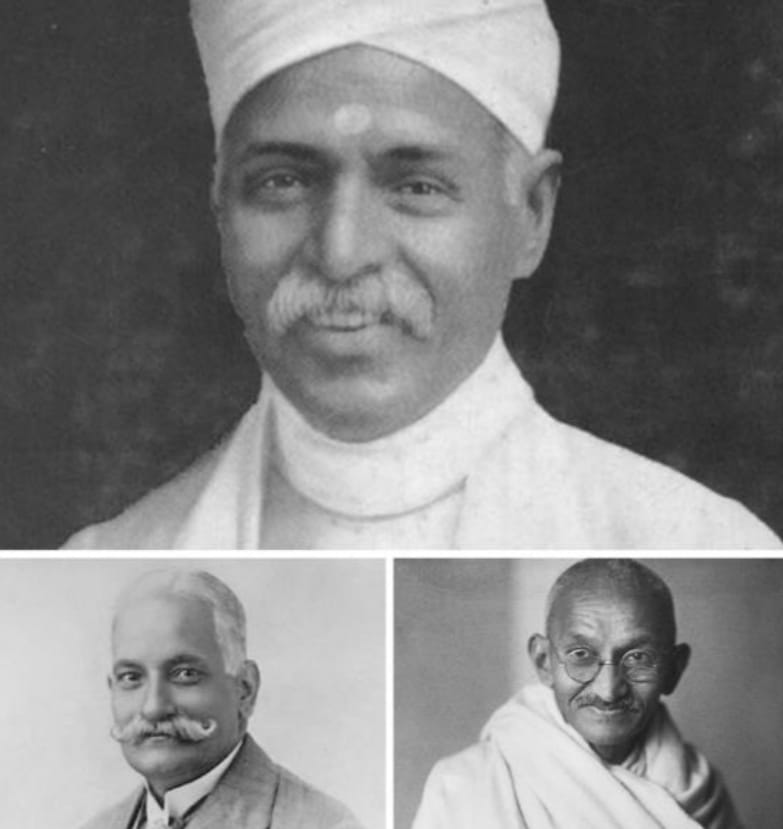
Mahapurush Achyutananda Das, 600 years ago in his famous text 'Shiva-kalpa Nabakhanda Nirghanta', made an extensive prophecy regarding Mahatma Gandhi.
Odia Sloka:
ଜନମ ହୋଇ ଗୁଜରାଟରେ, ମୋହନ ମୋହିବ ରାମ ନାମରେ।
ଅହିଂସାକୁ ଅସ୍ତ୍ର କରିବ
ଜାଣ, ଫିରିଙ୍ଗୀ ହଟିବେ ସେ କାଳେ ଜାଣ।
ତା ଅନ୍ତେ ଧର୍ମ ହୋଇବ ହାଣି, ମୋହନ ରାଜୁତି ହୋଇବ
ହାଣି।
ଗୁଳି ଚୋଟେ ତାର ପ୍ରାଣ ଯିବ, ଗଡସେ କଳିମଞ୍ଜି ପୋତିବ।
ଜାଣି ନ ପାରିବେ ସଂସାର
ପ୍ରାଣୀ, ଟେକି କହୁଥିବେ କଥା ନ ଜାଣି।
Transliteration:
Janama hoi Gujarāṭare, Mohana mohiba Rāma nāmare.
Ahinsāku astra kariba jāṇa,
phiriṅgī haṭibe se kāḷe jāṇa.
Tā ante dharma hoiba hāṇi, Mohana rājuti hoiba
hāṇi.
Guḷi choṭe tāra prāṇa jiba, Gaḍse kaḷimañji potiba.
Jāṇi na pāribe
saṃsāra prāṇī, ṭeki kahuthibe kathā na jāṇi.
The Mahapurush further wrote that Mohan would not hold power himself, and after his death, there would be a decline in Dharma. He specifically noted that a person named "Godse" would kill him with a "bullet" (Guli), and by doing so, would sow the seeds of Kali in the nation. He even foretold that many people would fail to understand Gandhi properly and would justify the killer's act out of ignorance. As we know, every word of this prophecy regarding the Father of the Nation came true.
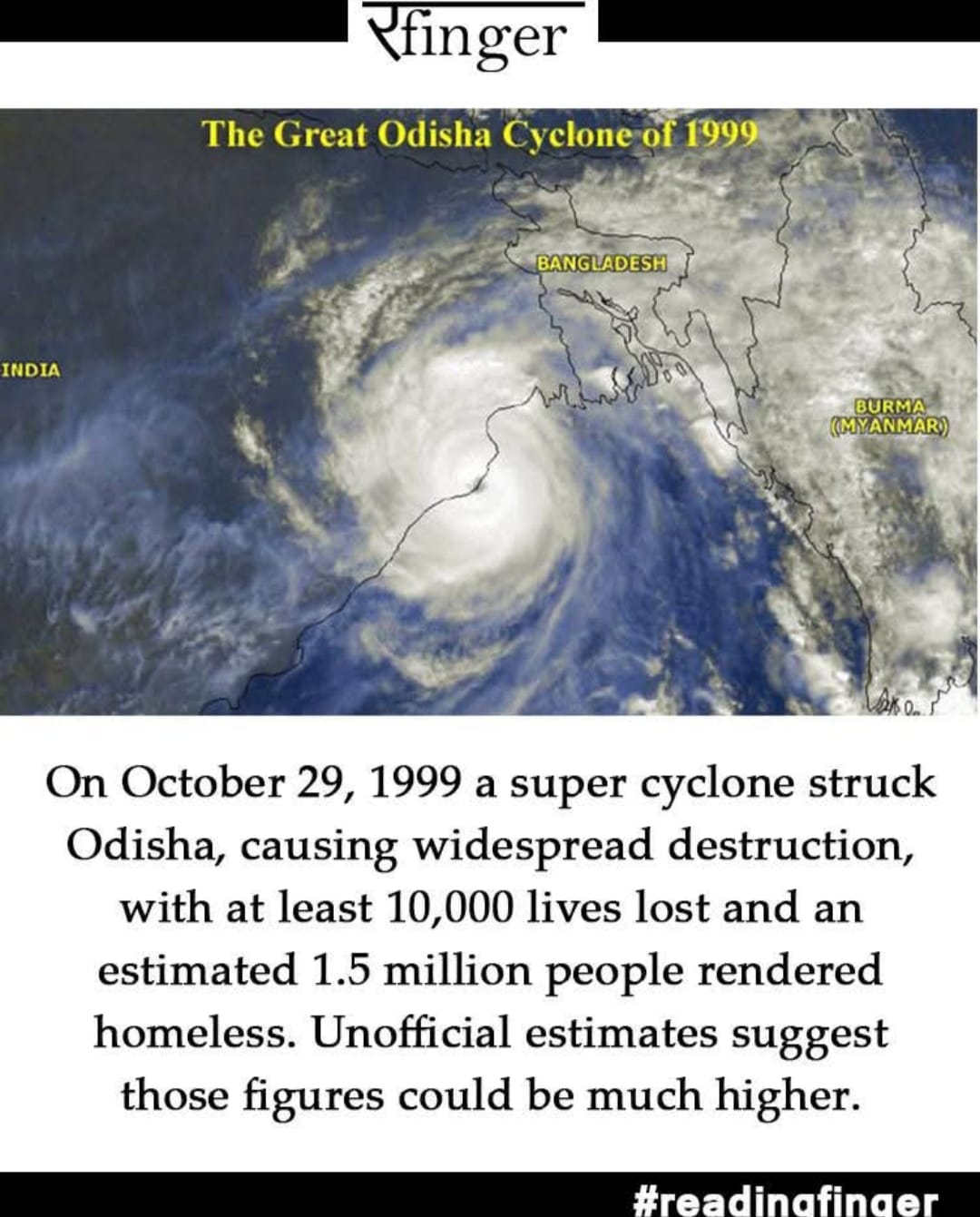
In his text 'Jai Birachit Chautisha', Mahapurush Achyutananda Das predicted the 1999 cyclone 600 years in advance.
Odia Sloka:
ସମୁଦ୍ର ଉଠି ଆସିବ ବତାସ ବହିବ, ଶ୍ରୀ କଳ୍ପବଟ ମୋର ଭାଙ୍ଗି
ପକାଇବ।
ସତ୍ୟଭାବ ହେ, ସାଲ ଅନେଶତ କର ଠାବ ହେ।
Transliteration:
Samudra uṭhi āsiba batāsa bahiba, Shrī Kaḷpabaṭa mora bhāṅgi pakāiba.
Satyabhāba
he, sāla aneshata kara ṭhāba he.
On October 29, 1999, a Super
Cyclone hit Odisha with winds of 250 km/h. It caused massive destruction, claiming over 10,000
lives. True to the prophecy, a massive branch of the ancient Kalpavata tree inside the Puri
temple broke during this storm.
In the text 'Garuda Kalpa', Saint Achyutananda predicted that India would become free from British rule in 1947 using a numerical code.
Odia Sloka:
ବ୍ରହ୍ମ ଭକ୍ତି ବେଦ ବାରକୁ ଥୋଇ, ଏ ଠାରେ ବିଦେଶୀ ଯିବେ ପଳାଇ।
Transliteration:
Brahma bhakti beda bāraku thoi, e ṭhāre bideshī jibe paḷāi.
When placed together (1-9-4-7), it forms 1947. The prophecy states that in this year, the foreigners (British) would flee from this land.
In 'Jaiphula Malika', the Mahapurush foretold the social evils of the end of Kaliyuga:
Odia Sloka:
କନ୍ୟା ରତ୍ନକୁ ଗର୍ଭର, ନଷ୍ଟ କରିବ ଥରକୁ ଥର ଲୋ ଯାଇଫୁଲ,
ହୃଦୟେ ନ କରି
ପାପ ବିଚାର।
Transliteration:
Kanyā ratnaku garbhara, naṣṭa kariba tharaku thara lo jāiphula,
hṛudaye na kari
pāpa bichāra.
Mahapurush Hadidas, an incarnation of the Panchasakhas born in the 18th century, wrote in 'Agata Bhavishyat Chautisha':
Odia Sloka:
ଦୁଇ ବିଂଶ ଯେବେ ବର୍ଷ ବୋଲାଇବ, ବହୁ ବିତିପାତ ହେବ।
ଅଜଣା ବ୍ୟାଧିରେ ବହୁ
ନାଶ ଯିବେ, ହାହାକାର ପଡ଼ିଯିବ।
Transliteration:
Dui biṃsha jebe barsha bolāiba, bahu bitipāta heba.
Ajaṇā byādhire bahu nāsha jibe,
hāhākāra paḍijiba.

In the text 'Chakada Madana' and 'Mahagupta Padmakalpa', Saints Achyutananda and Arkhit Das predicted the construction of a massive dam in Odisha.
Odia Sloka:
ଛବିଶ ଠାବରେ ହୀରାକୁଦ ଉଛୁଳିବ, ଏ ଓଡ଼ିଶା ଅର୍ଦ୍ଧଭାଗ ଜଳମଗ୍ନ
ହେବ।
ଧନଜନ ନଷ୍ଟ ହେବ କହିଲି ବୁଝାଇ, ଦୀନ ଅଚ୍ୟୁତ କହଇ ବେଶୀ ବେଳ ନାହିଁ।
ହୀରାକୁଦ ବୋଲିଣଟି
ଗ୍ରାମ ନାମ ଥିବ, ବନ୍ଧବାଡ଼ ଭାଙ୍ଗି ସବୁ ଏକାକାର ହେବ।
ସେହି ବେଳେ ଗଙ୍ଗା ପୁଣି ଆସିବେଟି ମାଡ଼ି,
ବୈତରଣୀ, ବ୍ରାହ୍ମଣୀ ଯେ ଦେବେ ଘୋର ରଡ଼ି।
ଓଡ଼ିଶାରେ ବଡ଼ ବନ୍ଧ ତିଆରି ଯେ ଥିବ, ସେଇବେଳେ
ଶତ୍ରୁଦ୍ୱାରା ଭାଙ୍ଗିଣ ଯେ ଯିବ।
ଓଡ଼ିଶାରେ ଛଅ ଜିଲ୍ଲା ଜଳାର୍ଣ୍ଣବ ହୋଇ, ଯିବାପାଇଁ ବାଟ ନ ପାଇବେ
ପୁଣି କେହି।
ହୀରାକୁଦ ବୋଲି ଗ୍ରାମର ଯେ ନାମ ଥିବ, ବନ୍ଧବାଡ଼ ଭାଙ୍ଗି ସବୁ ଏକ ଯେ ହୋଇବ।
Transliteration:
Chabiṣha ṭhābare Hīrākuda uchuḷiba, e Oḍiśhā arddhabhāga jaḷamagna heba.
Dhanajana
naṣhṭa heba kahili bujhāi, dīna Achyuta kahai beśhī beḷa nāhiñ.
Hīrākuda boliṇaṭi
grāma nāma thiba, bandhabāḍa bhāṅgi sabu ekākāra heba.
Sehi beḷe Gaṅgā puṇi āsibeṭi
māḍi, Baitaraṇī, Brāhmaṇī je debe ghora raḍi.
Oḍiśhāre baḍa bandha tiāri je thiba,
seibeḷe śhatrudwārā bhāṅgiṇa je jiba.
Oḍiśhāre chha-a jillā jaḷārṇnaba hoi,
jibāpāiñ bāṭa na pāibe puṇi kehi.
Hīrākuda boli grāmara je nāma thiba, bandhabāḍa
bhāṅgi sabu eka je hoiba.
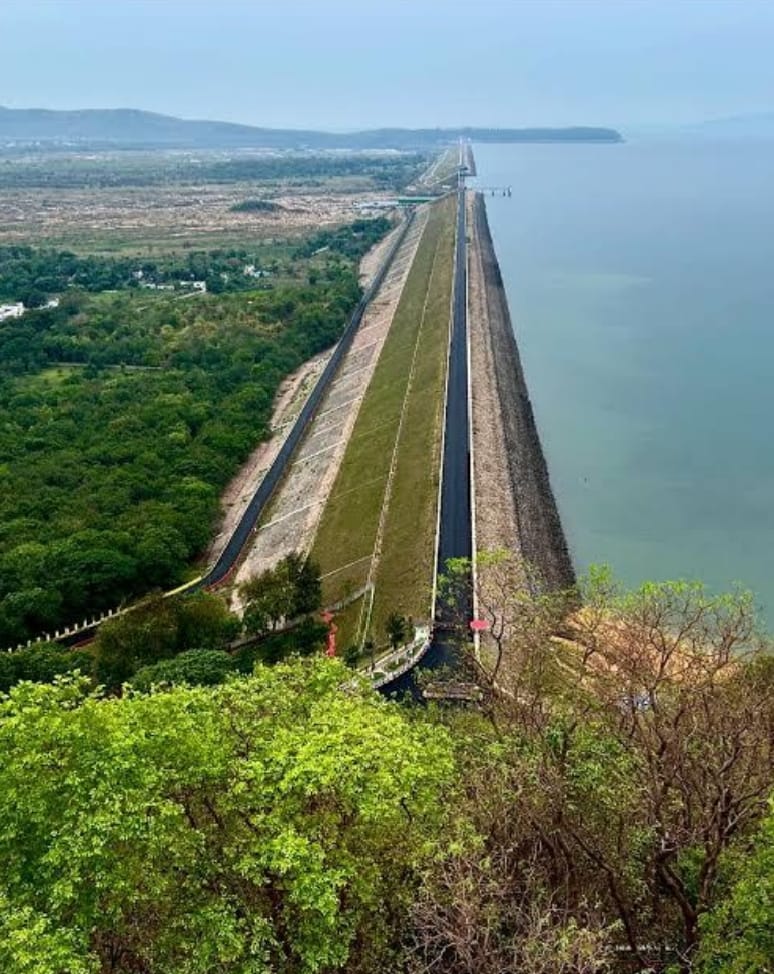
As is known, in the year 1948 in the Odisha state of India, the construction work of a dam named Hirakud started, which was completed in the year 1953. In the month of January of the year 1957, by the then Prime Minister Pandit Jawaharlal Nehru, the formal inauguration of this dam was done. With a total length of 26 km, built over the Mahanadi river in the Sambalpur district of Odisha, this dam today is the world's longest man-made dam. In this way, the accuracy of the first part of this prophecy was proved.
Soon the world will see the second part of the said prophecy also becoming true when, at the time of the India-China war, by the missile attack of China, this dam will break and the Odisha state will suffer a terrible water deluge.
Mahapurush Achyutananda Das and others mentioned the creation and name of Pakistan 600 years ago in texts like 'Gupta Kheda Malika' and 'Bhavishyat Malika'. Similarly, 18th-century saint Arkhit Das mentioned it in 'Mahagupta Padmakalpa'.
Odia Sloka:
ପାକିସ୍ତାନର ଦଶା ଯାହା ହେବ ସହସା, ମନ କର୍ଣ୍ଣ ଦଇ ଥରେ ଶୁଣ ସେ
ଭାଷା।
ଏହି ଭାରତ ସଙ୍ଗେ ପାକିସ୍ତାନଟି ରଙ୍ଗେ, ମହାସମର କରିବ ଜାଣିଥା ବେଗେ।
ପ୍ରାଚ୍ୟ
ପାଶ୍ଚାତ୍ୟ ଗଣ ଏହିପରି ମିଳିଣ, ପାକିସ୍ତାନ ଲାଗି ସର୍ବେ କରିବେ ରଣ।
ପାକିସ୍ତାନ ରାଜ୍ୟଗୋଟି
ଛାରଖାର ହେବ, ଚାରିଆଡ଼େ ହାହାକାର ଶୁଭୁଣ ଯେ ଥିବ।
ଚୀନ ପାକିସ୍ତାନ ପୁଣି ଆମେରିକା ଜାଣ, ଋଷିଆ
ଭାରତ ପୁଣି ଜର୍ମାନ ଜାପାନ।
ପାକିସ୍ତାନ ରାଜ୍ୟ ଗୋଟା ଛାରଖାର ହେବ, ପଛ ବେଳକୁ ତ ପୁଣି ବୁଦ୍ଧି ଯେ
ସ୍ଫୁରିବ।
Transliteration:
Pākistānara dashā jāhā heba sahasā, mana karṇṇa dei thare shuṇa se bhāṣā.
Ehi
Bhārata saṅge Pākistānaṭi raṅge, mahāsamara kariba jāṇithā bege.
Prāchya pāshchātya
gaṇa ehipari miḷiṇa, Pākistāna lāgi sarbe karibe raṇa.
Pākistāna rājyagoṭi
chhārakhāra heba, chāriāḍe hāhākāra shubhuṇa je thiba.
Chīna Pākistāna puṇi Āmerikā
jāṇa, Ruṣiā Bhārata puṇi Jarmana Jāpāna.
Pākistāna rājya goṭā chhārakhāra heba,
pachha beḷaku ta puṇi buddhi je sphuriba.
It is worth noting that the word 'Pakistan' was only coined in 1933, yet these saints named it centuries earlier.
Modern Bhubaneswar's foundation was laid in 1948 by PM Nehru. However, its mention as the capital appears in Malika texts like 'Chakada Madana' and 'Kali Agata Bhabishyant'.
Odia Sloka:
ଭୈରବୀ ଡାକିବ ଭୁବନେଶ୍ୱର, ଚୈତ୍ର ମାସ ଯେ ମଙ୍ଗଳବାର।
ପୃଥିବୀରେ ଗୋଳ
ଯୁଦ୍ଧ ଆରମ୍ଭିବ ଯେବେ, ଭୁବନେଶ୍ୱରକୁ ସୈନ୍ୟ ମାଡ଼ି ଯେ ଆସିବେ।
ଭୁବନେଶ୍ୱରରେ ଲାଗିବ ଗୋଳ, ଏକାମ୍ର
ବନ ଯେ ଅଛି ସେଠାର।
ଭୁବନେଶ୍ୱର ତ ପୁଣି ରାଜଧାନୀ ଜାଣ, ବିଦେଶୀ ଶତ୍ରୁଙ୍କ ଦୃଷ୍ଟି ପଡ଼ିବଟି
ପୁଣ।
ଭୈରବ ଡାକ ହେବ ଜାଣ, ଭୁବନେଶ୍ୱରଟି ପ୍ରମାଣ।
Transliteration:
Bhairabī ḍākiba Bhubaneshwar, Chaitra māsa je Maṅgaḷabāra.
Pṛuthibīre goḷa yuddha
ārambhiba jebe, Bhubaneshwaraku sainya māḍi je āsibe.
Bhubaneshwarare lāgiba goḷa,
Ekāmra bana je achhi seṭhāra.
Bhubaneshwar ta puṇi rājadhānī jāṇa, bideshī
shatruṅka dṛuṣṭi paḍibaṭi puṇa.
Bhairaba ḍāka heba jāṇa, Bhubaneshwarati pramāṇa.
Mahapurush Achyutananda Das, in his Malika texts written nearly 600 years ago, foretold the birth of a "Yugapurusha" (Man of the Epoch) who would perform many divine pastimes and whose fame would spread across the globe.
Odia Sloka:
ଲୀଳାମାନ ହେବ କୀର୍ତ୍ତି ରହି ଯିବ, ଅନୁକୂଳ ନାମ ଧରି।
ଦେଶ ବିଦେଶରୁ
ଭକ୍ତ ଆସିବେ, ସତସଙ୍ଗ ଆଶ୍ରା କରି।
ସତନାମ ଗୋଟି ଉଚ୍ଚାରି ବୋଲିବେ, ଭକ୍ତଙ୍କ ହେବ
ମେଳ।
ଶୂନ୍ୟ ମାର୍ଗେ ରହି ଅଚ୍ୟୁତ ଦେଖିବ, ଯୁଗପୁରୁଷଙ୍କ ଖେଳ।
Transliteration:
Līḷāmāna heba kīrtti rahi jiba, Anukūḷa nāma dhari.
Desha bidesharu bhakata āsibe,
sat-saṅga āshrā kari.
Satanāma goṭi uchchāri bolibe, bhaktaṅka heba
meḷa.
Shūnya mārge rahi Achyuta dekhiba, Yugapuruṣaṅka kheḷa.
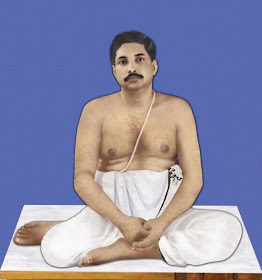
Fulfilling this prophecy, Anukulchandra Chakravarty was born on September 14, 1888, in the Pabna district of undivided Bengal (now Bangladesh). Known globally as Shri Shri Thakur Anukulchandra, he established the 'Satsang Ashram' in Deoghar, Jharkhand, in 1946. Millions of followers worldwide joined his mission, often addressing him as 'Yuga Purushottam.'
While the atomic bomb was developed in the mid-20th century, Mahapurush Achyutananda Das (in 'Gupta Kheda Malika' and 'Bhavishyat Malika') and Balarama Das (in 'Kali Tandaba Gita') mentioned it centuries ago.
Odia Sloka:
ପରମାଣୁ ଯେ ବୋମା କରିଦେବେଟି ଜମା, ପୋଡ଼ିଜାଳି ଦେବା ପାଇଁ ଭାରତ
ସୀମା।
ପରମାଣୁ ଯେ ବୋମା ଯାହା ଲାଗି ଗାରିମା, ଦେଖାଇ ହୁଅନ୍ତି ଆଜି ପାଶ୍ଚାତ୍ୟ ସେନା।
ତାହା
ଫୁଟିବ ନାହିଁ କେଣେ ଯିବ ମିଳାଇ, ଏହା ଦେଖି ବିଦେଶୀଏ ଯିବେ ପଳାଇ।
ଅଗ୍ନିର ଦାହିକା ଶକ୍ତି ଲୋ ବଉଳ
ପ୍ରଭୁ କରିବେ ହରଣ, ପରମାଣୁ ବୋମା ଯାହାଲାଗି ଗାରିମା ଶୀତଳ ହୋଇବ ଜାଣ।
Transliteration:
Paramāṇu je bomā karidebeṭi jamā, poḍijāḷi debā pāiñ Bhārata sīmā.
Paramāṇu je bomā
jāhā lāgi gārimā, dekhāi huanti āji pāshchātya senā.
Tāhā phuṭiba nāhiñ keṇe jiba
miḷāi, ehā dekhi bideshīe jibe paḷāi.
Agnira dāhikā shakti lo bauḷa Prabhu karibe
haraṇa, paramāṇu bomā jāhā lāgi gārimā shītaḷa hoiba jāṇa.
Born in 1850, the great saint Bhima Bhoi (follower of the Panchasakhas tradition) gave details about leaders of the Indian independence movement in his text 'Padmakalpa'.
Odia Sloka:
ମଦନମାଲବ୍ୟ ନାମ ବୋଲିକରି ଏକ ଭକ୍ତ ଥିବ ଜନ୍ମି,
ଗାନ୍ଧୀ ସହିତରେ ଅହିଂସା
ଧର୍ମରେ ନିରନ୍ତରେ ଥିବେ ପୁଣି।
ଚୁଡ଼ଙ୍ଗ ବଂଶରେ ଉତପତ୍ତି ହୋଇ ମୋତିଲାଲ ଯେ
ନେହେରୁ,
ମହାପ୍ରତାପୀ ଅଟଇ ସେହୁ ଭକ୍ତ ଆସିଛନ୍ତି ଶୂନ୍ୟପୁରୁ।
Transliteration:
Madanamālabya nāma bolikari eka bhakta thiba janmi,
Gāndhī sahitare ahinsā dharmare
nirantare thibe puṇi.
Chuḍaṅga baṃshare utpatti hoi Motilāl je
Neheru,
mahāpratāpī aṭai sehu bhakta āsichanti Shūnyapuru.
In 'Jaiphula Malika', Mahapurush Achyutananda Das foretold the death of the Mahatma.
Odia Sloka:
ମୋହନ ଗାନ୍ଧୀ ମରଣ, ନାଥୁରାମ ହସ୍ତେ ହୋଇବ ଜାଣ ଲୋ ଯାଇଫୁଲ,
ଏ କଥା
ସିଦ୍ଧ ଫଳ ରେ ନିପୁଣ।
Transliteration:
Mohana Gāndhī maraṇa, Nāthurāma haste hoiba jāṇa lo jāiphula,
e kathā siddha phaḷa
re nipuṇa.
In 'Kali Bhagabata', Mahapurush Abhiram Paramahansa (a 20th-century saint in the Malika tradition) described the political shift.
Odia Sloka:
ସତ୍ୟାଗ୍ରହୀ ହୋଇଲେ ମେଳି ।
ଅନ୍ତର ହୋଇଯିବ କଳି ।।
ଇଉରୋପିଆନ
ଯିବେ ଛାଡ଼ି ।
ମୋହନ ସେନା ଦେବେ କାଢ଼ି ।।
ପ୍ରଥମ ଯୁଦ୍ଧେ ସେନାପତି ।
ହେବେ ମୋହନ
ସୈନ୍ୟ ଘେତି ।।
ମୋହନ ବୋଲି ଯାଙ୍କୁ କହି ।
ମହତ ଆତ୍ମା ଅଟେ ସେହି ।।
ସେହି ନାରଦ
ମହାମୁନ୍ୟ ।
ତାଙ୍କୁ କରନ୍ତି ସର୍ବେ ମାନ୍ୟ ।।
Transliteration:
Satyāgrahī hoile meḷi,
antara hoijiba kaḷi.
Iuropiāna jibe chhāḍi,
Mohana
senā debe kāḍhi.
Prathama yuddhe senāpati,
hebe Mohana sainya
gheti.
Mohana boli jāṅku kahi,
mahata ātmā aṭe sehi.
Sehi Nārada
mahāmunya,
tāṅku karanti sarbe mānya.
According to Sanatan scriptures, the total age of Kaliyuga is 432,000 years. The Bhavishya Malika also confirms this total duration, but it adds a crucial prophecy: due to the excessive sins of humanity, Kaliyuga will not complete its full term.
Mahapurush Achyutananda Das writes in 'Adi Samhita':
Odia Sloka:
କଳିରେ ଚାରି ଲକ୍ଷ ଯାଏ, ବତିଶ ସହସ୍ର ନିର୍ଣ୍ଣୟ।
Transliteration:
Kaḷire chāri lakṣa jāe, batiśa sahasra nirṇaya.
Then Mahapurush Achyutananda Das wrote in his text, 'Dashapatala Malika':
Odia Sloka:
କଳିଯୁଗ ଭୋଗ ପ୍ରମାଣ ସାର,
ଚାରିଲକ୍ଷ ଯେ ବତିଶ ହଜାର।
Transliteration:
Kaliyuga bhoga pramāṇa sāra,
chārilakṣha je batisha hajāra.
He writes in his Malika text, 'Parardha Jataka':
Odia Sloka:
ଚାରିଲକ୍ଷ ବତିଶି ସହସ୍ର କଳି,
କରିଲି ତିନି ଯୁଗଠାରୁ ବଳି।
Transliteration:
Chārilakṣha batishi sahasra kali,
karili tini yugaṭhāru bali.
However, the Mahapurushas did not stop after saying just this; they also stated in their Malika texts that due to the various sins committed by humans, Kali Yuga will not be able to complete its full duration.
The Panchasakhas clarify that while the theoretical age is 432,000 years, the "Bhoga" (actual experienced duration) will be much shorter due to the weight of sins. In 'Dashapatala Malika', it is written:
Odia Sloka:
ଚାରି ଲକ୍ଷ ଯେ ବତିଶ ସହସ୍ର, ଭୋଗ ନୋହିବ କହ ପୀତବାସ।
Transliteration:
Chāri lakṣa je batiśa sahasra, bhoga nohiba kaha Pītabāsa.
The Mahapurush writes in his Malika text, 'Kalikalpa Gita':
Odia Sloka:
ଚାରି ଲକ୍ଷ ବତିଶ ସସ୍ର ବର୍ଷ ଆଉ,
ଭୋଗ ନହେବ ପାପଭାରା ଯହୁଁ।
ଆପଣେ
ପ୍ରଭୁ ହୋଇବେ ଉଦିତ,
ପାପୀମାନଙ୍କୁ କରିବେ ମୁକତ।
Transliteration:
Chāri lakṣha batisha sasra barṣha āu,
bhoga naheba pāpabhārā jahuṃ.
Āpaṇe
prabhu hoibe udita,
pāpīmānaṃku karibe mukata.
Mahapurush Achyutananda Das writes again in one of his Malika texts:
Odia Sloka:
କଳି ଚାରି ଲକ୍ଷ ବତିଶ ସସ୍ର ନୋହିବ ଭୋଗ,
ପାପ ଯୋଗୁଁ କ୍ଷୟ ହୋଇବ ଅଳ୍ପ
ପଡ଼ିବ ଭାଗ।
Transliteration:
Kali chāri lakṣha batisha sasra nohiba bhoga,
pāpa joguṃ kṣhaya hoiba alpa paḍiba
bhāga.
Nowadays, some people are engaged in propagating, citing the Malika, that the experienced lifespan of Kali Yuga is 10,000 years. Let it be known that this is completely wrong.
Mahapurush Achyutananda Das wrote in his Malika text, 'Shibakalpa Nabakhanda Nirghanta':
Odia Sloka:
ଦଶ ସହସ୍ରରେ କଳିନାଶ ହେବ ଏ ଅଟେ ବିଷମ ବାଣୀ।
Transliteration:
Dasha sahasrare kalināsha heba e aṭe biṣhama bāṇī.
The Panchasakha Mahapurushas have written in numerous places in their Malika texts that the experienced lifespan of Kali Yuga will be 5,000 years, after which Lord Kalki will incarnate and Satya-Kali or Ananta Yuga or Adya Satya Yuga will arrive.
Come, let us gain more information on this subject one by one through the slokas of the Malika.
First of all, let us know what Lord Shri Krishna Himself said regarding the lifespan of Kali Yuga.
Contrary to the misinformation spread by some that Kaliyuga lasts 10,000 years, the Malika texts repeatedly state that the actual reign of Kali concludes after 5,000 years, followed by a transition period.
Mahapurush Achyutananda Das quotes Lord Krishna's words to Garuda in 'Agata Bhavishya Prabandha Malika':
Odia Sloka:
କଳି ଚାରି ଲକ୍ଷ ବତିଶ ସହସ୍ର ନୋହିବ ଭୋଗ, ପାପ ଯୋଗୁ କ୍ଷୟ ହୋଇବ ଅଳ୍ପ ପଡ଼ିବ
ଭାଗ।
ପାଞ୍ଚ ସହସ୍ର ଯେ ପଚାଶ ଭୋଗ ହେବ ନିକର, ଏଥୁ କିଛି ଉଣା ହୋଇବ ଶୁଣ ଗରୁଡ଼ ବୀର।
Transliteration:
Kaḷi chāri lakṣa batiśa sahasra nohiba bhoga, pāpa jogu kṣaya hoiba alpa paḍiba
bhāga.
Pāñcha sahasra je pachāsha bhoga heba nikara, ethu kichi uṇā hoiba shuṇa
Garuḍa bīra.
Odia Sloka:
ରାମଦାସ ବୋଲଇ ହୋ ଶୁଣ ଗୁରୁଦେବ, କଳିଯୁଗ କେତେ ପୁଣ ଭୋଗ ଯେ
ହୋଇବ।
ଚାରିଲକ୍ଷ ବତିଶ ଯେ ସହସ୍ର ବରଷ, କେମନ୍ତେ ଯେ ଯୁଗ ପୁଣ ହୋଇବଟି ଶେଷ।
ଏଡ଼େ ବଡ଼ ଯୁଗ
ପୁଣ ବିନାଶ ହୋଇବ, ସଂଶୟ ଫେଡ଼ିଣ ମୋତେ କହ ଗୁରୁଦେବ।
ରାମଦାସ ବାଣୀ ଶୁଣି ଅଚ୍ୟୁତ କହନ୍ତି, ତୋତେ
କହୁଅଛି ରାମ ଶୁଣ ଦେଇ ମତି।
ରାବଣ ଯେ ତ୍ରେତୟା ଯୁଗରେ ତପ କଲା, ଛପନ ଗଣ୍ଡା ଯୁଗକୁ ବର ସେ
ପାଇଲା।
ପାପେ ଗଲା ତାର ତିନି ଭାଗ ଯେ ବିନାଶ, ଏକଭାଗ ଭୋଗ କଲା ବିଶ୍ରବାର ଶିଷ୍ୟ।
ସ୍ୱର୍ଗେ
ପଶି ଅପସରୀ ମାନଙ୍କୁ ହରିଲା, ପର ଦ୍ରବ୍ୟ ହରି ଯେବେ ପାଦେ ଖଟାଇଲା।
ଆପେ ଜଗତମାତା ଯେ ଜନକ
ନନ୍ଦିନୀ, ତାଙ୍କୁ ହରି ନେଲା ଗର୍ବେ ମୂଢ଼ ବିଂଶପାଣି।
ସୁରାପାନ କଲା ସେ କ୍ଷତ୍ରିଙ୍କୁ ବଧିଲା,
ବ୍ରହ୍ମହତ୍ୟା ଆଦିକରି କେତେ ପାପ କଲା।
ପାପରୁ ଯେ ତିନି ଭାଗ ହୋଇଲା ବିନାଶ, ଏକ ଭାଗ ଭୋଗ କଲା
ବିଶ୍ରବାର ଶିଷ୍ୟ।
ସେହିପରି କଳିଯୁଗ ବିନାଶ ହୋଇବ, ପାଞ୍ଚସସ୍ର ଭୋଗ ହେବ ଅନ୍ୟ ପାପେ ଯିବ।
Transliteration:
Rāmadāsa bolai ho shuṇa gurudeba, kaliyuga kete puṇa bhoga je hoiba.
Chārilakṣha
batisha je sahasra baraṣha, kemaṃte je yuga puṇa hoibaṭi sheṣha.
Eḍe baḍa yuga puṇa
bināsha hoiba, saṃshaya pheriṇa mote kaha gurudeba.
Rāmadāsa bāṇī shuṇi Achyuta
kahaṃti, tote kahuachi Rāma shuṇa dei mati.
Rābaṇa je tretayā yugare tapa kalā,
chapana gaṇḍā yugaku bara se pāilā.
Pāpe galā tāra tini bhāga je vināsha, ekabhāga
bhoga kalā Bishrabāra shiṣhya.
Swarge pashi apasarī mānaṃku harilā, para drabya
hari jebe pāde khaṭāilā.
Āpe jagatamātā je Janaka naṃdinī, tāṃku hari nelā garve
mūḍha biṃshapāṇi.
Surāpāna kalā se kṣhatriṃṃku badhilā, brahmahatyā ādi kari kete
pāpa kalā.
Pāparu je tini bhāga hoilā bināsha, eka bhāga bhoga kalā bishrabāra
shiṣhya.
Sehipari kaliyuga bināsha hoiba, pāṃchasasra bhoga heba anya pāpe jiba.
In 'Kalpatika', Achyutananda Das explains this phenomenon using the example of Ravana. Ravana had performed great penance and earned a lifespan of "56 Ganda" (a massive cosmic duration). However, because he kidnapped Mother Sita, insulted heavenly nymphs, and committed heinous sins like Brahman-hatya, he only enjoyed one part of his boon, while the other three parts were destroyed by his sins.
Similarly, Kaliyuga's duration of 432,000 years is being "consumed" by the rapid increase in global sin, leading to its early conclusion after 5,000 years of experienced time, paving the way for the Ananta Yuga or Satya Yuga.
Mahapurush Achyutananda Das wrote in one of his Malika texts:
Odia Sloka:
ଚାରି ଲକ୍ଷ ଯେ ବତିଶ ସହସ୍ର,
କଳିଯୁଗର ଅଟଇ ଆୟୁଷ।
ପାପଭାରରେ ଆୟୁ
କଟିଯିବ,
ପାଞ୍ଚ ସହସ୍ର କଳି ଭୋଗ ହୋଇବ।
Transliteration:
Chāri lakṣa je batiśa sahasra,
Kaḷiyugara aṭai āyuṣa.
Pāpabhārare āyu
kaṭijiba,
Pāñcha sahasra Kaḷi bhoga hoiba.
An incarnation of Mahapurush Achyutananda Das, born in the 18th century in the Jajpur district of Odisha, Mahapurush Hadi Das discussed the age of Kaliyuga in his Malika text named ‘Kali Chautisha’. He wrote:
Odia Sloka:
ସଂବତ୍ସର ପାଞ୍ଚ ସହସ୍ର କଳି ହୋଇବ ଶେଷ,
ସତ୍ୟ ଯୁଗ ଆଦ୍ୟ ହୋଇବ ଶୁଭଯୋଗେ
ପ୍ରବେଶ।
Transliteration:
Saṃbatsara pāñcha sahasra Kaḷi hoiba sheṣa,
Satya yuga ādya hoiba shubhajoge
prabesha.
Mahapurush Achyutananda Das wrote in another Malika text:
Odia Sloka:
ପାଞ୍ଚ ଯେ ହଜାର ଥାରୁ ମହାଭୟ ହେବ,
ଦିଲ୍ଲୀ ସମ୍ରାଟକୁ ଆସି ବିପଦ
ପଡ଼ିବ।
ଗାନ୍ଧାର ସେନାଟି ଗୋଳ କରିବ ଅବଶ୍ୟ,
ପାଞ୍ଚ ହଜାର ପଚାଶ କଳିର ଆୟୁଷ।
Transliteration:
Pāñcha je hajāra thāru mahābhaya heba,
Dillī samrāṭaku āsi bipada
paḍiba.
Gāndhāra senāṭi goḷa kariba abashya,
Pāñcha hajāra pachāsha Kaḷira
āyuṣa.
Achyutananda Das ji also wrote a verse in his Malika text where he did not state the age of Kaliyuga directly as 5,000 or 5,050, but mentioned it indirectly through hints:
Odia Sloka:
ବିଂଶେ ମସିହା ହୋଇବ ଶେଷ,
ଅନନ୍ତ କରିବେ କଳି ବିନାଶ।
Transliteration:
Biṃshe masiha hoiba sheṣa,
Ananta karibe Kaḷi bināsha.
One of the Panchasakhas, Mahapurush Sishu Ananta Das, explained the age of Kaliyuga in detail in his Malika text ‘Aagata Bhavishya Malika’:
Odia Sloka:
ବାରଙ୍ଗ ବୋଲଇ ଶୁଣିମା ଗୋସାଇଁ କୁହ ଭବିଷ୍ୟ ବିଚାର,
କେତେବେଳେ କଳ୍କୀ
ସ୍ୱରୂପ ହୋଇବେ ଶୁଣଇଁ ମୁଖୁ ତୁମ୍ଭର।
ଶିଶୁ ବୋଲନ୍ତି ହେ ଶୁଣିମା ବାରଙ୍ଗ କଳଙ୍କି ସ୍ୱରୂପ
ତୁହି,
ଯୁଗଶନ୍ଧି ପାଞ୍ଚ ସହସ୍ର ବରଷ ଯେବେ ଯିବ ଭୋଗ ହୋଇ।
ଜେସେନେକେ ନିଶି ପାହିଲେ ପ୍ରଭାତ
ଯୁଗଶନ୍ଧି ଏହା ଜାଣ,
ଯେମନ୍ତ ସମୟେ କଳଙ୍କି ସ୍ୱରୂପ ହୋଇବେ ସେ ନାରାୟଣ।
ସମକ୍ଷର ବତା ଶୁଣି
ଆଣିକରି ପ୍ରମାଣ ଏହାକୁ କର,
ସବୁ ଏକଠାବେ ମିଶାଇ କରିଣ କରିବୁ ପାଞ୍ଚ ହଜାର।
ଏହି ସମୟକୁ ତଳେ
କରିଥିବୁ କହଇ ହୋ ବାବୁ ତୋତେ,
ଠିକ ରେ ଏ କଥା ଦେଖାଇ କହିଲୁ ରଖିଥିବୁ ହୃଦଗତେ।
Transliteration:
Bāraṅga bolai shuṇimā gosāiṃ kuha bhabiṣya bichāra,
ketebeḷe Kalkī swarūpa hoibe
shuṇaiṃ mukhu tumbhara.
Shishu bolanti he shuṇimā Bāraṅga Kaḷaṅki swarūpa
tuhi,
yugashandhi pāñcha sahasra baraṣa jebe jiba bhoga hoi.
Jeseneke nishi
pāhile prabhāta yugashandhi ehā jāṇa,
jemanta samaye Kaḷaṅki swarūpa hoibe se
Nārāyaṇa.
Samakṣara batā shuṇi āṇikari pramāṇa ehāku kara,
sabu ekaṭhābe
mishāi kariṇa karibu pāñcha hajāra.
Ehi samayaku taḷe karithibu kahai ho bābu
tote,
Ṭhika re e kathā dekhāi kahilu rakhithibu hṛudagate.
Upon hearing this, Mahapurush Sishu Ananta Das tells his supreme disciple Baranga that when the 'Yuga-Sandhi' (transition between ages) occurs, only then will the Lord take His Kalki incarnation. Clarifying further, he says that this Yuga-Sandhi will occur when Kaliyuga has been experienced for 5,000 years. Just as morning comes after a night, another age comes after one age. The middle part between two ages is called Yuga-Sandhi. And in this very Yuga-Sandhi, Narayana will assume His Kalki form. This Yuga-Sandhi will come after 5,000 years of Kaliyuga have passed.
Achyutananda ji, while stating the age of Kaliyuga in his Malika text ‘Kaliyuga Malika’, says:
Odia Sloka:
ଚହଟିବ ଲୀଳା ତୁ ଚାରିରେ ମିଶା ଏକ,
ଚଢ଼ା ତିନି ଶୂନ ତହିଁ ଯେତେ ହେଲା
ଠିକ।
ଚଳିଯିବ ଘୋର କଳି ଦଳି ଦେବେ ମିଳି,
ଚେତାଇ ଗୀତ ଛନ୍ଦଇ ଅଚ୍ୟୁତ ସେ ଭାଳି।
Transliteration:
chahaṭiba līḷā tu chārire mishā eka,
chaḍhā tini shūna tahiñ jete helā
ṭhika.
Chalijiba ghora Kaḷi daḷi debe miḷi,
chetāi gīta chhandai Achyuta se
bhāḷi.
In another Malika text ‘Bhavishya Chautisha’, he says to his disciple Ramachandra:
Odia Sloka:
ଠିକଣା ଅମରପୁର,
ଠାକୁର ତହିଁରୁ ହେବେ ବାହାର,
ରାମଚନ୍ଦ୍ର ହେ,
ଠାରି ପାଞ୍ଚ ସହସ୍ର ଧର।
Transliteration:
Ṭhikaṇā Amarapura,
Ṭhākura tahiñru hebe bāhāra, Rāmachandra he,
ṭhāri pāñcha
sahasra dhara.
Then, in his Malika text ‘Kali Bayalisha’, Mahapurush Achyutananda Das tells about the age of Kaliyuga in signs. Mahapurush says:
Odia Sloka:
ଦଶରଥ ସୁତ ମୁଣ୍ଡରେ ତିନି ଅଙ୍କ ଚଢ଼ିବ,
ବଜ୍ର ଅଙ୍କ ଦେଇ ଏଗାର ଅଙ୍କ
ତହୁଁ ଫେରିବ।
ଶେଷ ଡାହାଣ ଭାଗ ଯାହା ହେଲା ଗାଣ୍ଡିବ ଗୁଣ,
କଳି ଶେଷ ଭୋଗ ଏହିଟି କହିଲି
ଅରଜୁନ।
Transliteration:
Dasharatha suta muṇḍare tini aṅka chaḍhiba,
bajra aṅka dei egāra aṅka tahuṃ
pheriba.
Sheṣa ḍāhāṇa bhāga jāhā helā gāṇḍiba guṇa,
kaḷi sheṣa bhoga ehiṭi
kahili Arajuna.
Achyutananda Das ji writes in his Malika text ‘Adi Sanhita’:
Odia Sloka:
ଏ ଯେ ସୁବାହୁ ଯୁଗ କଳି,
କ୍ଷୀଣ ଆୟୁଷ ମହାବଳି।
ପାପେ ସକଳ କ୍ଷୟ
ଯିବ,
ପାଞ୍ଚ ସହସ୍ର ଭୋଗ ହେବ।
Transliteration:
E
je subāhu yuga kaḷi,
kṣīṇa āyuṣa mahābaḷi.
pāpe sakaḷa kṣaya jiba,
pāñcha
sahasra bhoga heba.
Mahapurush Achyutananda Das writes in his Malika text ‘Kali Kalpa Gita’:
Odia Sloka:
କଳି ପାଞ୍ଚସହସ୍ର ବରଷ ଭୋଗ ହେବ,
ସେହି ଦିନୁ ସତ୍ୟକଳି ପ୍ରକାଶ ପାଇବ।
Transliteration:
Kaḷi pāñchasahasra baraṣa bhoga heba,
sehi dinu Satyakali prakāsha pāiba.
Mahapurush Achyutananda Das writes in his Malika text ‘Chakada Madana’:
Odia Sloka:
କଳି ପାଞ୍ଚ ହଜାରରେ ଗଙ୍ଗାଦେବୀ ମେଳ କଟକ ଠାରେ,
ଭକ୍ତ ଦେଖିବେ ନେତ୍ରରେ।
Transliteration:
Kaḷi pāñchahajārare Gaṅgādebī meḷa Kaṭaka ṭhāre,
bhakta dekhibe netrare.
Mahapurush wrote in his Malika text ‘Kaliyuga Bhavishya Malika’:
Odia Sloka:
ପାଞ୍ଚ ସହସ୍ର କଳି ହଟେ ସତ୍ୟ ଉପୁଜିବ,
ମୋର ତଥ୍ୟମାନ ସେତେବେଳେଟି
ହୋଇବ।
ପୂର୍ବ ପଶ୍ଚିମ ଉତ୍ତର ଆବର ଦକ୍ଷିଣ,
ପ୍ରକାଶ ହେବେ କଳଙ୍କି ଅଚ୍ୟୁତ ବଚନ।
Transliteration:
Pāñcha sahasra Kaḷi hāte satya upujiba,
mora tathyamāna setebeḷeṭi
hoiba.
pūrba pashchima uttara ābara dakṣiṇa,
prakāsha hebe Kaḷaṅki Achyuta
bachana.
Saint Achyutananda Das writes once again in his Malika text ‘Kaliyuga Bhavishya Malika’:
Odia Sloka:
ଚାରି ଲକ୍ଷ ସପ୍ତ ବିଂଶ ସହସ୍ର,
କଳିଯୁଗ ଆୟୁଷ ହେବ ବିନାଶ।
ପାଞ୍ଚ
ସହସ୍ରଟି ଭୋଗ ହୋଇବ,
ସତ୍ୟଯୁଗ ପୁଣି ଉଦୟା ହେବ।
Transliteration:
Chāri lakṣa sapta biṃsha sahasra,
Kaḷiyuga āyuṣa heba bināsha.
pāñcha
sahasraṭi bhoga hoiba,
Satyayuga puṇi udayā heba.
Not only Mahapurush Achyutananda Das, but another of the Panchasakhas, Mahapurush Sishu Ananta Das, also discussed the age of Kaliyuga in his various Malika texts. While explaining to his disciple Baranga in his Malika text ‘Chumbaka Malika’, he wrote:
Odia Sloka:
ଏବେ ପାଞ୍ଚ ଠିକ କହିବା ଶୁଣ,
ବାରଙ୍ଗ ବିଚାର ଚିତ୍ତରେ ଘେନ।
ପାଞ୍ଚ
ସହସ୍ର ଯେତେବେଳେ ହେବ,
ସମ୍ପୂର୍ଣ୍ଣ ଲୀଳା ପ୍ରକାଶ ହୋଇବ।
Transliteration:
Ebe pāñcha ṭhika kahibā shuṇa,
Bāraṅga bichāra chittare ghena.
pāñcha sahasra
jetebeḷe heba,
sampūrṇa līḷā prakāsha hoiba.
Mahapurush Sishu Ananta Das wrote again in his Malika text ‘Chumbaka Malika’:
Odia Sloka:
କଳିଯୁଗ ପାଞ୍ଚ ସହସ୍ର ଗଲେ,
ବିଷ୍ଣୁ ଜନମ ଯେ ହୋଇବେ ଭଲେ।
Transliteration:
Kaḷiyuga pāñcha sahasra gale,
Viṣṇu janama je hoibe bhale.
Explaining that Kaliyuga will end after five thousand years have passed and the Lord's plays will occur, Mahapurush Balarama Das wrote in his Malika text ‘Bhavishyata Parardha’:
Odia Sloka:
ହସ୍ତିନା କଟକ ଯେବଣ ଭୂଇଁ,
ବର୍ତ୍ତମାନ ଦିଲ୍ଲୀ ସହର ସେହି।
ପୂର୍ବର
ଚରିତ କହିବା ଶୁଣ,
ଦେବାପି ଅଛନ୍ତି ତପସ୍ୟାରେଣ।
ଉତ୍ତର ଖଣ୍ଡେ ତପସ୍ୟା
କରନ୍ତି,
ତପସ୍ୟା ପୂର୍ଣ୍ଣ ହେ ହୋଇ ନାହାନ୍ତି।
ପଞ୍ଚ ସହସ୍ରେ ବରଷ ପୁଣ,
ତପସ୍ୟା
ତାଙ୍କର ହୋଇବ ପୂର୍ଣ୍ଣ।
ବାରୁଣା କୁଳେ ପ୍ରଭୁଙ୍କୁ ଭେଟିବେ,
ପ୍ରଭୁ ଶ୍ରୀହସ୍ତେ ସିରୀପା
ବାନ୍ଧିବେ।
ଶ୍ରୀପଦ୍ମ ହସ୍ତ ତା ମୁଣ୍ଡେ ଲଦିବେ,
ହସ୍ତିନା ରାଜ୍ୟ ନଗ୍ରରେ ସ୍ଥାପିବେ।
Transliteration:
Hastinā kaṭaka jebaṇa bhūiṃ,
bartamāna Dillī sahara sehi.
Pūrbara charita
kahibā shuṇa,
Debāpi achhanti tapasyāreṇa.
Uttara khaṇḍe tapasyā
karanti,
tapasyā pūrṇa he hoi nāhānti.
Pañcha sahasre baraṣa
puṇa,
tapasyā tāṅkara hoiba pūrṇa.
Bāruṇā kuḷe prabhuṅku bheṭibe,
Prabhu
shrīhaste sirīpā bāndhibe.
Shrīpadma hasta tā muṇḍe ladibe,
Hastinā rājya
nagrare sthāpibe.
Mahapurush Achyutananda Das writes in his Malika text ‘Kali Kalpa Gita’:
Odia Sloka:
ଦାରୁ ଚଢ଼ି ଦାରୁରୂପ ତେଜିକରି କଳ୍କୀ ରୂପ ହୋଇବ,
ନିଷ୍ଠା ବଚନ ମୋହର
ରାମଚନ୍ଦ୍ର କଳିରେ ନିଶ୍ଚେ ଘଟିବ।
ଆହୁରି କଥାଏ ଶୁଣ ରାମଦାସ କଳି ପାଞ୍ଚ ସହସ୍ରରେ।
Transliteration:
Dāru chaḍhi dārurūpa tejikari Kalkī rūpa hoiba,
niṣṭhā bachana mohara Rāmachandra
Kaḷire nishche ghaṭiba.
āhuri kathāe shuṇa Rāmadāsa Kaḷi pāñcha sahasrare.
From all the above verses, it is clear that the experienced age of Kaliyuga is only 5,000 years. It is neither 432,000 years nor 10,000 years.
But an important question arises here— As we know, 5,000 years of Kaliyuga have already passed and currently the 5,127th year is going on. According to this calculation, Kaliyuga should have ended by now and 'Adya Satya Yuga' should be running! But the influence of Kaliyuga is still visible all around. Sin and unrighteousness prevail everywhere. Why this contradiction?
The answer is as follows— First, 5,000 years is a general statement, not strictly precise. 5,000 years means approximately 5,000 years. This is the reason that in many places, 5,050 years is also written.
Second, according to the Malika, the duration of Kaliyuga has essentially ended and currently, the 'Sandhikala' (transitional period) of Kaliyuga and Satya Yuga is going on. According to the Malika, it is during this Sandhikala that the events of Lord Kalki's birth and the establishment of Dharma by Him—i.e., the destruction of the wicked and the salvation of the devotees—will take place. This is why sin and unrighteousness are at their peak despite the duration of Kaliyuga having ended. It should be known that when the establishment of Dharma is completed, the influence of Kaliyuga will completely end and Truth, Dharma, and Justice will be re-established.
Achyutananda Das has also written in his Malika texts about when this establishment of Dharma will take place under the leadership of Lord Kalki.
Mahapurush wrote in his text ‘Aagata Bhavishyat Malika’:
Odia Sloka:
ଠିକଣା ଅଚ୍ୟୁତ ବୋଲେ,
ଠ’ ତିନି ବାମେ ପାଞ୍ଚ ରଖିଲେ ରାମଚନ୍ଦ୍ର
ହେ,
ଠକିଯିବ ମୀନ ଶନି ଭଲେ।
Transliteration:
Ṭhikaṇā Achyuta bole,
ṭha’ tini bāme pāñcha rakhile Rāmachandra he,
ṭhakijiba
mīna shani bhale.
In astrology, Saturn (Shani) is considered the slowest moving planet, staying in one zodiac sign for approximately 2.5 years. There are a total of 12 zodiac signs in the zodiac cycle, and Saturn stays in each for about 2.5 years. This means Saturn takes approximately 12 × 2.5 = 30 years to transit through the entire zodiac cycle.
Suppose Saturn enters a zodiac sign today; it returns to that same sign after approximately 30 years after completing the full transit. Meena-Shani means the transit of Saturn in the zodiac sign of Pisces (Meena).
The last time Saturn transited through Pisces was in 1995. Since it takes about 30 years for Saturn to return to the same sign, 1995 + 30 = 2025. Therefore, in the year 2025, Saturn transits into Pisces once again. After 2025, the next transit will be 2025 + 30, which is 2054–2055.
The Panchasakha Mahapurushas clearly described in their Malika texts that the destruction of the wicked, protection of devotees, and the establishment of Dharma by Lord Kalki will primarily occur during the Meena-Shani period.
To understand this better, let us look at some verses mentioned in the Malika and their explanations.
Mahapurush Achyutananda Das writes in his Malika text ‘Prachi Kalpa’:
Odia Sloka:
ମହୀମଣ୍ଡଳରେ ଚମକ ପଡ଼ିବ,
ନ ଜାଣିବେ ହୀନ ଜନ।
ମ୍ଳେଚ୍ଛ ମାରୁଣୀରେ
ସଂହାର ହୋଇବ,
ମୀନ ଶନି ର ପ୍ରମାଣ।
Transliteration:
Mahīmaṇḍaḷare chamaka paḍiba,
na jāṇibe hīna jana.
Mlechcha māruṇīre saṃhāra
hoiba,
mīna shani ra pramāṇa.
Mahapurush Achyutananda Das writes in his Malika text ‘Chakada Madana’:
Odia Sloka:
ଯୋବରା କାଳିଆବୋଦା ପ୍ରମାଣ, ଗୁପ୍ତରେ ଲାଗିବ ସେ ମାୟା ରଣ।
ଥୋକେ ଯିବେ
କାମଚଣ୍ଡୀ ମୁଖରେ, ମ୍ଳେଚ୍ଛ ମାରୁଣୀ ଯେ ହେବ ଗୁପ୍ତରେ।
ତରକ ତେରୁଆ ଯେତେ ଭକତ, ଯୋବରା
କାଳିଆବୋଦାରେ ନାଶ।
ଛିନ୍ନମସ୍ତା ଦେବୀ ଖର୍ପର ପାତି, କାଠମାଳିଆଙ୍କୁ ଖାଇବ ବାଛି।
ଘୋର
ଅନ୍ଧକାର ସେବେଳେ ହେବ, ସବୁ ବୁଦ୍ଧି ଜ୍ଞାନ ହଜିଣ ଯିବ।
ଅନ୍ନ ନ ମିଳିବ ଶସ୍ୟ ନିଅଣ୍ଟି, ମୀନ
ଶନିଆସି ଦେବଟି ଘାଣ୍ଟି।
ଲକ୍ଷେ ଚୁଲି ସେହିଦିନ ଫିଟିବ, ହାଡ଼ିଆ କମାର ପରଣୁ ଥିବ।
ସେଦିନ ଯେ
ଗୁରୁବାରଟି ଜାଣ, କାଳିଆ ପରୀକ୍ଷା ଅଟେ ପ୍ରମାଣ।
Transliteration:
Jobarā Kāḷiābodā pramāṇa,
guptare lāgiba se māyā raṇa.
Thoke jibe Kāmachaṇḍī
mukhare, Mlechcha māruṇī je heba guptare.
Taraka teruā jete bhakata, Jobarā
Kāḷiābodāre nāsha.
Chhinnamastā debī kharpara pāti, kāṭhamāḷiāṅku khāiba
bāchi.
Ghora andhakāra sebeḷe heba, sabu buddhi jñāna hajiṇa jiba.
Anna na
miḷiba shasya niaṇṭi, mīna shaniāsi debaṭi ghāṇṭi.
Lakṣe chuli sehidina phiṭiba,
hāḍiā kamāra paraṇu thiba.
Sedina je gurubāraṭi jāṇa, Kāḷiā parīkṣā aṭe pramāṇa.
Mahapurush Achyutananda Das writes in his Malika text ‘Kalikalpa Gita’:
Odia Sloka:
ମୀନ ଶନି ହେବ ମୁକୁନ୍ଦ ଅଙ୍କ,
ଭାରତଶ୍ୱରୀ ହେବ ଉତପାତ।
ହେତୁ
ରଖିଥାଅ ବ୍ରଜକୁମର,
ସେକାଳେ ତେଜିବି ମୁଁ କଳେବର।
Transliteration:
Mīna shani heba Mukunda aṅka,
Bhāratashwarī heba utapāta.
Hetu rakhithāa
Brajakumara,
sekāḷe tejibi muñ kaḷebara.
In another Malika text, the Mahapurush wrote:
Odia Sloka:
ମୀନ ଶନିର ସଂଯୋଗ ହେବାର ସମୟ,
ପୃଥବୀରେ ହେବ ପୁଣି ଘୋର ଯେ ପ୍ରଳୟ।
Transliteration:
Mīna shanira saṃyoga hebāra samaya,
pṛthabīre heba puṇi ghora je pralaya.
Achyutananda Das ji writes in his Malika text ‘Chakada Madana’:
Odia Sloka:
ମୀନ ଶନି ଆସି ଦେଉଥିବ ଘାଣ୍ଟି ଭାରତ ଲଢ଼ୋଇ ହେବ,
ଦଶ ଅଣା ଯିବ ଛଅ ଅଣା
ରହିବ ମୋ ବଚନ ଅଟେ ଧୃବ।
ଅଢ଼ୋଇ ବରଷ ଘୋର ଉତ୍ପାତ ଛବିଶ ଅଙ୍କ କୁଅନା,
ଶ୍ମଶାନ ପରାୟ ଏ ସାରା
ସଂସାର ଉଚ୍ଛନ୍ନ ହୋଇବ ସିନା।
Transliteration:
Mīna shani āsi deuthiba ghāṇṭi Bhārata laḍhōi heba,
dasha aṇā jiba chha' aṇā rahiba
mo bachana aṭe dhruba.
aḍhāi baraṣa ghora utpāta chhabbisha aṅka
kuanā,
shmashāna parāya e sārā saṃsāra uchhanna hoiba sinā.
Mahapurush Achyutananda Das wrote in another Malika text ‘Bhabishyata Malika’:
Odia Sloka:
ସାବଧାନ ହୁଅ ତୁହି,
ଠା ଠିକଣା କିଛି ରହିବ ନାହିଁ।
ହେ ଭକ୍ତଗଣ!
ମୀନ ଶନି ଆସିଗଲେ ଧାଇଁ।
Transliteration:
Sābadhāna hua tuhi,
ṭhā ṭhikaṇā kichhi rahiba nāhiñ.
He bhaktagaṇa! Mīna shani
āsigale dhāiñ.
Born in the 19th century, the saint-poet Bhima Bhoi wrote on this subject in his Malika text ‘Padmakalpa’:
Odia Sloka:
ଶୁଖିବ ଜଳ ଅବିଳମ୍ବେ,
ମୀନ ଶନିର ମଧ୍ୟଭାଗେ।
ମୋଗଲ ପଠାଣର
ଧାଡ଼ି,
ମଧ୍ୟ ଓଡ଼ିଶା ଥିବ ମାଡ଼ି।
ସିଂହ ମଙ୍ଗଳ ଗ୍ରହ ଦୃଷ୍ଟି,
କିଛି ମେଦିନୀ ଯିବ
ଫାଟି।
ଗିରି କନ୍ଦର ଗୁମ୍ଫାମାନ,
ମୋ ଭକ୍ତେ ରହିବେଟି ପୁଣ।
ଆସିବେ
ଚଣ୍ଡୀକାଇଗଣ,
ଭକ୍ଷିବେ ନଗ୍ରରେ ପଶିଣ।
Transliteration:
Shukhiba jaḷa abiḷambe,
mīna shanira madhyabhāge.
Mogala paṭhāṇara
dhāḍi,
madhya Oḍishā thiba māḍi.
Siṃha maṅgaḷa graha dṛṣṭi,
kichhi medinī
jiba phāṭi.
Giri kandara gumphāmāna,
mo bhakte rahibeṭi puṇa.
Āsibe
chaṇḍīkāigaṇa,
bhakṣibe nagrare pashiṇa.
Devotee-poet Narada Das also mentioned the disturbances occurring during Meena-Shani Yoga in his Malika text. He wrote:
Odia Sloka:
ମନ ତର୍କିଥିବୁ ତେତିଶ ଅଙ୍କରେ,
ପ୍ରାଣୀଏ ନାଶ ଯିବ ରଙ୍କରେ।
ବତିଶ
ତେତିଶ ପୁଣି ଚଉତିରିଶ,
ମୀନ ଶନି ଭୋଗ ହେବ ଅଢ଼ାଇ ବରଷ।
ପୃଥବୀ ହେବ ଉଲ୍ଲୋଳ,
ଯୋଗିନୀ
ହେବେ ପ୍ରବଳ।
ପଡ଼ି ହାଡ଼ କଙ୍କାଳ,
ଗଡ଼ିବ ମୁଣ୍ଡ ମାଳ।
କମ୍ପିବ ଭୈରବ ଡାକରେ,
ମନ
ତର୍କିଥିବୁ ତେତିଶ ଅଙ୍କରେ।
Transliteration:
Mana tarkithibu tetisha aṅkare,
prāṇīe nāsha jiba raṅkare.
Batisha tetisha
puṇi chautirisha,
mīna shani bhoga heba aḍhāi baraṣa.
Pṛthabī heba
ulloḷa,
yoginī hebe prabaḷa.
Paḍi hāḍa kaṅkāḷa,
gaḍiba muṇḍa
māḷa.
Kampiba bhairaba ḍākare,
mana tarkithibu tetisha aṅkare.
Quoting the dialogue between Lord Krishna and Mother Rukmini during the Dvapara Yuga, Mahapurush Achyutananda Das writes in his Malika text ‘Rukmini Gita’:
Odia Sloka:
ମୀନ ଶନି ମେଳ ଗୋ ହୋଇବ ଯେତେବେଳେ,
ସେବେଳେ ସମର ହେବ ଭାରତ ମଣ୍ଡଳେ।
Transliteration:
Mīna shani meḷa go hoiba jetebeḷe,
sebeḷe samara heba Bhārata maṇḍaḷe.
Mahapurush Achyutananda Das wrote again:
Odia Sloka:
ମୀନ ଶନି ପଡ଼ିଲେଟି ଘୋର ଉତ୍ପାତ,
ମନେ ରଖିଥିବୁ ରାମ ତୁହି ବ୍ରଜସୁତ।
Transliteration:
Mīna shani paḍileṭi ghora utpāta,
mane rakhithibu Rāma tuhi Brajasuta.
Mahapurush Achyutananda Das wrote in the Malika text named ‘Chakada Madana’:
Odia Sloka:
ତେରଦିନ ପକ୍ଷ ହୋଇବ,
ମୀନ ଶନି ଯୋଗ ପଡ଼ିବ।
ଅଢ଼ାଇ ବରଷ
ରାଜନ,
ଦିବସରେ ତାରା ଗଗନ।
ଭକ୍ତଙ୍କୁ କଷଣ ପଡ଼ିବ,
ଚଉଦ୍ୱାରେ ଯୁଦ୍ଧ
ହୋଇବ।
ବୈଜ୍ଞାନିକ ଯନ୍ତ୍ର ଅଚଳ,
ନିକଟରେ ଗୋଳ ଚହଳ।
ତପ ସଙ୍ଗେ ତୋପ
ପରୀକ୍ଷା,
ସତ୍ୟ ଅନନ୍ତଟି ଦେଖା।
ଅନନ୍ତ ଯୁଗଟି ହୋଇବ,
ଅଚ୍ୟୁତୀ କାମନା ପୂରିବ।
Transliteration:
Teradina pakṣa hoiba,
mīna shani yoga paḍiba.
Aḍhāi baraṣa
rājana,
dibasare tārā gagana.
Bhaktaṅku kaṣaṇa paḍiba,
Chaudwāre yuddha
hoiba.
Baijñānika yantra achaḷa,
nikaṭare goḷa chahaḷa.
Tapa saṅge topa
parīkṣā,
satya Anantaṭi dekhā.
Ananta yugaṭi hoiba,
Achyutī kāmanā
pūriba.
He wrote again in his Malika text ‘Chakada Madana’:
Odia Sloka:
ଦିବସରେ ତାରା ଆକାଶୁ ଖସିବ ମୀନ ଶନିର ରାଜତ୍ୱ,
ବାଡ଼ି ବେମାରିରେ ଅନେକ
ମରିବେ କହେ ଦୀନ ଅଚ୍ୟୁତ।
Transliteration:
Dibasare tārā ākāśu khasiba mīna shanira rājatva,
bāḍi bemārire aneka maribe kahe
dīna Achyuta.
Mahapurush Achyutananda Das wrote in his Malika text ‘Chakada Madana’:
Odia Sloka:
ମୀନ ଶନି ଆସି କରିବ ରାଜତ୍ୱ ମାନବ ମାରୁଣୀ ହେବ,
ପରାଧୀନ ହେବ ଏ
ଭାରତବର୍ଷ ଶାସନ କଳ ଲାଗିବ।
ଅରାଜକ ହେବ ଏହି ଜମ୍ବୁଦ୍ବୀପ ଭକ୍ତ ହୋଇବେ ଛାନିଆଁ,
ଅନହୁତି
ଅଗ୍ନି ପ୍ରଜ୍ୱଳିତ ହେବ ଉଚ୍ଛନ୍ନ ସାରା ଦୁନିଆ।
ଛିନିଛତ୍ର ହେବ ଓଡିଶା ମଣ୍ଡଳ ଥୟ ନ ପଡ଼ିବେ
କେହି,
ଚକଡ଼ା ମଡ଼ାଣ ପ୍ରକାଶ କରିଣ ଦୀନ ଅଚ୍ୟୁତ କୁହଇ।
Transliteration:
Mīna shani āsi kariba rājatwa mānaba māruṇī heba,
parādhīna heba e Bhāratabarṣa
shāsana kaḷa lāgiba.
Arājaka heba ehi Jambudwīpa bhakta hoibe
chhāniāñ,
anahuti agni prajwaḷita heba uchhanna sārā duniā.
Chhinichhatra heba
Oḍishā maṇḍaḷa thaya na paḍibe kehi,
Chakaḍā maḍāṇa prakāsha kariṇa dīna Achyuta
kuhai.
Achyutananda ji writes in his Kalikalpa Gita’:
Odia Sloka:
ମୀନ ରାଶିକୁ ଶନିଶ୍ଚର ଗମନ ହେଲେ ଏମନ୍ତ ଭିଆଣ,
ଭାରା ନିବାରଣେ ପ୍ରଭୁ
ଦେବରାୟ ମର୍ତ୍ତ୍ୟେ ଉହ୍ଲେଇବେ ଜାଣ।
କଳ୍କୀ ରାମ ରୂପ ଧରି ହରି ଦେଶ ଭ୍ରମଣ
କରିବେ,
କ୍ଷତ୍ରୀମାନଙ୍କୁ ନିକ୍ଷତ୍ରୀ କରିଣ ବସୁଧାକୁ ଉଦ୍ଧାରିବେ।
Transliteration:
Mīna rāshiku Shanishchara gamana hele emanta bhiāṇa,
bhārā nibāraṇe prabhu debarāya
martye uhleibe jāṇa.
Kalkī Rāma rūpa dhari Hari desha bhramaṇa
karibe,
kṣatrīmānaṅku nikṣatrī kariṇa basudhāku uddhāribe.
Mahapurush writes in his Malika text ‘Chakada Madana’:
Odia Sloka:
ଭାରତ ଲଢ଼ାଇ ହେବ,
ଭାବ ବିନୋଦିଆ ମୂର୍ତ୍ତିଙ୍କୁ ଭାବ,
ଭାବରେ
ଅଚ୍ୟୁତୀ ଦାସ ଚୁମ୍ବିବ।
ବାଇଆ ଅଚ୍ୟୁତୀ ଗୀର,
ବାରହାତ ଖଣ୍ଡା ହେବ ବାହାର,
ବିରାଟ ଗାଦୀ
ସଂହାର।
ଭକତ ଅଚ୍ୟୁତୀ ଦାସ,
ଭୂମିକମ୍ପ ହୋଇ ପୃଥବୀ ଉଶ୍ୱାସ,
ଭକ୍ତ ରହିବେ
ବିଶେଷ।
ମାୟାରେ ବୁଲେ ଅଚ୍ୟୁତ,
ମନ୍ତ୍ର ଅଣାକାର ହୃଦରେ ଘୋଷ,
ମୀନ ଶନି ହେବ
ଦୃଶ୍ୟ।
ଯୋବରା ଘାଟର ଲୀଳା,
ଜଗିଛି ଅଚ୍ୟୁତ ନ କରି ହେଳା,
କଟିବ ପାପୀଙ୍କ ଗଳା।
Transliteration:
Bhārata laḍhāi heba,
bhāba binodiā mūrttiṅku bhāba,
bhābare Achyutī dāsa
chumbiba.
Bāiā Achyutī gīra,
bārahāta khaṇḍā heba bāhara,
birāṭa gādī
saṃhāra.
Bhakata Achyutī dāsa,
bhūmikampa hoi pṛthabī ushwāsa,
bhakta
rahibe bisheṣa.
Māyāre bule Achyuta,
mantra aṇākāra hṛdare ghoṣa,
mīna
shani heba dṛshya.
Jobarā ghāṭara līḷā,
jagichhi Achyuta na kari
heḷā,
kaṭiba pāpīṅka gaḷā.
Achyutananda Das ji writes in his Malika text ‘Tattvabodhini’:
Odia Sloka:
ମୀନ ରାଶିକି ଶନିଶ୍ଚର ଯିବ,
ଓଡ଼ିଶା ନଷ୍ଟ ଭ୍ରଷ୍ଟ କରିଦେବ।
Transliteration:
Mīna rāshiki Shanishchara jiba,
Oḍishā naṣṭa bhraṣṭa karideba.
Mahapurush Achyutananda Das writes again in his Malika text ‘Chakada Madana’:
Odia Sloka:
ମୀନ ଶନି ଯୋଗ ଦେଶକୁ ପଡ଼ିବ ତେର ଦିନ ପକ୍ଷ ହେବ,
ଗୁପତ ମାରୁଣୀ ସେଠାବରେ
ହେବ ରାମଚନ୍ଦ୍ର ମନେ ଭାବ।
Transliteration:
Mīna shani yoga deshaku paḍiba tera dina pakṣa heba,
gupata māruṇī seṭhābare heba
Rāmachandra mane bhāba.
Further in ‘Kalikalpa Gita’, he writes:
Odia Sloka:
ଚଳିଯିବ କଳି ଗୋଳ ଉପୁଜିବ ବାବୁ,
ମୀନ ଶନି ହୋଇଥିବ ଗୁପତ ରଖିବୁ।
Transliteration:
Chaḷi jiba kaḷi goḷa upujiba bābu,
mīna shani hoithiba gupata rakhibu.
Mahapurush Achyutananda Das writes again in his Malika text ‘Chakada Madana’:
Odia Sloka:
ଛାରଖାର ହେବ ଏ ସୁନା ସଂସାର ଭଇରବୀ ଦେବ ଡାକ,
ଅକାଳ ମରଣ ଗୁପତ ମାରୁଣୀ
ମୀନ ଶନିଯୋଗ ହେବ।
Transliteration:
Chārakhāra heba e sunā saṃsāra bhairabī deba ḍāka,
akāḷa maraṇa gupata māruṇī mīna
shaniyoga heba.
From the Malika verses given above, it is clear that during the period of Meena-Shani Yoga, Lord Kalki's acts of destruction will be most effective. During this period, the entire Earth will witness extensive and unprecedented catastrophic events. Only outcry, war, disturbances, upheaval, and natural disasters will be seen everywhere. During this time, the wicked and the unrighteous will be destroyed from the entire Earth.
After knowing from the above verses that the Kalki destruction-leelas will happen during the Meena-Shani period, the biggest question arises: in which specific Meena-Shani period will these events occur?
Meena-Shani Yoga occurs once every 30 years. Therefore, it is necessary to know which Meena-Shani, according to the Malika, will witness the events of the establishment of Dharma.
Upon close observation, we find that Saturn was in Pisces in 1995; currently, in 2025, Saturn has moved into Pisces again; then in 2054, and approximately 30 years after that, in 2084, the transit of Saturn in Pisces will occur again.
Which Meena-Shani?
It is clearly written in the Bhavishya Malika that when these events occur within the two and a half years of Meena-Shani, the name of the King of Puri, Odisha, at that time will be Divyasingha Deva.
Mahapurush Achyutananda Das wrote in his Malika text ‘Chandra Kalpa’:
Odia Sloka:
ଦିବ୍ୟସିଂହ ଥିବ ସେହି ବେଳର,
ପୃଥବୀ ହୋଇଯିବ ଘନ
ଅନ୍ଧାର।
ପଞ୍ଚଭୂତର ଏ ପ୍ରଳୟ ରାଶି,
ଭୂଭାରାକୁ ରାମ ଯିବ ରେ ଗ୍ରାସୀ।
ସେକାଳେ ମୀନେ
ଶନି ଥିବ ଚଲି,
ନାଶିବ କାଳ ହେବ ଜଳ ଖେଳି।
ଅଚ୍ୟୁତ କହଇ ଗୁରୁ ସ୍ମରିଣ,
ଚନ୍ଦ୍ର କଳ୍ପରେ
ମୁଁ କଲି ବଖାଣ।
Transliteration:
Dibyasiṃha thiba sehi beḷara,
pṛthabī hoijiba ghana andhāra.
pañchabhūtara e
pralaya rāśi,
bhūbhārāku rāma jiba re grāsī.
sekāḷe mīne śani thiba
chali,
nāśiba kāḷa heba jaḷa kheḷi.
Achyuta kahai guru smariṇa,
chandra
kalpare muñ kali bakhāṇa.
Now some points are worth noting here. The current King of Puri, Shri Divyasingha Deva (IV), is currently around 72 years old. In the next Meena-Shani—that is, 30 years from now—his age will be 100+ and there is an almost zero possibility that he will still be occupying the throne of Puri at that time!
Now some people, who state the time of the events as the next Meena-Shani (i.e., the year 2054–2057), suggest it could be that these events happen during the reign of some other king named Divyasingha! But let me tell you that this is not possible. The current King of Puri is the 19th King, and according to the Malika, the 19th King will be the final King of Kaliyuga. That is, according to the Malika, after the current King Shri Divyasingha Deva, there will be no more Kings of Puri.
The above discussion proves that all the catastrophic events will occur during the Meena-Shani Yoga between 2025–2028, during the reign of Shri Divyasingha Deva IV.
Mahapurush Achyutananda Das writes again in his Malika text ‘Chakada Madana’:
Odia Sloka:
ବହୁତ ଅନ୍ୟାୟ ପାପର ଭାରା,
ଦିବ୍ୟସିଂହ ଦେବ ହୋଇବେ ଧରା।
ବଡ଼
ଦେଉଳରେ ପାଣି ପଶିବ,
ସିଂହ ଦ୍ୱାରେ ରକ୍ତଧାର ବହିବ।
ଟିକରା ଗୋହିରୀ ହୋଇବ ରଡ଼ି,
ଧାନ
ଥିବ ଯିବ କଣ୍ଠା ଅଗାଡ଼ି।
ସେବେଳକୁ ଏକା ଅକ୍ଷର ସାର,
ସପତ ଦିନ ଯେ ହେବ ଅନ୍ଧାର।
ଗାଲୁଆ
ମାଲୁଆ ଭକତ ଛନ୍ତି,
ବଗୁଲିଆ କର୍ମେ ପେଟ ପୋଷନ୍ତି।
ଏମାନେ ଯେ ଦେବୀ ଖପରରେ
ଯିବେ,
ଭକତମାନେ ଆନନ୍ଦରେ ରହିବେ।
Transliteration:
Bahuta anyāya pāpara bhārā,
Dibyasiṃha deba hoibe dharā.
Baḍa deuḷare pāṇi
pashiba,
siṃhadvāre raktadhāra bahiba.
ṭikarā gohirī hoiba raḍi,
dhāna
thiba jiba kaṇṭhā agāḍi.
sebeḷaku ekā akṣara sāra,
sapata dina je heba
andhāra.
gāluā māluā bhakata chanti,
baguliā karme peṭa poṣanti.
emāne je
debī khaparare jibe,
bhaktamāne ānandare rahibe.
It is absolutely clear from the above verse that when the events of the establishment of Dharma occur, and when there is darkness for seven days and seven nights on Earth, the King of Puri at that time will be Shri Divyasingha Deva.
Another Mahapurush from Odisha born in the 20th century wrote in one of his texts that after the year 2033, the light of a new era (Satyayuga) will emerge; meaning, according to the Mahapurush, all the leelas of the transition of the eras will be completed before the year 2033. We will present the verses related to this before you in Chapter 12. The point is that all the catastrophic events will happen before 2033.
Mahapurush Bhima Bhoi (the blind devotee-poet born in Sambalpur, Odisha in the 19th century) wrote on this subject in his Malika text ‘Padma Kalpa’:
Odia Sloka:
ନିଶ୍ଚୟ କଳଙ୍କି ହୋଇବ, ଯେ ଦିନ ମୀନ ଶନି ଭୋଗ।
ପଞ୍ଚଗ୍ରହ ଯେ ଯୁକ୍ତ
ହେବେ, ଆଗାମୀ ଅଢ଼ାଇର ଯୋଗେ।
ତଦନ୍ତେ ଷଡ଼ ଗ୍ରହ ଆସି, ଶନି କୁମ୍ଭରୁ ଯିବେ ଖସି।
ପ୍ରବେଶ ମୀନ
ସଙ୍ଗତରେ, ଟାକିଥାଅ ହେ ସୁଜ୍ଞ ନରେ।
ହୋଇବ ଅସଂଖ୍ୟ ସମର, ଦମନ ହୋଇବ ବାହାର।
ବିଷ୍ଣୁ ନାଶିବ
ଅବହେଳେ, ଜଗତେ ରଖି ବାହୁବଳେ।
ମ୍ଳେଚ୍ଛଙ୍କୁ ଦମନ ନାଶିବ, ଦୁର୍ଗା ଖପର ପକାଇବ।
ଅସଂଖ୍ୟ କଳି
ସେ ଦମନ, ଶୁଣ ହେ ସାଧୁ ସୁଜ୍ଞଜନ।
Transliteration:
Nishchaya Kaḷaṅki hoiba, je dina mīna shani bhoga.
Pañchagraha je yukta hebe, āgāmī
aḍhāira joge.
Tadante ṣaḍa graha āsi, shani kumbharu jibe khasi.
Prabesha mīna
saṅgatare, ṭākithāa he sujña nare.
Hoiba asaṃkhya samara, damana hoiba
bāhāra.
Biṣṇu nāshiba abaheḷe, jagate rakhi bāhubaḷe.
Mlechchaṅku damana
nāshiba, Durgā khapara pakāiba.
Asaṃkhya kaḷi se damana, shuṇa he sādhu sujñajana.
In the above verse, the Mahapurush clearly stated in which Meena-Shani the Kalki destruction-leelas will occur. Explaining the identity of that Meena-Shani, he said that on the day Saturn enters Pisces, 5 planets will already be present in Pisces. That is, on that day, a total of 6 planets will be present in Pisces—5 planets already there and one Saturn, totaling 6 planets.
If we look at the Meena-Shani of 2025, we find that the Mahapurush's statement is turning out to be perfectly accurate. On 29 March 2025, the day Saturn transits into Pisces, five planets (Rahu, Venus, Mercury, Sun, and Moon) were already present in Pisces.
Now, if we look at the Meena-Shani of 2054, we find that on 14 May 2054, the day Saturn transits into Pisces, only 2 planets (Venus and Mars) will be present in Pisces beforehand, and with Saturn, it makes 3 planets. Whereas according to Saint Bhima Bhoi, there should be a total of 6 planets present in Pisces, not 3.
If we look at the Meena-Shani Yoga of the year 2084, we find that on 20 March 2084, the day Saturn transits into Pisces, only 2 planets (Mercury and Sun) will be present in Pisces beforehand. Even including Saturn, it is 3 planets. This means the 6-planet transit is not happening here either.
It is clear that the Mahapurush is not talking about the Meena-Shani Yoga of 2054 or 2084. The Meena-Shani he is talking about in his Malika text ‘Padma Kalpa’ is indeed the Meena-Shani of 2025.
Mahapurush Achyutananda Das also stated in his Malika text who would be the Mahant (Head) of his Padmaban Peeth located in Nemalo, Cuttack, when these destruction-leelas occur. He wrote:
Odia Sloka:
ଗଗନାନନ୍ଦ ଯେ ମହନ୍ତ କଳି ଶେଷ ବେଳରେ,
ନବ୍ୟକ୍ତ କଥା କହିଲି ରାମ ହେତୁ
ଚିତ୍ତରେ।
Transliteration:
Gaganānaṃda je mahaṃta kaḷi śeṣa beḷare,
Nabyakta kathā kahili rāma hetu chittare.
The Mahapurush wrote in another Malika text:
Odia Sloka:
ଗଗନାନନ୍ଦ ଯେ ମହନ୍ତ ହୋଇବ ଗଗନେ ଉଡ଼ିବ ଧୂଳି,
ଓଡ଼ିଶା ଦେଶ ଯେ ଚମକି
ପଡ଼ିବ ପଡ଼ିଯିବ ହାଲହୁଳି।
Transliteration:
Gaganānaṃda je mahaṃta hoiba gagane uḍiba dhūḷi,
Oḍishā desha je chamaki paḍiba
paḍijiba hālahuḷi.
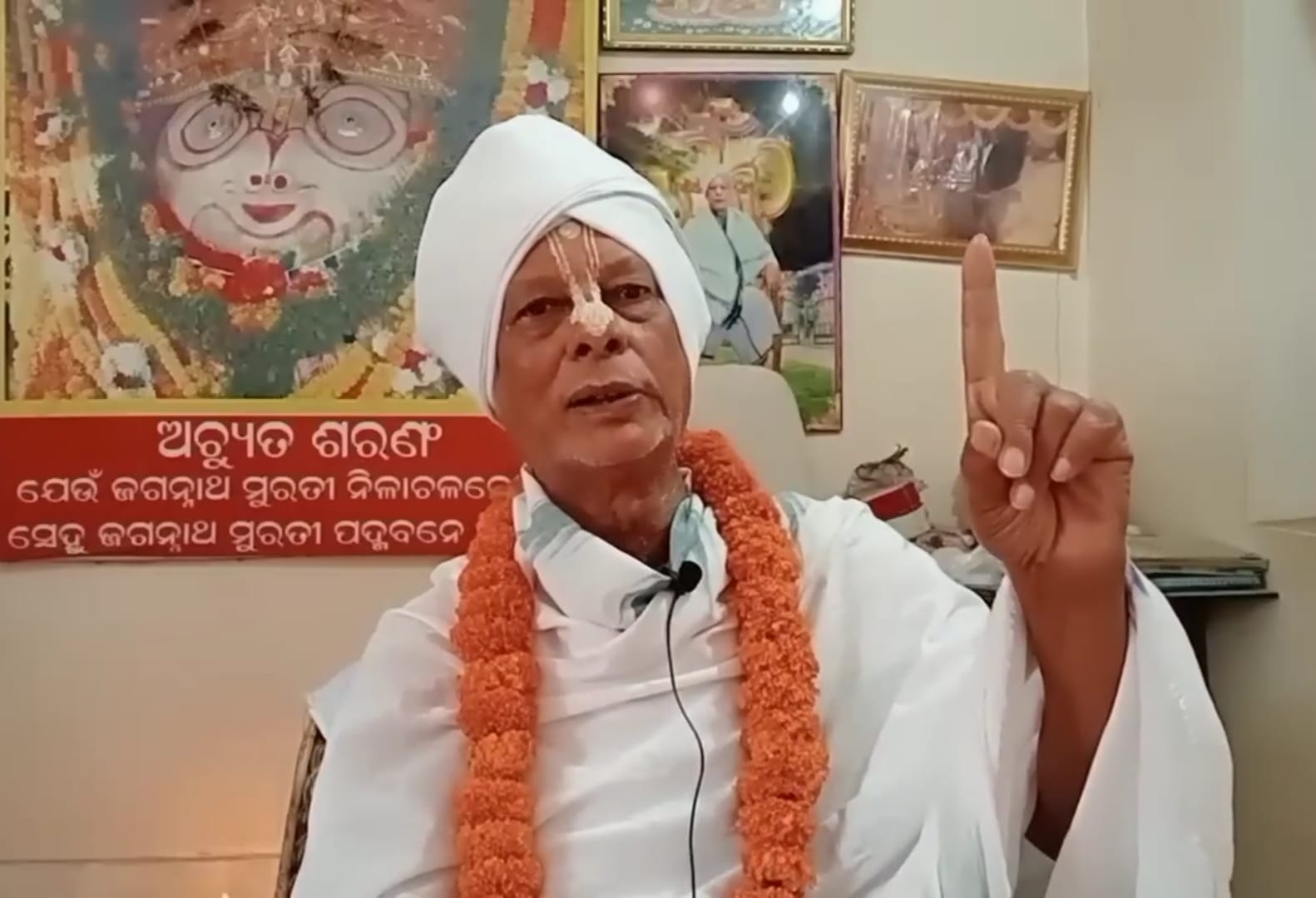
It is noteworthy that in the 14th generation of Mahapurush Achyutananda Das, his descendant and currently 85–90 year old Shri Gaganānanda Goswamiji is the Head of the Mahapurush's spiritual seat, Padmaban, Nemalo. This also makes it clear that the Mahapurush is talking about the current time period.
From the four points above, it is clear that according to the Malika, the Meena-Shani in which the Kalki destruction-leelas occur will come before the year 2033, and during that Meena-Shani period, Shri Divyasingha Deva will be the King of Puri and Shri Gaganānanda will be the Mahant of the Padmaban Peeth, Nemalo. Not only this, but on the day Saturn transits into Pisces, a Shad-graha (6-planet) Yoga will be forming in Pisces.
It is clear that the Mahapurush is pointing towards the Meena-Shani arriving between 2025–2028 because all four points above apply only to this Meena-Shani Yoga and none other.
Needless to say that according to the Malika, the major catastrophic events to be carried out by Lord Kalki will occur between 2025–2028.
Note: These days some people are saying that the Meena-Shani mentioned in the Malika is not the current Meena-Shani, but rather the next one arriving in 2054! It would be appropriate for all devotees who have faith in the Malika not to be confused by this, because such statements are entirely wrong.
In the previous chapter, we saw that all the main events of the establishment of Dharma will occur during the reign of the King of Puri, Shri Divyasingha Deva. In this chapter, we will understand this through some other verses of the Malika.
One of the Panchasakhas, Mahapurush Jagannath Das, wrote in his Malika text ‘Kali Malika’:
Odia Sloka:
ପୁରୁଷୋତ୍ତମ ଦେବ ରାଜା ଠାରୁ,
ଉନ୍ନବିଂଶ ରାଜା ହେବ
ସେଠାରୁ।
ସେଠାରୁ ପୁଣ ରାଜା ନାହିଁ ଆଉ,
ଅକୁଳି ହୋଇବେ କୁଳକୁ ବହୁ।
Transliteration:
Puruṣottama Deba rājā ṭhāru,
unnabiṃsha rājā heba seṭhāru.
Seṭhāru puṇa rājā
nāhiṃ āu,
akuḷi hoibe kuḷaku bahu.
If we observe the current situation, we find that the current King of Puri is the 19th King and is also without a son. The Mahapurush's clear indication is that all the Kalki-plays of the establishment of Dharma will occur during the reign of the current king.
Mahapurush Achyutananda Das wrote in his Malika text ‘Adi Samhita’:
Odia Sloka:
ଶ୍ରୀ ଦିବ୍ୟସିଂହ ନାମେ ରାୟେ,
ଏ ଯୁଗ ପ୍ରାନ୍ତେ ସେ ଉଦୟେ।
Transliteration:
Shri Dibyasiṃha nāme rāye,
e juga prānte se udaye.
In another Malika text, he wrote:
Odia Sloka:
ଦିବ୍ୟସିଂହ ଅଙ୍କେ ବାବୁ ସରବ ଦେଖିବୁ,
ଛାଡ଼ି ଚକା ଗଲୁ ବୋଲି ନିଶ୍ଚୟ
ଜାଣିବୁ,
ନର ବାଳୁତ ରୂପରେ ଆମ୍ଭେ ଜନମିବୁ।
Transliteration:
Dibyasiṃha aṅke bābu saraba dekhibu,
chhāḍi chakā galu boli nishchaya
jānibu,
nara bāḷuta rūpare āmbhe janamibu.
Then in the Malika text ‘Kalikalpa Gita’, Achyutanandaji writes:
Odia Sloka:
ବୃଦ୍ଧ ବାଳକ ରାଜା ହୋଇଥିବ,
ଗୁପତରେ ସଣ ସାଲ ଚାଲିବ।
ବାଳବୃଦ୍ଧ
ଅଙ୍କେ ବତାସ ହେବ,
ଜଳ ପବନ ବତାସ ବହିବ।
ଜଳ ପବନ ବତାସ ବହିବ,
ପୃଥିବୀ ହୀନମାନ ବହୁ
ହୋଇବ।
Transliteration:
Bruddha bāḷaka rājā hoithiba,
gupatare saṇa sāla chāliba.
bāḷabruddha aṅke
batāsha heba,
jaḷa pabana batāsha bahiba.
jaḷa pabana batāsha
bahiba,
pṛthibī hīnamāna bahu hoiba.
It is known that among the kings made so far, none except Shri Divyasingha Deva has been king from childhood to old age. The current King Shri Divyasingha Deva ascended the throne on July 7, 1970, at the age of just 17. While in this position, he has entered old age and is currently around 72 years old. Through this verse, in symbolic language, the Mahapurush revealed that Divyasingha Deva will be the king at the end of Kaliyuga.
Achyutananda Dasji further wrote in his ‘Kalikalpa Gita’:
Odia Sloka:
ଦିବ୍ୟସିଂହ ଦେବ ଅଙ୍କରେ ଜାଣ,
ଧୂମକେତୁ ହେବ
ପୂର୍ବଭାଗେଣ।
ଉଲ୍କାପାତ ହେବ ହାଲହୁଳି,
ଶ୍ୱାନ ଶୃଗାଳ ଛାଡ଼ିବେ ବୋବାଳି।
ମାତିବେ
କାଳୀ ଯେ କରାଳୀଗଣ,
ଲୋକେ ମରିବେ ହୋଇ ରଣଭଣ।
Transliteration:
Dibyasiṃha Deba aṅkare jāṇa,
dhūmaketu heba pūrbabhāgeṇa.
ulkāpāta heba
hālahuḷi,
shwāna shṛgāḷa chhāḍibe bobāḷi.
mātibe kāḷī je karāḷīgaṇa,
loke
maribe hoi raṇabhaṇa.
The Mahapurush briefly informed through the above verse that the events of Dharma establishment will occur during the tenure of the Puri King named Shri Divyasingha Deva at the end of Kaliyuga.
The Mahapurush said to his disciple Ramadas in another Malika text:
Odia Sloka:
କେଉଁ କାଳ ବୋଲି ବୋଇଲୁ ଶୁଣ ରାମ ରତନ,
ଥିବ ଦିବ୍ୟସିଂହ ରାଜନ କୋଳେ
କନ୍ୟା ରତନ।
Transliteration:
Keuñ kāḷa boli boilu śuṇa Rāma ratana,
thiba Dibyasiṃha rājana koḷe kanyā ratana.
Mahapurush Achyutananda Das wrote in one of his Malika texts:
Odia Sloka:
ବାରଣ ବେଳକୁ କରିବ ଦିବ୍ୟସିଂହ ନୃପତି,
ତାଙ୍କ କୁଳେ ପୁତ୍ର ନୋହିବ ଭଣେ
ଦୀନ ଅଚ୍ୟୁତୀ।
Transliteration:
Bāra bāra beḷaku kariba Dibyasiṃha nṛpati,
tāṅka kuḷe putra nohiba bhaṇe dīna
Achyutī.
This prophecy of the Mahapurush also fits the current King of Puri, Shri Divyasingha Deva, perfectly. The current King is without a son; he has only four daughters.
In another of his Malika texts, ‘Kaliyuga Gita’, Mahapurush Achyutananda Das wrote the words spoken by Lord Krishna to Arjuna in Dwaparayuga, in which Lord Krishna said:
Odia Sloka:
ଶ୍ରୀକ୍ଷେତ୍ର ରାଜନ ମୋର ନ ସେବି ପୟର।
Transliteration:
Shrikshetra rājana mora na sebi payara.
Achyutananda Dasji then wrote:
Odia Sloka:
ନ ଥିବ ରାଜନ ଶ୍ରୀକ୍ଷେତ୍ରେ କ୍ଷେତ୍ର ମଉଡ଼ ମଣି,
ରାଜ୍ୟ ରାଜକୁଳ
କନ୍ୟାକୁ ନ କରିବ ବର୍ଣ୍ଣି।
Transliteration:
Na
thiba rājana Shrīkṣetre kṣetra mauḍa maṇi,
rājya rājakuḷa kanyāku na kariba barṇṇi.
A great saint of Odisha born in the 18th century, Mahapurush Arakshita Das, wrote in his Malika text ‘Dwadasa Chandrika’:
Odia Sloka:
ଦିବ୍ୟସିଂହ ଦେବ ନୃପତି ନିଶ୍ଚୟ ଆସିବେ ଫେରି,
କ୍ଷେତ୍ରକୁ ନ ଯାଇ ରହିବେ
ଜାଣ ସେ ଖଣ୍ଡଗିରି।
ଭେଦ ମୁଁ କାହୁଁ ଜାଣିଥାନ୍ତି ଆଦିମାତା କହିଲେ,
ଭଣେ ଅରକ୍ଷିତ ଅଧମ ତହୁଁ
ଶୁଣିଲି ଭଲେ।
Transliteration:
Dibyasiṃha Deba nṛpati nishchaya āsibe pheri,
kṣhetraku na jāi rahibe jāṇa se
Khaṇḍagiri.
bheda muñ kāhuñ jāṇithānti Ādimātā kahile,
bhaṇe Arakṣhita adhama
tahuñ śuṇili bhale.
Let me inform the readers that all the kings before the current King used to reside in Puri, Odisha, and perform the daily service of Lord Jagannath, but the current King Shri Divyasingha Deva performs the service of Lord Jagannath only on some special occasions. He does not reside in Puri but lives in Shahid Nagar, Bhubaneswar. Additionally, Shri Divyasingha Deva did not marry a princess from Odisha but married the daughter of Lieutenant Colonel Anant Singh Charak of Jammu.
The above three prophecies fit the current King of Puri, Shri Divyasingha Deva, perfectly. This is also a proof that Kaliyuga will end during the tenure of King Shri Divyasingha Deva.
Mahapurush Achyutananda Das wrote in another of his Malika texts ‘Tera Janma Sharana’:
Odia Sloka:
ମାଘ ସପ୍ତମୀରେ ବିକାଶ ହୋଇବ ଦିବ୍ୟସିଂହ ନୃପବର,
ଅନନ୍ତ କେଶରୀ ରାଜତ୍ୱ
କରିବେ ଏହି ଏକାମ୍ର ନଗର।
Transliteration:
Māgha Saptamīre bikāsha hoiba Dibyasiṃha nṛpabara,
Ananta Keshari rājattwa karibe
ehi Ekāmra Nagara.
This verse also proves that the King of Puri at the time of Kalki's divine plays will be none other than Shri Divyasingha Deva.
In his Malika text ‘Mohakalpa’, Achyutanandaji gave another indication making it clear that Shri Divyasingha Deva would be the final king of Puri. The Mahapurush writes:
Odia Sloka:
ଲଲାଟ କେଶରୀ ଧନୁଶର ଧରି ଆଗେ ସେ ଯୁଦ୍ଧ କରିବେ,
ଦିବ୍ୟସିଂହ ଦେବ ନୃପତି
ଯେ ଜାଣ ବୈଷ୍ଣବ ଧର୍ମ ଛାଡିବେ।
କ୍ଷତ୍ରି ବୃତ୍ତି ଧରି ପଦାତିଙ୍କ ସହ କରିବେ ବହୁ
ସମର,
ପ୍ରଭୁଙ୍କ ଦେଖି ଦିବ୍ୟସିଂହ ଦେବ ପଡିବେ ପଦ୍ମପାଦର।
ନବଲକ୍ଷ ଧର୍ମ-ହୀନ ବ୍ୟକ୍ତି ତହିଁ
ତୁରିତେ ହେବେ ଛେଦନ,
ଲଲାଟ କେଶରୀ ଯୁଦ୍ଧ ଘାତେ ତହିଁ ମେଦିନୀ ଯେ କମ୍ପମାନ।
କ୍ଷେତ୍ର ଠାରୁ
ଆଦି ଓଡିଶା ରାଜ୍ୟରେ ଯେତେକ ବ୍ରାହ୍ମଣ ଥିବେ,
ଗାୟତ୍ରୀ ମନ୍ତ୍ରକୁ ପରୀକ୍ଷା ନ ଦେଇ ସମସ୍ତେ ତହିଁ
ମରିବେ।
ଦିବ୍ୟସିଂହ ଦେବ ବ୍ରାହ୍ମଣମାନଙ୍କୁ ଗାୟତ୍ରୀ ମନ୍ତ୍ର ପୁଛିବେ,
ବ୍ରାହ୍ମଣ ହତ୍ୟା
ବୋଲି ବ୍ରାହ୍ମଣମାନଙ୍କୁ କହି ବଧ୍ୟ ନ କରିବେ।
ଦିବ୍ୟସିଂହ ଦେବ ପରୀକ୍ଷା କରିବେ ଗାୟତ୍ରୀ ମନ୍ତ୍ରକୁ
ଜାଣ,
ଯେଉଁ ବ୍ରାହ୍ମଣଟି ପରୀକ୍ଷା ନ ଦେବ ନାଶିବ ଯେ ସୁଦର୍ଶନ।
ଅନନ୍ତ କେଶରୀ ସୁଦର୍ଶନ ଚକ୍ର
ଶୂନ୍ୟ ଗଗନେ ରଖିବେ,
ଚଉଷଠି ଅକ୍ଷର ପ୍ରମାଣ ନ ପାଇ ଶୂନ୍ୟରେ ଥାଇ ଛେଦିବେ।
Transliteration:
Lalāṭa Kesharī dhanushara dhari āge se juddha karibe,
Dibyasiṃha Deba nṛpati je
jāṇa baiṣṇaba dharma chhāḍibe.
Kṣatri bṛutti dhari padātiṅka saha karibe bahu
samara,
Prabhuṅka dekhi Dibyasiṃha Deba paḍibe padmapādara.
Nabalakṣa
dharma-hīna byakti tahiṃ turite hebe chhedana,
Lalāṭa Kesharī juddha ghāte tahiṃ
medinī je kampamāna.
Kṣetra ṭhāru ādi Oḍishā rājyare jeteka brāhmaṇa
thibe,
Gāyatrī mantraku parīkṣā na dei samaste tahiṃ maribe.
Dibyasiṃha Deba
brāhmaṇamānaṅku Gāyatrī mantra puchhibe,
Brāhmaṇa hatyā boli brāhmaṇamānaṅku kahi
badhya na karibe.
Dibyasiṃha Deba parīkṣā karibe Gāyatrī mantraku jāṇa,
Jeuṃ
brāhmaṇaṭi parīkṣā na deba nāshiba je Sudarshana.
Ananta Kesharī Sudarshana chakra
shūnya gagane rakhibe,
Chauṣaṭhi akṣara pramāṇa na pāi shūnyare thāi chhedibe.
Here, the Mahapurush provides proof that the King of Puri, Shri Divyasingha Deva, will meet Lord Kalki and contribute to the establishment of Dharma. It is clear that the destructive plays of Lord Kalki will occur during the tenure of Shri Divyasingha Deva.
Then the Mahapurush writes in his Malika text ‘Kalpa Tika’:
Odia Sloka:
ଦିବ୍ୟସିଂହ ଦେବ ସେ ଯେ କ୍ଷତ୍ରିୟ ରାଜନ,
ତାହାଙ୍କୁ ଫିରିଙ୍ଗୀ କରିଥିବେ
ସେ ବନ୍ଧନ।
କ୍ଷେତ୍ରର ନୃପତି ଦିବ୍ୟସିଂହ ଯେ ରାଜନ,
ତାହାଙ୍କୁ ଯେ ରଖିଥିବେ ଶ୍ରୀ ହରି
ଗୋପନ।
ବନ୍ଧନର ଦୁଇ ଦିନରେ ପ୍ରଭୁ ଯେ ଶ୍ରୀ ହରି,
ରାତ୍ରିକାଳେ ରାଜା ପାଶେ ବିଜେ ଯେ ଶ୍ରୀ
ହରି।
ରାଜାର ବନ୍ଧନ ଫେଇ ପ୍ରଭୁ ବାସୁ ଦେବେ,
ଖଣ୍ଡଗିରି ତଳ ପୁରେ ଗୋପନେ ରଖିବେ।
Transliteration:
Dibyasiṃha Deba se je Kṣhatriya rājana,
tāhānku Phiringī karithibe se
bandhana.
Kṣhetrara nṛupati Dibyasiṃha je rājana,
tāhānku je rakhithibe Shrī
Hari gopana.
Bandhanara dui dinare Prabhu je Shrī Hari,
rātrikāḷe rājā pāśe
bije je Shrī Hari.
rājāra bandhana phei Prabhu bāśu debe,
Khaṇḍagiri taḷa pure
gopane rakhibe.
Further, Mahapurush Achyutananda Das writes in his Malika text ‘Padmakalpa Tika’:
Odia Sloka:
ଅନନ୍ତ ଗୁମ୍ଫା ମଧ୍ୟରେ ମୋ ଭକ୍ତ ରହିବେ,
ସେହିବେଳେ ସରକାର ଖାଦ୍ୟ
ପକାଇବେ।
ଅନନ୍ତ କେଶରୀ ସ୍ୱାମୀ ଥିବେ ଖଣ୍ଡଗିରି,
ଦିବ୍ୟସିଂହ ଲଲାଟ କେଶରୀ ଆଦିକରି।
Transliteration:
Ananta gumphā madhyare mo bhakta rahibe,
sehibeḷe sarakāra khādya
pakāibe.
Ananta Keshari swāmī thibe Khaṇḍagiri,
Dibyasiṃha Lalāṭa Keshari
ādikari.
The Mahapurush once again wrote in his Malika text ‘Kalpa Tika’:
Odia Sloka:
ଅନନ୍ତ କେଶରୀ ସ୍ୱାମୀ ଥିବେ ଖଣ୍ଡଗିରି,
ଦିବ୍ୟସିଂହ ଦେବ ସେ ଯେ
ଲଲାଟକେଶରୀ।
ଖଣ୍ଡଗିରି ଠାବରେ ସେ ପ୍ରଭୁଙ୍କୁ ଦେଖିବେ,
ଲଲାଟକେଶରୀ ଦିବ୍ୟସିଂହକୁ ଚିହ୍ନିବେ।
Transliteration:
Anaṃta kesharī swāmī thibe Khaṇḍagiri,
Dibyasiṃha deba se je
lalāṭakesharī.
Khaṇḍagiri ṭhābare se prabhuṃku dekhibe,
Lalāṭakesharī
Dibyasiṃhaku chihnibe.
From all three verses given above as well, it is known that at the time of Lord Kalki's divine plays, the King of Puri will be Divyasingha Deva.
The Bhavishya Malika is full of many secret episodes and prophecies. Among these prophecies is the prediction of many kings meeting the Lord.
The Mahapurush writes in his Malika text that in the future, a time will come when foreign soldiers will occupy from Chhatia, Jajpur to Nilagiri or Nilachal, Puri. Even the enemy's massive army will enter inside the Jagannath Temple. Seeing all this in extreme distress, the Lord, absorbed in penance, will remember Sahadeva, Nakula, Ashwatthama, and Shalya. As soon as the Lord remembers them, the meditation and penance of these four heroic warriors, experts in archery, will break, and all four will reach Chhatia and fall at the Lord's feet, asking for His command. The Lord will command the four of them to destroy the massive Mughal army and protect the devotees. According to the Lord's command, the four of them will destroy the Mughal soldiers and then return to the Lord. At that time, countless devotees will be with the Lord in Chhatia, and for 27 days, Chhatia will become the meeting place of the devotees. At this time, the kings of Russia, Nepal, Manipur, Ali, Kujang, Kanika, etc., will meet the Lord, receive His Darshan, and surrender themselves at His feet. At that time, the Lord will take all of them and reach Sealdah to request Lord Baladeva for the destruction of the remaining foreign army. In this way, all the kings with the Lord will go to Sealdah and meet Baladeva, where Arjuna and Bhima will already be present.
Here the Mahapurush writes that during this time, among the kings who will meet Lord Ananta Keshari and Lord Baladeva, the King of Puri, Shrikshetra, will also be there. Revealing who he will be, the Mahapurush writes in his Malika text:
Odia Sloka:
କ୍ଷେତ୍ରରେ ଯେ ରାଜା ଦିବ୍ୟସିଂହ ଦେବ ତାହାଙ୍କ ସଙ୍ଗତେ ସ୍ଥିତି।
Transliteration:
Kṣhetre je rājā Dibyasiṃha Deba tāhāṅka saṅgate sthiti.
From the above discussions, it is also clear that the King of Puri at the time of Kalki's divine plays will indeed be Shri Divyasingha Deva.
From the above 17 verses, it is clearly proven that at the end of Kaliyuga, when Lord Kalki has been born and when His destructive plays occur throughout the entire world, when the destruction of the wicked, the salvation of devotees, and the work of establishing Dharma take place, at that time a king named Divyasingha Deva will be seated on the throne of Jagannath Puri, and he will also be the final king to remain in this position.
Shri Divyasingha Deva will be the last king—this was written by Mahapurush Jagannath Das, one of the Panchasakhas, in his Malika text, which we mentioned in the first verse of this chapter.
But the noteworthy thing is that not only Jagannath Das, but another Mahapurush among the Panchasakhas, Shishu Ananta Das, also wrote on this subject in his Malika text ‘Patta Madana’. The Mahapurush writes:
Odia Sloka:
ଦିବ୍ୟସିଂହ ନୃପ ରାଜତ୍ୱ କରିବେ ଆଉ ଶାସନ ନ ଥିବ।
Transliteration:
Dibyasiṃha nṛupa rājattwa karibe āu śāsana na thiba.
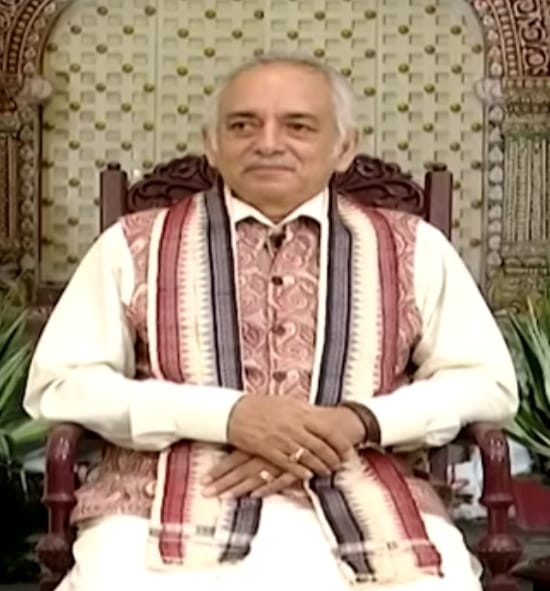
The fact worth noting here is that the Mahapurush did not stop just by saying that the name of the King of Puri at the end of Kaliyuga would be Divyasingha Deva; rather, he told many things about it, such as he would be the 19th king, he would be the fourth Divyasingha Deva, he would be without a son, he would have only daughters, he would not live in Puri but in Bhubaneswar, he would not be able to perform the daily services of Lord Jagannath, he would assume kingship in childhood and remain king until old age, etc.
All these things fit the current King Shri Divyasingha Deva perfectly.
Mahapurush Achyutananda Das and
the other Panchasakhas have written in numerous places in their Malika texts that devotees will
receive many signs from the Jagannath Temple through which they will be able to know that Kali
Yuga has ended and Lord Kalki has incarnated. These signs will be seen not only from the
Jagannath Temple but also from other monasteries and temples in India, but primarily they will
be visible from the Jagannath Temple situated in Puri.
Odia Sloka:
ବାରମ୍ବାର ଶ୍ରୀ ମନ୍ଦିରରେ ପୁଣି,
ନାନା ଅଘଟଣ ସତ୍ୟ ମୋ ବାଣୀ।
Transliteration:
Bārambāra shrīmandirare puṇi,
nānā aghaṭana satya mo bāṇī.
Today we find that over the past 15-20 years, numerous bad omens have been witnessed at the Jagannath Temple, such as a large stone falling from the temple's "Amla Bedha" in the year 1990; stones falling to the ground from the upper structures of the temple, including the sanctum sanctorum, multiple times in recent years; ominous (carrion-eating) birds sitting on the temple's flagpole and the Aruna Stambha in front of the Singhadwara (Lion Gate); countless kites circling above the temple; the gem-studded canopy (Ratnachandua) placed over the deities catching fire; the 'Patitapabana Bana' (flag) hoisted atop the temple catching fire; the 2.2-ton Neelachakra, made of Ashtadhatu (eight metals), getting bent by high-velocity winds; the 'Patitapabana Bana' blowing away and falling into the sea during a severe cyclone; a branch of the huge Kalpavata (banyan tree) located in the temple premises breaking; the Patitapabana Bana burning due to a lightning strike; approximately 40 earthen stoves being vandalized by miscreants in the temple's sacred kitchen; cracks being found in the temple's Aruna Stambha, the beam inside the Natamandapa, the hall in front of the sanctum sanctorum (Jagamohana), and near the Singhadwara; the 'Padma Pakhuda' (lotus petal) stone going missing from the Ratnasinghasana (gem-studded throne); a lightning strike on the temple's kitchen; thefts occurring in the temple during the night; an increase in rats in the temple due to the reduced number of devotees during the Corona pandemic, causing a nuisance and disrupting the temple's rituals; blood splatters being found in multiple places including the temple's Ratnasinghasana, followed by the ritualistic grand bathing (Mahasnana) of the Chaturdha Murti (four deities); the sky turning red all around the temple; the sudden disappearance of bats that were previously seen in abundance in the temple; the use of mobile phones despite them being banned in the temple; deceptive video recording in the temple premises using spy cameras hidden in spectacles; the entry of non-Hindus and non-Sanatanis into the temple despite the ban; suicides or deaths due to other reasons occurring inside the temple; deaths on the Baisi Pahacha, that is, the 22 steps of the temple; cracks being found in the Gumuta (dome) of the temple's Hasti Dwara (North Gate), etc.
Separate prophecies regarding some of these incidents are found in various Malika texts, wherein it is clearly stated that these events will occur only at the end of Kali Yuga and will give devotees the signal of Lord Kalki's descent upon the earth. Therefore, those who express their doubts and disbelief today regarding the end of Kali Yuga and the incarnation of Lord Kalki should reconsider their notions.
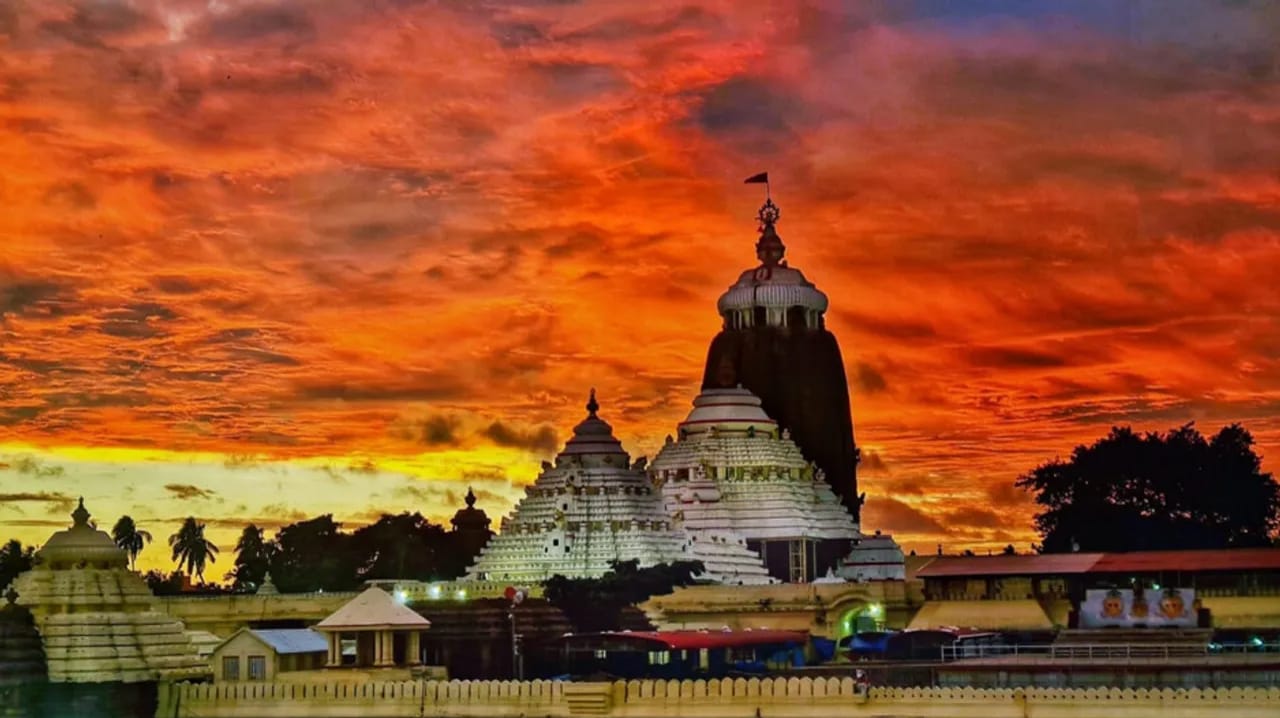
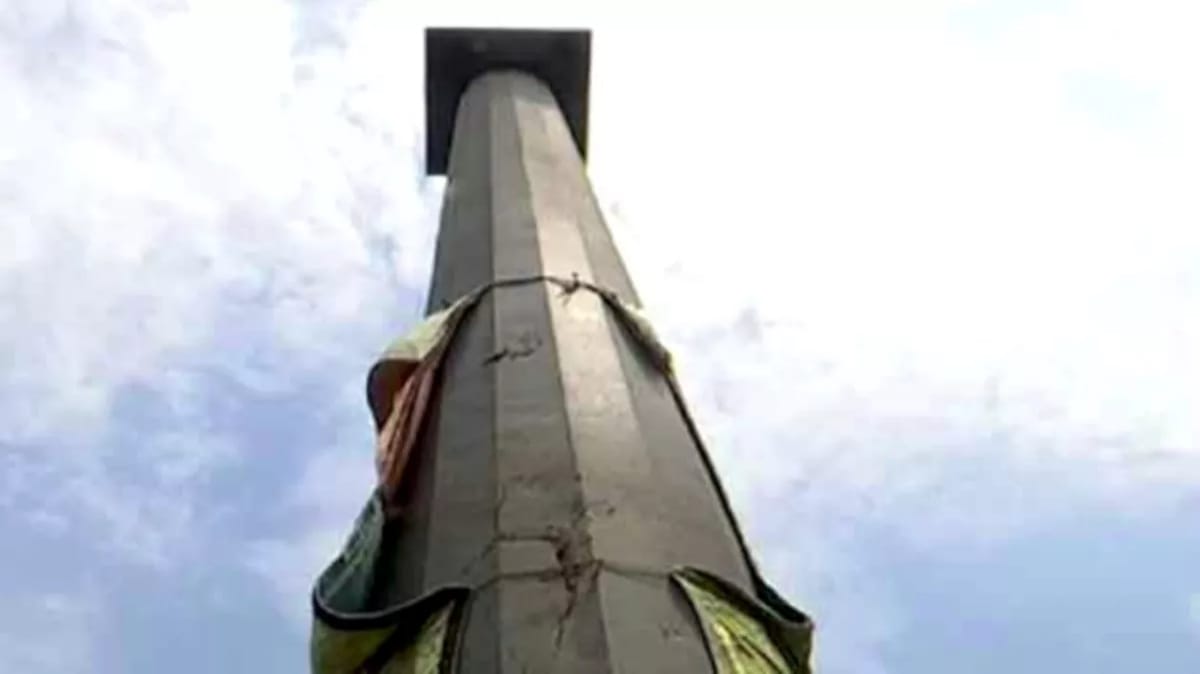
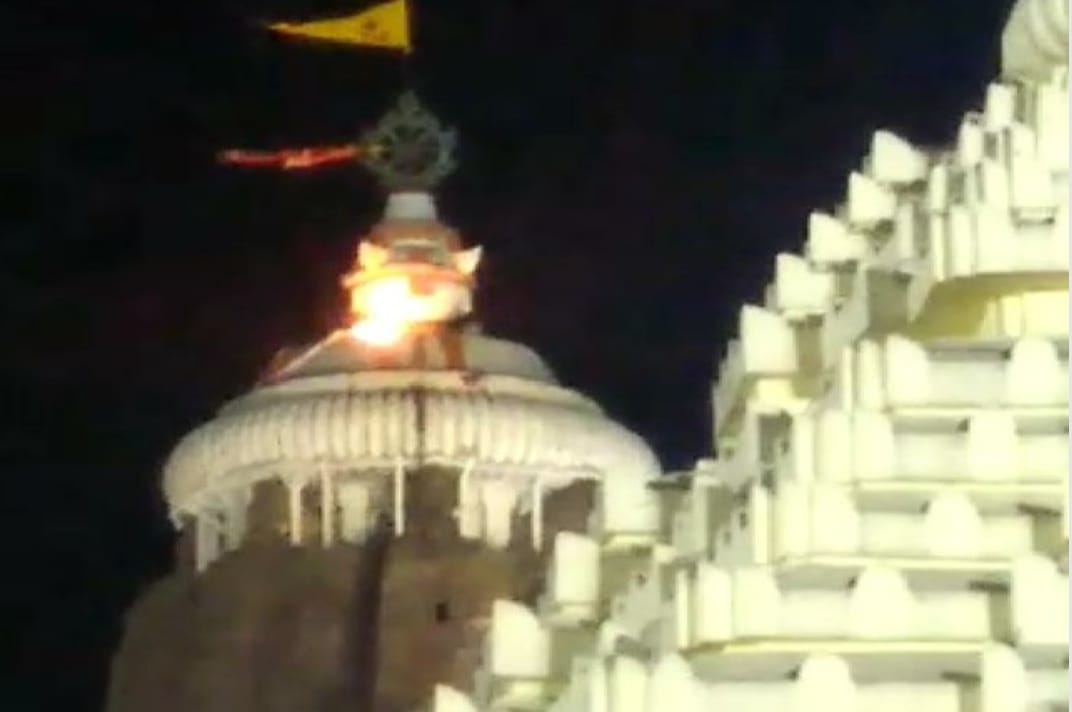
Mahapurush Achyutananda Das wrote in his 'Jaiphula Malika':
Odia Sloka:
ବଡ଼ ଦେଉଳୁଁ ପଥର,
ଖସୁଥିବ ପୁଣି ଥରକୁ ଥର ଲୋ ଯାଇଫୁଲ,
ତୁହି
ଦେଖିବୁ ବେନି ନେତ୍ରର।
Transliteration:
Baḍa deuluṃ pathara,
khasuthiba puṇi tharaku thara lo jāiphula,
tuhi dekhibu
beni netrara.
If we consider the truth of this prophecy, we will find that after a stone weighing 5-6 tons fell from the "Amla Bedha" of the temple on June 14, 1990, such incidents have occurred numerous times. On August 13, 1992, two massive stones fell directly into the sanctum sanctorum of the temple. Similarly, on October 26, 1998, a 15 kg rock rolled down from the main temple and fell near the Bimala temple within the periphery of the main temple premises. On November 1, 2011, a stone weighing about 1 ton fell down from near the Dadhinauti of the western gate of the Jagannath Temple.
Also in the year 2015, on February 2, a stone weighing 30-40 kg fell to the ground from the Jalakrida Mandapa built near the Bimala Temple in the western part of the Jagannath Temple. Talking about recent times, on August 3, 2022, a piece of plaster weighing about 1.5 kg fell down from the roof of the sanctum sanctorum of this twelfth-century built temple. On October 23, 2022, a stone fell from the south-eastern corner of the temple near the Majana Mandapa and Charcha Ghara, and within a week of this, on October 28, 2022, a 2-3 kg stone fell down from the third layer above the statue of a Sakhi near the joint site of the Natamandapa and Jagamohana. Even in the year 2024, on March 9, a stone weighing about four kilograms fell down from the roof of the Baraha Temple situated in front of the Bimala Temple in the Jagannath Temple premises.
In this way, the prophecy made centuries ago by Mahapurush Achyutananda Das regarding stones falling "tharaku thara" (repeatedly) from the Jagannath Temple has also been proven true in the past few years.
Odia Sloka:
ବଡ଼ ଦେଉଳରୁ ମୋର ପଥର ଖସିବ,
ସେହିଦିନଠାରୁ ସଖୀ ବିପଦ
ପଡ଼ିବ।
ଅଅଁଳା ବେଢ଼ାରୁ ପଥର ଖସିବ ଯୁଗ ଶେଷ ହେବାପାଇଁ,
ଜାଣି ମୁଁ ଗରୁଡ଼ ଏ ଶକୁନମାନ ଗୁପତେ
ଦେଲି ଚେତେଇ।
ଅଅଁଳା ବେଢ଼ାରୁ ଏକ ପଥର ଖସିବ,
ତେଇଶି ବରଷେ କଳି ଦେଶ ଛାଡ଼ି
ଯିବ।
ଚୁଳରୁ ପଥର ଯେବେ ଖସିବ ସୁତ,
ଖସିଲେ ଅଅଁଳା ବେଢ଼ାରୁ ହେବ ଏ କଳି ହତ।
ମୋର ବଡ଼
ଦେଉଳରୁ ଖସିବ ପଥର,
ଶ୍ରୀକ୍ଷେତ୍ର ରାଜନ ମୋର ନ ସେବି ପୟର।
ବସିବ ଯେ ଗୃଧ୍ର ପକ୍ଷୀ ତୋ ଦେଉଳ
ଚୁଳେ,
ଖସିବ ପଥର ଖଣ୍ଡ ପଡ଼ିବ ଯେ ତଳେ।
ବତାସରେ ହେ। ନୀଳଚକ୍ର ବକ୍ର ହେବ ବାରେ
ହେ।
ବଡ଼ ଦେଉଳରୁ ମୋର ଖସିବ ପଥର,
ବସିବ ଯେ ଗୃଧ୍ର ପକ୍ଷୀ ଅରୁଣ ଖମ୍ବର।
ବତାସର ହେ।
ବକ୍ର ହେବ ନୀଳଚକ୍ର ମୋର ହେ।
ତରକିବେ ତେରଜଣ ଜାଣିଥା ନିକର,
ବଡ଼ ଦେଉଳୁ ପଥର ଖସି
ବାରମ୍ବାର।
ଗୃଧ୍ରପକ୍ଷୀ ମଥାପରେ ବସିଣ ଯେ ଯିବ,
ସେହିଦିନୁ ହତଶିରୀ ପୃଥ୍ବୀ ହୋଇବ।
Transliteration:
Baḍa deularu mora pathara khasiba,
sehidinaṭhāru sakhī bipada paḍiba.
Aaṃlā
beḍhāru pathara khasiba yuga sheṣha hebāpāiṃ,
jāṇi mu Garuḍa e shakunamāna gupate
deli chetei.
Aaṃlā beḍhāru eka pathara khasiba,
teishi baraṣhe kali desha
chāḍi jiba.
Chularu pathara jebe khasiba suta,
khasile aaṃlā beḍhāru heba e
kali hata.
Mora baḍa deularu khasiba pathara,
Shrīkṣhetra rājana mora na sebi
payara.
Basiba je giddha pakṣhī to deula chule,
khasiba pathara khaṃḍa paḍiba
je tale.
Batāsare he. Nīlachakra bakra heba bāre he.
Baḍa deularu mora khasiba
pathara,
basiba je giddha pakṣhī Aruṇa khambara.
Batāsara he. Bakra heba
Nīlachakra mora he.
Tarakibe terajaṇa jāṇithā nikara,
baḍa deulu pathara khasi
bārambāra.
Giddhapakṣhī mathāpare basiṇa je jiba,
sehidinu hatashirī pṛithwī
hoiba.
Readers will be surprised to know that all the above-mentioned prophecies written centuries ago have presently materialized in the Jagannath Temple. Amidst heavy rains, first of all, on June 14, 1990, a stone weighing 5-6 tons fell from the "Amla Bedha" of the temple. Then an ominous bird was also found sitting on the Aruna Stambha.
It is noteworthy that no bird was ever seen flying over the Jagannath Puri temple, and scientists and researchers also failed to analyze why this happened after all. But in this end period of Kali Yuga, proving the prophecies of the Malika true, ominous birds like kites/vultures have been seen sitting on the Patitapabana Bana (flagstaff) atop the temple numerous times. In recent years, the same happened on August 11, 2018, December 26, 2018, and July 23, 2020, when ominous birds were seen sitting on the temple's flagstaff. On December 7, 2021, countless such birds were seen circling in a flock over the Jagannath Temple. A similar incident was seen once again on August 17, 2022. This sequence did not stop here; in the months of May, June, and September of the year 2023, the residents of Puri again witnessed this unpleasant incident when similar birds were seen sitting on the flagstaff installed atop the temple.
Recently in the year 2025 as well, a bird was seen atop the Aruna Stambha on September 4, while kites were seen sitting atop the temple on September 2, September 16, and October 14. On December 9, countless birds were found circling the Shrimandir.
In addition to all this, the extremely severe cyclonic storm, 'Fani', which struck the Puri coast on May 3, 2019, bent the Neelachakra atop the temple, thereby fulfilling another prophecy written centuries ago in this sequence.
It is to be noted that these prophecies written in the 16th century are not merely signs of the end of Kali Yuga, but are also signs given by the Panchasakhas of the arrival of the Kalki Avatar, because the Kalki Avatar will arrive only at the end of Kali Yuga, as stated by all scriptures including the Bhavishya Malika.
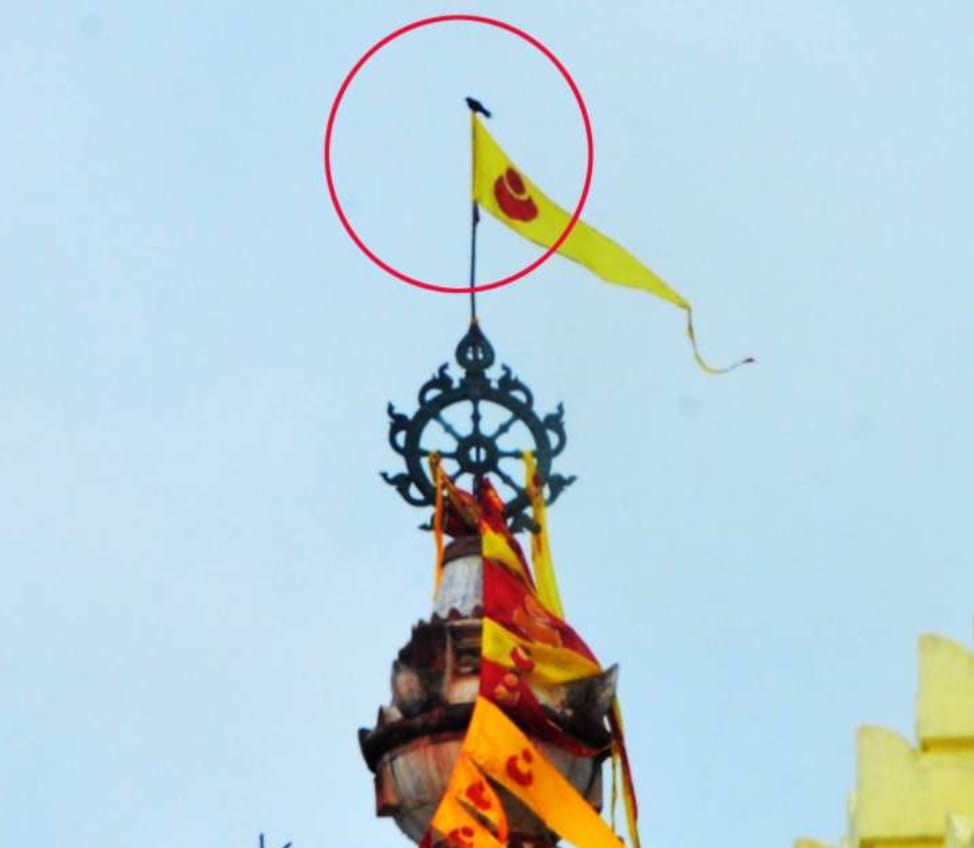
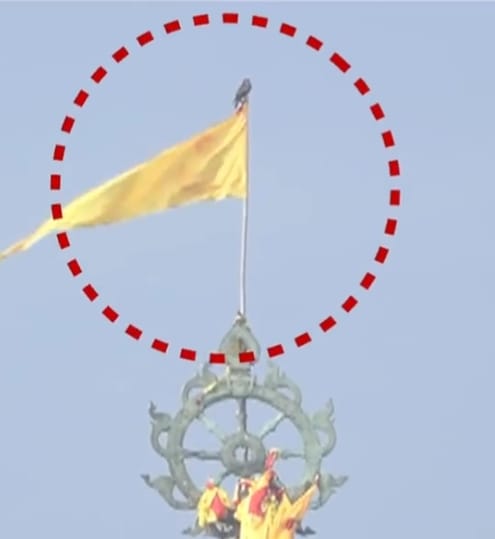
Odia Sloka:
ନୀଳଚକ୍ର ଧ୍ବଜା ଖସିବ ପ୍ରଭୁ ରଙ୍ଗା ଅଧର,
ଯାଜନଗ୍ରେ ଜନମ ହୋଇବେ ବିଷ୍ଣୁ
ଶର୍ମା ଗୃହର।
ହର ଉଦ୍ୟାନରେ ମାୟା ପ୍ରକାଶିବ ମ୍ଳେଚ୍ଛକୁ ଗ୍ରାସୁଥିବେ,
ନୀଳଚକ୍ର ବାନା ଝଡ଼ିବ
ନିଶ୍ଚୟ ଭକତଙ୍କୁ ଲୋଡ଼ିଯିବେ।
ନୀଳଚକ୍ର ପରୁ ପତାକା ଛିଡ଼ିଣ ପଡ଼ିବ ସମୁଦ୍ର କୂଳେ,
କଳକୀ
ରୂପକୁ ଚିନ୍ତା ପୁଣ ହେବ ଭାବିବେ କ୍ଷୀରାଧି କୂଳେ।
Transliteration:
Nīlachakra dhwajā khasiba prabhu raṃgā adhara,
Jājanagre janma hoibe Biṣhṇu Sharmā
gṛihara.
Hara udyānare māyā prakāshiba mlechchaku grāsuthibe,
Nīlachakra bānā
jhaḍiba nishchaya bhakataṃku loḍijibe.
Nīlachakra paru patākā chiḍiṇa paḍiba
samudra kūle,
Kalki rūpaku chiṃtā puṇa heba bhābibe kṣhīrādhi kūle.
This prophecy made by Mahapurush Achyutananda Das also turned out to be accurate. One day before the extremely severe cyclonic storm 'Fani' hit the Puri coast, on May 2, 2019, due to strong winds, the Patitapabana Bana flew away and fell into the sea. Exactly the same incident occurred once again on May 18, 2020, two days before Cyclone 'Amphan' hit the Odisha coast.
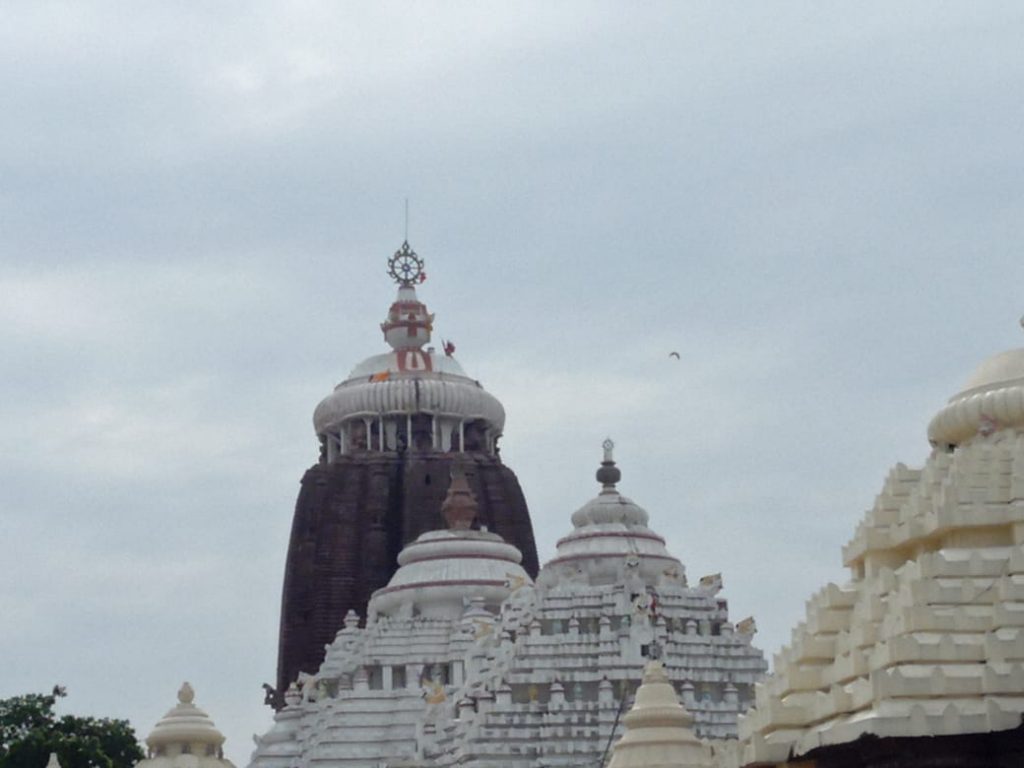
Odia Sloka:
ନୀଳାଚଳ ଛାଡ଼ି ଆମ୍ଭେ ଯିବୁ ଯେତେବେଳେ,
ଲାଗିବ ରତ୍ନଚାନ୍ଦୁଆ ଅଗ୍ନି
ସେତେବେଳେ।
ନିଶାକାଳେ ହେ। ନୀଳାଚଳୁ ଚୋରିଯିବ ହେଲେ ହେ।
Transliteration:
Nīlāchala chāḍi āmbhe jibu jetebele,
lāgiba ratnachāṃduā agni
setebele.
Nishākāle he. Nīlāchalu chorijiba hele he.
It is noteworthy that the incident of the Ratnachandua catching fire occurred in the year 2004-05, and thus this prophecy of the Mahapurush has also been proven true.
Odia Sloka:
କଳ୍ପବଟ ଡ଼ାଳ ଛେଦନ ଭୋଇବ ଦେଖିବୁ ତୁ ନୟନରେ,
ଶିବକଳ୍ପ ବାଣୀ ଅନ୍ୟଥା
ନୋହିବ ଶୁଣ ରାମଦାସ ତୁରେ।
ଏକ ଦକ୍ଷିଣରେ ନବ ଯେ ଥିବ,
କଳ୍ପବଟ ମୋର ଛେଦନ ହୋଇବ।
Transliteration:
Kalpabaṭa ḍāla chedana hoiba dekhibu tu nayanare,
Shibakalpa bāṇī anyathā nohiba
shuṇa Rāmadāsa ture.
Eka dakṣhiṇare naba je thiba,
kalpabaṭa mora chedana
hoiba.
Exactly according to the statement of the Mahapurush, this prophecy came true in the year 2019 when the extremely severe cyclonic storm 'Fani', which struck the Puri coast on May 3, damaged the massive, ages-old Kalpavata situated in the temple premises.
Odia Sloka:
ରକ୍ତଛିଟା ପଡ଼ିବ ଯେ ରତ୍ନସିଂହାସନେ,
ଏହି ଘଟଣା ଘଟିବ ମନେ ରଖ ଦିନେ।
Transliteration:
Raktachīṃṭā paḍiba je ratnasiṃhāsane,
ehi ghaṭaṇā ghaṭiba mane rakha dine.
This prophecy written by the Mahapurush also turned out to be true. Over the past few years, blood splatters have fallen in many places in the temple, including the Ratnasinghasana, after which, according to the temple's tradition, the Chaturdha Murti were purified through the Mahasnana (grand bathing) ritual. For instance, on March 6, 2021, blood was seen near the 'Bhitar Katha' located at some distance from the sanctum sanctorum of the temple. On April 18, 2021, due to a scuffle between two policemen deployed for temple security, blood splatters fell in the temple premises. On March 7, 2022, during the 'Abakasha Niti' (ritual), blood splatters were found near the 'Bhitar Katha' inside the temple's Jagamohana (the hall in front of the sanctum sanctorum). Then on April 11, 2022, blood splatters were seen near the Dhukudi Dwara of the temple. On November 3, 2022, after the 'Mangala Alati', 'Mailama', and 'Tadapa Lagi' rituals, blood splatters were seen near the 'Bhitar Katha'. Such an incident was seen again in the third week of January in the year 2023. After the conclusion of Lord Jagannath's 'Abakasha' and 'Besa Lagi' rituals, bloodstains were seen in the Shrimandir, due to which the offering (Bhoga) to Gopalaballabha could not be completed. Then on June 4, 2023, after the divine bathing (Devasnana) concluded, blood splatters were seen on the Snana Mandapa. Even recently, on October 13, 2023, due to a violent dispute between two servitors over the distribution of Prasad immediately after the 'Madhyahna Dhupa' in the Shrimandir, blood splatters fell in the temple's sanctum sanctorum. In the year 2024 as well, on the early morning of April 23, after the Singhadwara opened, a woman from a servitor family had placed her hand on the temple door when her finger got crushed in it. As a result, blood came out from her finger near the Dhukudi Dwara close to the inner Bedha. In such a situation, the Mahasnana of the Supreme Lord was performed even before the Mangala Alati. Similarly, incidents of bleeding in the temple premises continued in the year 2025 as well.
During the 11-day Rath Yatra in Shri Jagannath Puri, the 'Adapa Mandapa Bije' rituals began at 7 PM on the evening of July 9, 2024. During this, while taking the idol of Lord Balabhadra from the chariot to the Adapa Mandapa of the Gundicha Temple, He fell face down on the Charamala, due to which 12 servitors also got injured. Such an unfortunate incident occurred for the very first time in history. The falling of Lord Balabhadra in this manner is certainly a sign of impending disasters, the mention of which is found as follows in the 'Niladri' text related to the rules and policies of Shrikhetra, as directed by Lord Brahma and Lord Vishnu.
Odia Sloka:
ମୁରବୈରିଣ ଏତସ୍ୟ ଜଗଦୀଶସ୍ୟ ଭୂପତେହଃ।
ଭଦ୍ରାୟାଶ୍ଚ ବଳସ୍ୟାପି
ପ୍ରମାଦାତ୍ ପତନଂ ଯଦି।।
ମହାଭୟଂ ନୃପସ୍ୟାପି ରାଜ୍ୟସ୍ୟାପି ଭବେଦ୍ଧ୍ରୁବମ୍।
ଦୁର୍ଭିକ୍ଷଂ
ମରଣଂ ଚୈବ ଜାୟତେ ଚ ପୁନଃ ପୁନଃ।।
Transliteration:
Murabairiṇa etasya jagadīshasya bhūpatehaḥ.
Bhadrāyāshcha balasyāpi pramādāt
patanaṃ yadi.
Mahābhayaṃ nṛipasyāpi rājyasyāpi bhabeddhrubam.
Durbhikṣhaṃ
maraṇaṃ chaiba jāyate cha punaḥ punaḥ.
Fire in the sanctum sanctorum of the Mahakal Temple, Ujjain in the year 2024
On the morning of Monday, March 25, 2024, during the Holi festival, a fire broke out in the sanctum sanctorum of the Mahakaleshwar Temple in Ujjain due to the throwing of 'gulal' (colored powder) during the Bhasma Aarti. About 14 people, including the chief priest and other servitors, sustained burn injuries in this incident.
The negative signs received from the Jagannath Temple continued in the year 2025 as well. Through many signs, Lord Jagannath gave His devotees a premonition of the impending misfortunes, some of the main signs of which we are presenting before you.
(a) Breaking of the Akshaya Danda on February 14
Like every day, on the afternoon of February 14, 2025 (Friday), when the Chunara servitor reached the Neelachakra atop the temple to change the Patitapabana Bana or the main flag, he found the Akshaya Danda (the bamboo pole that holds the Patitapabana Bana) broken. After this, the servitors somehow tied the flag to the Neelachakra itself.
The breaking of the Akshaya Danda in this manner hurt the sentiments of countless devotees, and they expressed great sorrow over it. Along with this, many devotees called it a sign of disasters coming in the near future.
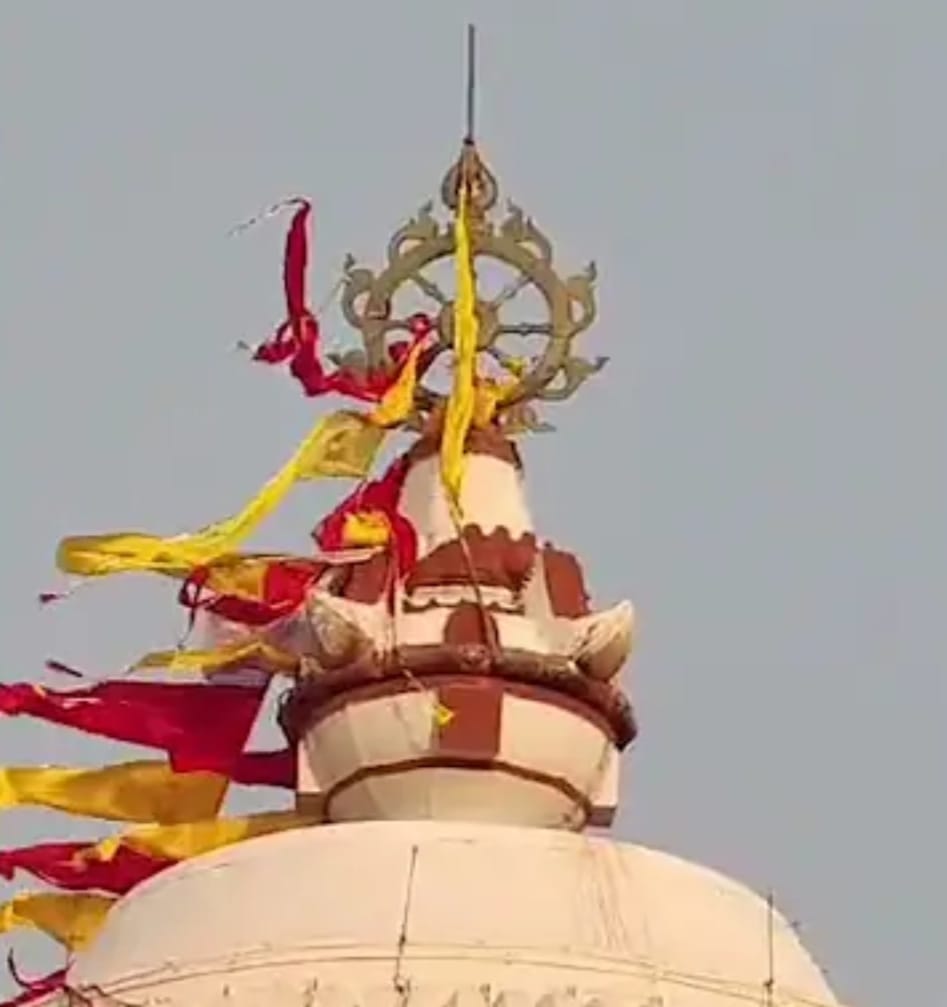
(b) Blood splatters found in the temple on February 16; Mahasnana of the deities performed
On February 16 (Sunday), after the completion of morning rituals like the 'Dwara Phita Niti' and 'Mangala Alati', as soon as the Darshan of Lord Jagannath began, shortly after, the servitors found bloodstains near the 'Bhitar Katha' area. Immediately after the incident, arrangements were made for the 'Bada Mahasnana Niti' of the deities, and Darshan was also stopped for some time.
(c) A kite flying away with the Patitapabana Bana on April 13
On April 13, 2025, devotees of Lord Jagannath situated at the Puri Shrimandir witnessed an unprecedented sign. Around 5 PM, a kite was seen circling the temple carrying the Patitapabana Bana in its beak. According to reports, the kite circled the temple about 4-5 times and then flew towards the sea over the western gate.
The video of this incident went viral on social media. Many devotees expressed their sorrow and concerns over this. Many devotees linked it to upcoming disasters, and several called it an unprecedented negative sign given by Lord Jagannath.
(d) Blood splatters found in the temple on April 21 and Mahasnana of the deities performed
On April 21 (Monday) as well, bloodstains were seen near the Bhitar Katha in the Shrimandir, after which the Mahasnana of the Lord's idols was duly performed according to tradition. Meanwhile, the Darshan of the Supreme Lord for the devotees was interrupted for about 1 hour. According to reports, bloodstains were found inside the temple due to pieces of glass piercing a policeman's foot.
(e) A kite sitting atop the Patitapabana Bana on September 2
A kite sitting on the Patitapabana Bana atop the Shrimandir has been seen many times in the past few years. Every time such an incident is seen, it is shown on almost all local news channels in Odisha. On September 2, exactly the same thing happened once again when a kite was first seen flying near the Neelachakra and after some time was found sitting on the Patitapabana Bana attached atop the Neelachakra.
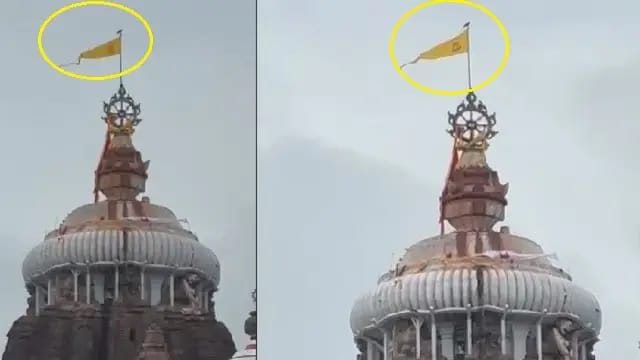
(f) A kite sitting on the Aruna Stambha again on September 4
Not just the Jagannath Temple, the Bhavishya Malika also describes the sitting of a kite or any other ominous bird on the Aruna Stambha situated in front of the Singhadwara of the temple as an inauspicious sign. On September 4, that is, just two days after the kite was seen atop the Shrimandir on September 2, a kite was also seen sitting on the Aruna Stambha. People viewed this too as a negative sign. Through this incident, many described the Malika prophecy written 600 years ago as coming true.
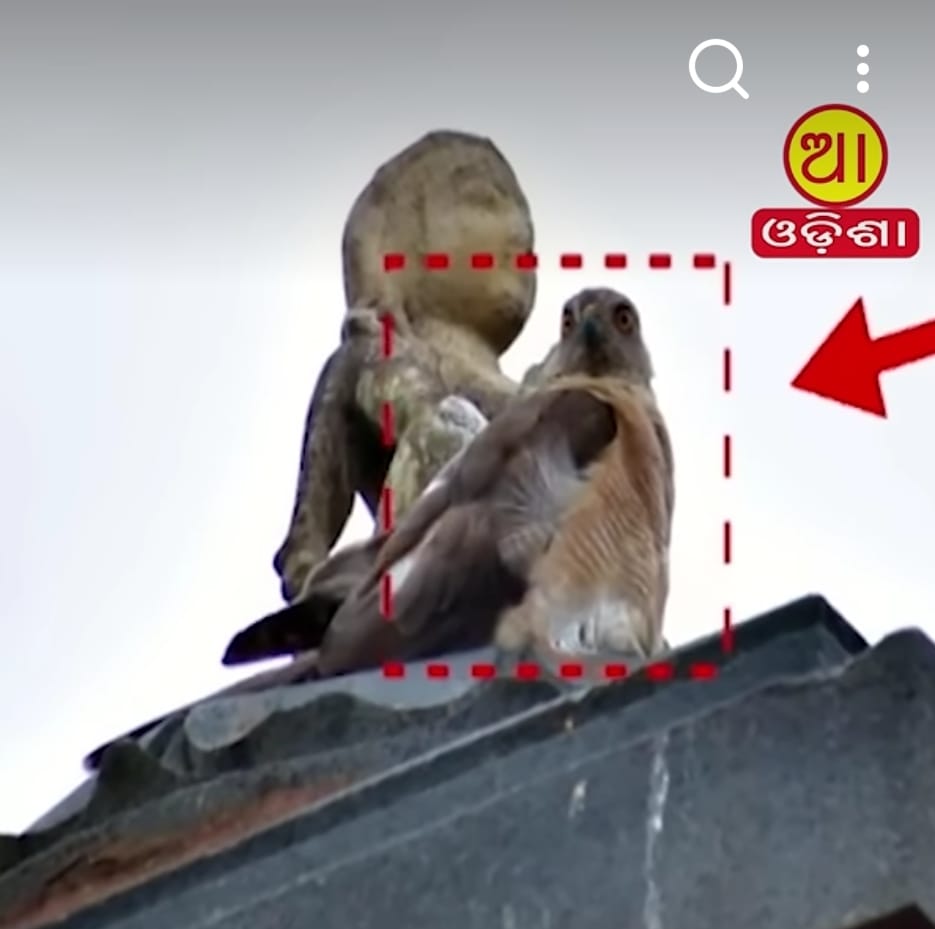
(g) A kite sitting atop the temple again on September 16
Within just 15 days of September 2, early in the morning of September 16, a kite was once again seen sitting atop the Patitapabana Bana of the temple.
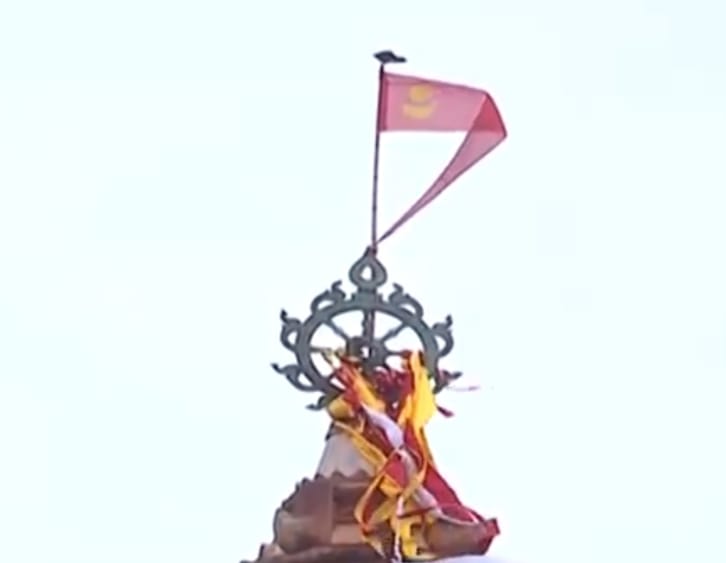
(h) Kite found sitting on the Patitapabana Bana of the Shrimandir again on October 14
A kite was found sitting atop the temple twice in the month of September. The sequence did not stop here; the residents of Puri witnessed a repetition of this incident once again on October 14. The repeated sitting of a kite atop the temple was described by many devotees as a sign of impending disasters.
(i) Countless kites circling above the Shrimandir on December 9
Just like on December 7, 2021, and August 17, 2022, a highly negative sign was witnessed on December 9, 2025, as well, when countless kites were found circling above the Jagannath Temple. This incident attracted the attention of not just devotees in Puri or Odisha, but also those living outside Odisha. Many devotees called this incident a sign of a major untoward event coming in the near future.
Fire breaks out in the Mahakaleshwar Temple premises in Ujjain
On May 5, 2025, at 12 PM, a fire broke out in the pollution control board's control room situated near the Shankh Dwara in the world-famous Baba Mahakaleshwar Temple premises in Ujjain. After this incident, panic ensued in the temple premises. After the fire broke out, the entry of devotees into the temple was stopped for some time.
Fire breaks out in the Peetha premises of Mahapurush Achyutananda Das
On the day of Devasnana Purnima, June 11, 2025, a fire breaking out in the Nemal Padmabana Peetha premises of Mahapurush Achyutananda Das situated in Nischintakoili, Cuttack was also seen as a highly inauspicious sign by Malika devotees. An atmosphere of terror prevailed among the crowd of thousands of devotees when the lamp-stand kept in the premises suddenly caught fire, and within moments, blazing flames began to erupt.
Nemal banyan tree cut down by the administration
At the beginning of August, the majority of the trunks of the ages-old banyan tree in front of the temple situated at the Sadhana Peetha of the primary author of the Malika texts, the great saint Shri Achyutananda Das, were cut down. Allegedly, such a step was taken by the administration for the development work of the Achyutananda Das Peetha. There was widespread opposition to this by the locals and priests, and upon their protest, only a few branches of the banyan tree were left uncut. It is to be noted that Mahapurush Achyutananda Das composed the Malika texts while sitting under the 'Nemal Banyan Tree' in a state of meditation. The cutting down of the Nemal banyan tree was seen as an extremely inauspicious sign by the Malika devotees.
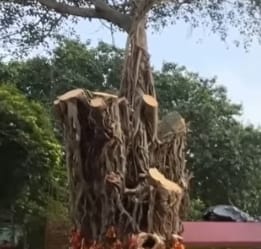
The golden flag installed on the peak of the Mahakaleshwar Temple falls down
On June 1, 2025, a negative sign was once again seen from the world-famous Mahakaleshwar Temple situated in Ujjain. Actually, due to strong winds, the golden flag installed on the peak of the Mahakaleshwar Temple suddenly fell down. The temple priest described this incident as a matter of concern from a religious perspective.
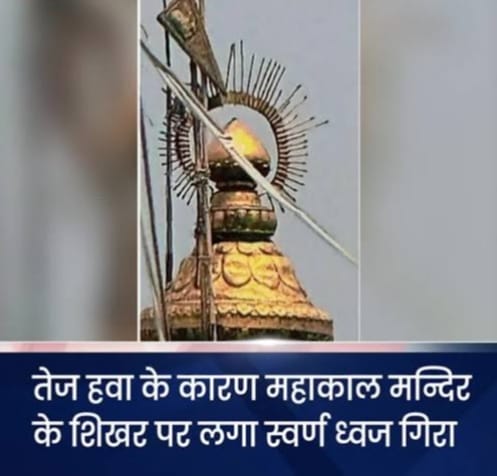
The mask of Lord Shiva made on the Shivalinga in the Mahakaleshwar Temple breaks and falls down
A unique incident took place on August 18 at the Mahakal Temple situated in Ujjain. Here, like every day at 8:00 PM during the adornment (Shringara) of the Shivalinga, a mask of Lord Shiva was made with Bhang (cannabis paste). A large quantity of Bhang was applied during this. Immediately after this, the Aarti was just about to begin when the Bhang Shringara broke and fell down. The nose, lips, and one eye broke from Lord Shiva's mask and fell down.
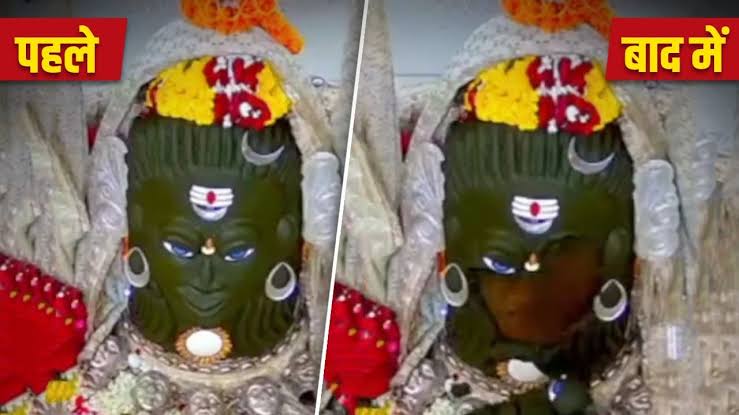
A supernatural sight seen in the Maa Samaleswari Temple
From the famous temple of Maa Samaleswari situated in Lakhanpur, Jharsuguda, Odisha, on the night of Thursday, August 21, 2025, devotees received a sign of the Goddess leaving Her idol and coming out. When the priest opened the temple doors early in the morning for the 'Mangala Alati', footprints going outwards, painted with Alta (red dye), belonging to the Goddess were seen, and along with this, Her sword (Khanda) and trident (Trishul), which were attached to the Goddess's idol, were found fallen on the side.
According to the 'Bhavishya Malika', in the final phase of Kali Yuga, before the establishment of Dharma, all Goddesses will leave their respective places and come out to engage in the task of annihilating the wicked and sinners. This incident is proof of that time having arrived and that prophecy coming true.
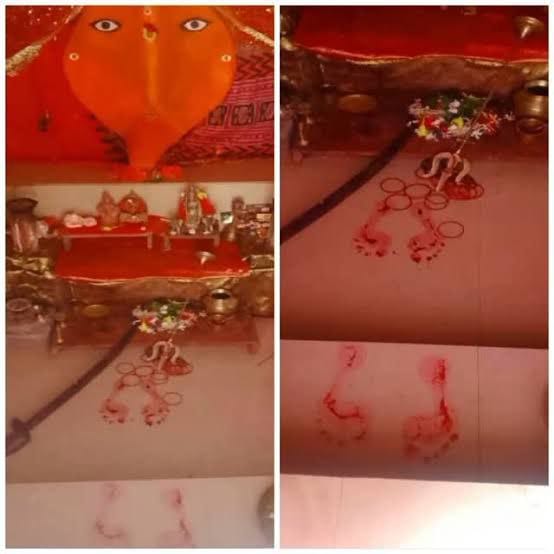
Fire breaks out in the divine idols in the Brahmagiri Jagannath Temple
On August 28, 2025, the idols of Lord Jagannath, elder brother Balabhadra, and mother Subhadra caught fire in the Brahmagiri Jagannath Temple located in Kandagoda village under Puri district of Odisha. Actually, after the completion of the evening worship, the priests went to their homes. At 8:30 PM, due to smoke coming out of the temple, when the temple door was broken, it was seen that the idols inside were on fire. After consulting the Muktimandapa, a Shaligrama was worshipped from that day onwards. Following the collection of Daru (sacred wood) in the upcoming Nabakalebara, new idols were installed.
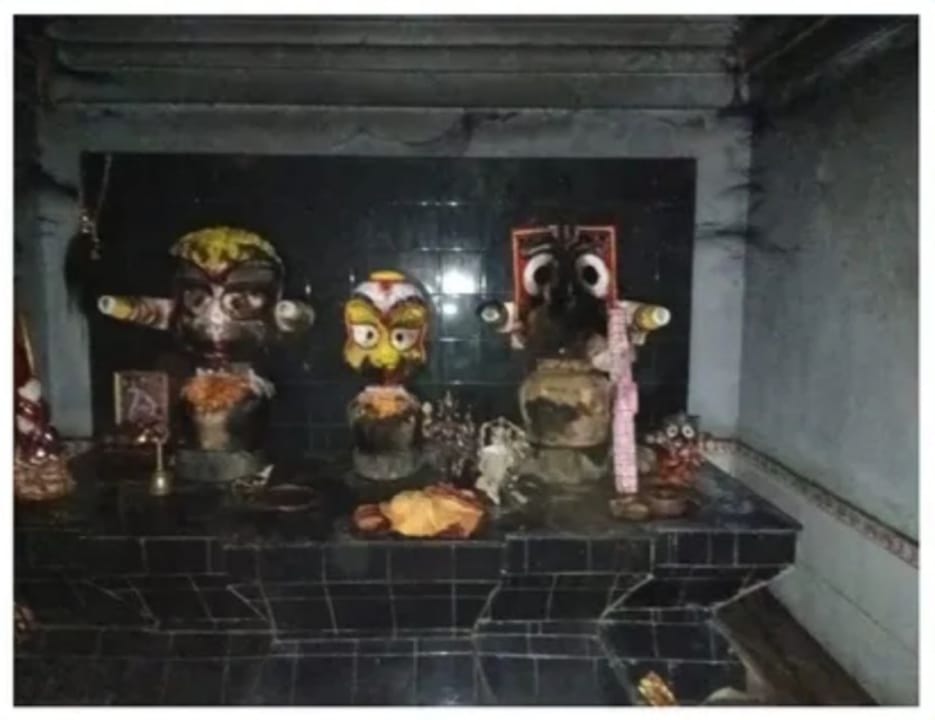
Sign of impending destruction received from the Lingaraj Temple, the temple's flagstaff breaks
On Monday, September 15, 2025, due to the wrath of torrential rains and wind, the flagstaff of the 11th-century built Lingaraj Temple situated in Bhubaneswar broke. On Tuesday morning, after it was seen by the servitors, a flag was hoisted on a new staff.
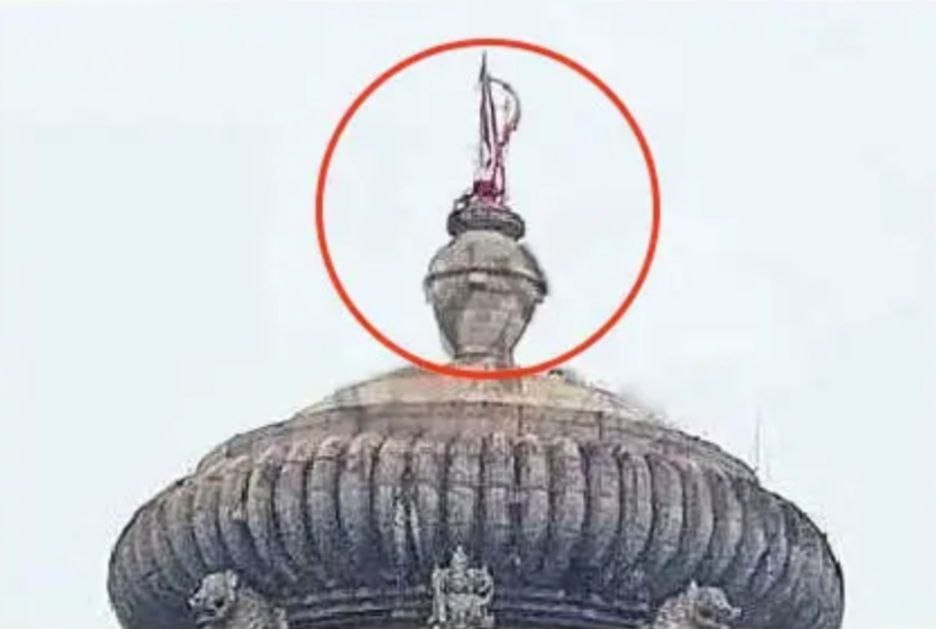
The flag on the peak of the Lingaraj Temple situated in Bhubaneswar tears due to heavy rain and storm. Sanctum sanctorum affected by a lightning strike; darkness envelops the temple.
Amidst torrential rain and a severe storm on Wednesday, October 8, 2025, the Lingaraj Temple situated in Odisha's capital, Bhubaneswar, became a victim of a lightning strike. This too was a sign of an untoward event. The temple's flag tore due to the storm, while the temple's CCTV cameras and lighting system were damaged by the lightning strike. It was reported that some devotees and servitors present in the temple also suffered electric shocks.
(j) For the first time in its 500-year history, Bal Bhog not offered in the Banke Bihari Temple in Vrindavan
Thakur Banke Bihari, who manifested about five hundred years ago, is offered Bhog (food offering) during four parts of the day. Before laying the seat for the morning Darshan, Bal Bhog is offered. Before the temple closes in the afternoon, Raj Bhog is offered, and when the doors open in the evening, Utthapan Bhog is offered. When the doors close, Shayan Bhog is offered. The contract to prepare the Bhog is given to a confectioner (Halwai). The confectioner prepares the Bhog and gives it to the servitors, and they offer the Bhog.
But on December 15 at 8:45 AM, the temple doors opened, but the confectioner did not arrive with the Bal Bhog. When contacted, it was found that the confectioner did not arrive due to non-payment of the monthly dues. For the first time in its 500-year history, such a thing happened when Bal Bhog could not be offered to Banke Bihari Ji on that day.
As we all know, the Rath Yatra has been organized every year on the Dwitiya Tithi of the Shukla Paksha of the Ashadha month. This tradition has always been followed in other Jagannath temples in India and abroad, including the Jagannath Temple in Puri. But over the last few years, there have been many occasions when ISKCON has been seen violating this tradition.
In this matter, after objections were raised by the Chief Administrator of the Shree Jagannath Temple Administration and the Chairman of the Shree Jagannath Temple Managing Committee, Gajapati Maharaj Divyasingha Deva, and a written complaint was made to the ISKCON headquarters situated in Mayapur, some improvements did certainly take place, but ISKCON is still being seen organizing untimely Rath Yatras in India and especially abroad.
In this sequence, ISKCON recently organized a Rath Yatra in Taiwan on November 23, 2025, which was criticized by the Odia community around the world and countless Jagannath devotees of Odisha. Devotees considered it not only a violation of traditional rules but also viewed it as a disregard for the command of Lord Jagannath Himself.
Recently, a major blunder has come to light in the 2026 English calendar issued by the Jagannath Temple Administration. Actually, a photo of the Ratnabedi is printed in the calendar in which the sequence of the Trinity is incorrect. From the viewer's perspective, in the calendar's photo, Lord Jagannath has been placed on the extreme left, then Goddess Subhadra, and then elder brother Balabhadra, whereas in the correct sequence, Lord Balabhadra should be on the extreme left, then Goddess Subhadra, and then Shri Jagannath. That is, the error is that in the calendar, the photo of elder brother Balabhadra is printed in place of Lord Jagannath, and Lord Jagannath's photo is in place of Lord Balabhadra. In addition to this, Chakraraj Sudarshan has not been given a place in the photo of the Ratnasinghasana in the calendar. Not only this, a photo of the Rath Yatra is also printed in the calendar, which shows Mother Subhadra's chariot first, followed by Supreme Lord Jagannath's chariot, and finally Lord Balabhadra's chariot.
Due to these errors, there is dissatisfaction and resentment in the minds of the devotees. There is also anger among the servitors of the Jagannath Temple regarding this incident. According to some devotees, this is a sign given by Lord Jagannath Himself of impending misfortunes and a change in the world order in the new year.
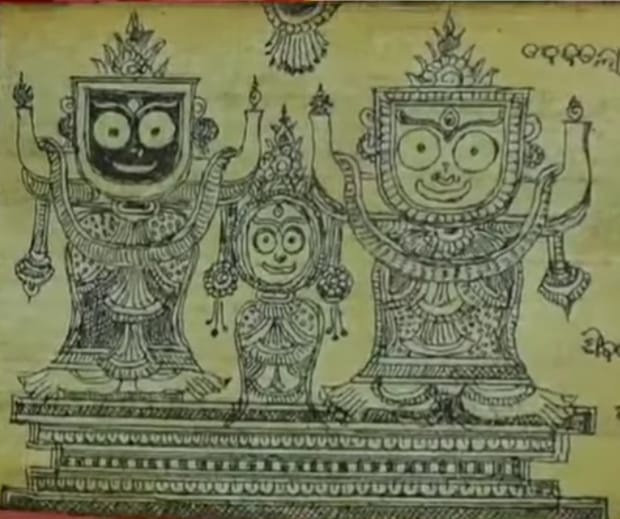
According to Bhavishya Malika, Lord Kalki has already been born. Not only Lord Kalki, but all the heroic warriors of the Mahabharata era such as Yudhishthira, Bhima, Arjuna, Nakula, Sahadeva, Bhishma, Drona, Ashwatthama, Karna, Shalya, Jayadratha, Barbarika, Abhimanyu, Babruvahana, Ekalavya, Ghatotkacha, Duryodhana, Shakuni, etc., have all taken rebirth on this earth. According to the Malika, this time all these warriors will fight together on the side of Dharma against Adharma.
However, we will not discuss other warriors here and will limit our words only to Parahbrahma Narayana Mahavishnu Lord Kalki Ram.
Mahapurush Achyutananda Das wrote in his Malika text ‘Shibakalpa Nabakhanda Nirghanta’ –
Odia Sloka:
ନୀଳଚକ୍ର ଧ୍ବଜା ଖସିବ ପ୍ରଭୁ ରଙ୍ଗା ଅଧର,
ଯୋଜନଗ୍ରେ ଜନମ ହୋଇବେ
ବିଷ୍ଣୁଶର୍ମା ଗୃହର।
Transliteration:
Nīḷachakra dhwajā khasiba prabhu raṅgā adhara,
yojanagre janama hoibe Biṣṇusharmā
gṛuhara.
I should clarify to the readers that this event has been seen many times from the Jagannath Temple, for example during the year 1990-91, during the year 2005, then during Cyclone Fani and Cyclone Amphan in the years 2019 and 2020 respectively, etc.
The Mahapurush wrote in his Malika text that the birth of Mahaprabhu Kalki will happen only after this event. Since this event has occurred, it can be said with certainty that Lord Kalki has been born. But since this event has occurred in several different years, it does not seem possible to reach the specific year of the Mahaprabhu's birth from this event alone.
To know in which year the Mahaprabhu was born, we will have to take the help of some other verses of the Malika.
Mahapurush Achyutananda Das writes in his Malika text ‘Tera Janma Sharana’ –
Odia Sloka:
ମାଘ ସପ୍ତମୀରେ ବିକାଶ ହୋଇବ ଦିବ୍ୟସିଂହ ନୃପବର,
ଅନନ୍ତ କେଶରୀ ରାଜତ୍ୱ
କରିବେ ଏହି ଏକାମ୍ର ନଗର।
କେଉଁ ଦିନ ତୁମ୍ଭେ ପ୍ରକାଶ ହୋଇବ କହେ ରାମଦାସ ଯହିଁ,
ବିଶାଖାପାଟଣା
ନୃପ ନାଶ ହେଲେ ମୁହିଁ ବିକାଶ ହୁଅଇ।
Transliteration:
Māgha saptamīre bikāsha hoiba Dibyasiṃha nṛpabara,
Ananta Keshari rājatwa karibe
ehi Ekāmra nagara.
Keuñ dina tumbhe prakāsha hoiba kahe Rāmadāsa
yahiñ,
Viśākhāpāṭaṇā nṛpa nāśa hele muhiñ bikāsha huai.
If we consider closely, we will find that through the sign, the Mahapurush is talking about the death of the Chief Minister of Andhra Pradesh, Y.S. Rajasekhara Reddy, which occurred in a helicopter accident in the year 2009. From the above verse, the Mahapurush is not telling the birth year of the Lord, but he is certainly stating that around the year 2009, the Kalki pastimes (leelas) will continue.
Mahapurush Achyutananda Das wrote in his ‘Jaiphula Malika’ –
Odia Sloka:
ସେହି ଶ୍ରୀ କୃଷ୍ଣ ଚୈତନ୍ୟ,
ଜନ୍ମିଛନ୍ତି ଆସି ଏହି ମର୍ତ୍ତ୍ୟେଣ ଲୋ
ଯାଇଫୁଲ,
ସତଚାଳିଶକୁ ତୁହି ଘେନ।
Transliteration:
Sehi Shrī Kṛuṣṇa Chaitanya,
janmichhanti āsi ehi martyeṇa lo
jāiphula,
satachāḷishaku tuhi ghena.
It is well known that this number 47 belongs to the King of Puri, Shri Dibyasingha Deb, which falls between the years 2005 and 2008.
Mahapurush Achyutananda Das writes in his Malika text ‘Kalpatika’ –
Odia Sloka:
ନୀଳାଦ୍ରି ଛାଡି ପ୍ରଭୁ ପୀତବାସ,
ମର୍ତ୍ତ୍ୟରେ ଜନ୍ମ ଲଭିବେ
ଅବଶ୍ୟ।
ଗୁଣରେ ଭେଦି ଭେଦ ଅଙ୍କେ ଜାଣ,
ଦେଲେ ଯେତେ ସାଲ ହେଲା ପ୍ରମାଣ।
ଏହି ସାଲରେ
ପ୍ରଭୁ ଜନମିବେ,
ଅଙ୍କ ପ୍ରମାଣ ଯେ କହିଲୁ ଏବେ।
ବିଂଶ ରେବ ଅଙ୍କ ଯେବଣ ଦିନ,
ଇନ୍ଦୁ ପରେ
ବିନ୍ଦୁ ଉଦେ ଗଗନ।
ଏମନ୍ତ ଲକ୍ଷଣ ଦେଖିବୁ ଯେବେ,
ପ୍ରଭୁ ଜନମ ହୋଇଥିବେ ତେବେ।
Transliteration:
Nīḷādri chhāḍi prabhu pītabāsa,
martyare janma labhibe abashya.
guṇare bhedi
bheda aṅke jāṇa,
dele jete sāla helā pramāṇa.
ehi sālare prabhu
janamibe,
aṅka pramāṇa je kahilu ebe.
biṃsha reba aṅka jebaṇa dina,
indu
pare bindu ude gagana.
emanta lakṣaṇa dekhibu jebe,
prabhu janma hoithibe
tebe.
It is well known that this number is the regnal year (Anka) of the King of Puri, Dibyasingha Deb, which points to one of the years between 2005 and 2008.
The Mahapurush again wrote in one of his Malika texts –
Odia Sloka:
ଏହି କଥାମାନ ନିଶ୍ଚୟ ଘଟିବ ଦିବ୍ୟସିଂହ ପଞ୍ଚଚାଳିଶ,
ଶୂନ୍ୟ ବାନା ଧରି
ଆସିବେ ଶ୍ରୀ ହରି ଧରିଣ କଳକୀ ବେଶ।
Transliteration:
Ehi kathāmāna nishchaya ghaṭiba Dibyasiṃha pañchachāḷisha,
shūnya bānā dhari āsibe
Shrī Hari dhariṇa Kaḷakī besha.
It is noteworthy that the 45th year of Maharaj Shri Dibyasingha Deb of Puri points to a year between 2005 and 2008.
Achyutananda Das Ji wrote again in his Malika text –
Odia Sloka:
ଅତି ଅନ୍ୟାୟ ହୋଇବ ସଂସାର,
କାହାରି ନ ଥିବ କୁଳ ବିଚାର।
ବହୁତ
ଉତ୍ପାତ ସଂସାରେ ହେବ,
ନିର୍ଭୟ ହୋଇ ଜଣେ କେ ନଥିବ।
ଦିବ୍ୟସିଂହ ଦେବ
ପଞ୍ଚଚାଳିଶେ,
ଆସିବେ ଶ୍ରୀ ହରି କଳକୀ ବେଶେ।
ନାଶିବେ ଯାବତ୍ ଅବନୀଭାର,
ଏଇଠୁ ହୋଇବ
ପୃଥବୀ ସଂହାର।
Transliteration:
Ati anyāya hoiba saṃsāra,
kāhāri na thiba kuḷa bichāra.
bahuta utpāta saṃsāre
heba,
nirbhaya hoi jaṇe ke nathiba.
Dibyasiṃha deba pañchachāliśe,
āsibe
Śrī Hari Kaḷakī beśe.
nāśibe jābat abanībhāra,
eithu hoiba pṛuthabī saṃhāra.
The Mahapurushas have stated the birth of Lord Kalki in several places across many texts.
In another of his Malika texts, ‘kalikalpa Gita’, Mahapurush Achyutananda Das wrote –
Odia Sloka:
ବିରଜା ପୀଠ ବୈତରଣୀ ନଦୀ,
ଦଶାଶନୀ ଘାଟ ଉଦୟ ଭେଦି।
ସପତ ମାତୃକା
ଟେକିଅଛି ଶିର,
ତାଙ୍କ ଅଧରୁ ବହିବ ରୁଧିର।
ସେହି ସଂକେତକୁ ଜାଣିଥାଅ ରାମ,
କଳଙ୍କି ଉଦୟ
ନିଶ୍ଚୟ ଜାଣ।
Transliteration:
Birajā pīṭha Baitaraṇī nadī,
Dashāshanī ghāṭa udaya bhedi.
Sapata mātṛkā
ṭekiachhi shira,
tāṅka adharu bahiba rudhira.
Sehi saṅketaku jāṇithāa
Rāma,
Kaḷaṅki udaya nishchaya jāṇa.
The Mahapurush writes that when blood flows from the lips, i.e., the mouths, of the Saptamatruka Mothers, it will be a sign from which devotees should understand that Lord Kalki has been born or his birth is extremely near.
It is well known that this event has already occurred in the Saptamatruka Temple, proving the prophecy of Mahapurush Achyutananda Das true.
According to the priests of the Biraja Temple, Jajpur, and the Saptamatruka Temple, and the local people there, the bleeding from the mouths of the Saptamatruka Mothers has already occurred in the year 2005.
Mahapurush Achyutananda Das wrote in his Malika text ‘Shibakalpa Nabakhanda Nirghanta’ –
Odia Sloka:
ଯେ ଦିନ ବିରଜା ଆସ୍ଥାନ ଛୋଡ଼ିବ ଭୀମ ସିଂହନାଦ ହେବ,
ଗର୍ଭସ୍ଥିତ
ଶିଶୁଭୂମିରେ ପଡ଼ିବେ ଭୁବନେଶ୍ୱରକୁ ଯିବ।
Transliteration:
Je
dina Birajā āsthāna choḍiba bhīma siṃhanāda heba,
garbhasthita śiśubhūmire paḍibe
Bhubaneśwaraku jiba.
It is well known that Maa Biraja left her seat in the year 2004. In the month of September 2004, some political people conspired and stole the idol of Maa Biraja (which is installed in the Biraja Temple, Jajpur). After about 6 months, in March 2005, the Mother's idol returned to the temple.
From the above six verses, it is clearly proven that Mahaprabhu Kalki has been born, and his time period is around the years 2005-2008. Therefore, let all readers be clear that the Kalki avatar is currently present on Earth.
According to the Puranas, the birthplace of Lord Kalki is Sambhal village. The Bhavishya Malika also states that Lord Kalki will be born in Sambhal village. Everyone is in agreement on this point.
Mahapurush Achyutananda Das wrote in his Malika text ‘Chakada Madana’ –
Odia Sloka:
ଭକ୍ତଙ୍କ କଷଣ ଦେଖି ପ୍ରଭୁ ଭଗବାନ,
କଳିରେ ସମ୍ବଳ ନଗ୍ରେ ଜନମ
ହୋଇଣ।
ବିଷ୍ଣୁଶର୍ମା ପିତାଙ୍କର ନାମଟି ଅଟଇ,
ମାତା ନାମ ସୁମତି ଯେ କହିଲୁ ବୁଝାଇ।
Transliteration:
Bhaktaṅka kaṣaṇa dekhi prabhu bhagabāna,
Kaḷire Sambaḷa nagre janama
hoiṇa.
Biṣṇusharmā pitāṅkara nāmaṭi aṭai,
mātā nāma Sumati je kahilu bujhāi.
The Mahapurush further wrote in ‘Chakada Madana’ –
Odia Sloka:
ସମ୍ବଳ ନଗରେ ପ୍ରଭୁ ସେ ଗୁପ୍ତେ ହେବେ ଜନମ,
ଛତିଆ ବଟରେ ଲାଗିବ
ଦିବାରାତ୍ରି ସଂଗ୍ରାମ।
Transliteration:
Sambaḷa nagare prabhu se gupte hebe janama,
Chhatiā baṭare lāgiba dibārātri
saṅgrāma.
Achyutananda Das Ji again wrote in his Malika text ‘Chakada Madana’ –
Odia Sloka:
ମାରୁ ମହରଗ ରାଜକର ଆସି ଘରେ ଘରେ ପଶିଯିବ,
ବାରଣ ବେଳରେ ସମ୍ବଳନଗ୍ରେ
କଳ୍କୀ ଉଦୟ ହୋଇବ।
Transliteration:
Māru maharaga rājakara āsi ghare ghare paśijiba,
bāraṇa beḷare Sambaḷanagre Kaḷkī
udaya hoiba.
The Mahapurush further wrote in ‘Chakada Madana’ –
Odia Sloka:
କହନ୍ତି ଅଚ୍ୟୁତ ଶୁଣ ରାମଦାସ ଭକତ ମୋ ଗଳା ମାଳ,
ଭକତ ନିମନ୍ତେ
ସମ୍ବଳନଗ୍ରେ ହେବି କଳ୍କୀ ଅବତାର।
Transliteration:
Kahanti Achyuta śuṇa Rāmadāsa bhakata mo gaḷā māḷa,
bhakata nimante Sambaḷanagre
hebi Kaḷkī abatāra.
Mahapurush Achyutananda Das writes in ‘Tera Janma Sharana’ –
Odia Sloka:
କଳକୀର ସୀମା କାଳ ପୂରିଗଲେ କଳ୍କୀ ବିଷ୍ଣୁଯଶା ପୁରେ,
ସମ୍ବଳ ଗ୍ରାମରେ
ଜାତ ହୋଇଥିବେ ମ୍ଲେଚ୍ଛ ସଂହାର କାଳରେ।
Transliteration:
Kaḷakīra sīmā kāḷa pūrigale Kaḷkī Biṣṇujashā pure,
Sambaḷa grāmare jāta hoithibe
mlechha saṃhāra kāḷare.
However, where 'Sambal' is located is a subject of conflict in many people's minds even today. In this article, we will resolve this.
Mahapurush Achyutananda Das writes in his Malika text ‘Jaiphula Malika’ –
Odia Sloka:
ସେହି ବେଳ କାଳ ଜାଣି,
ଓଡିଶାରେ ପ୍ରଭୁ ଜନ୍ମିବେ ପୁଣି ଲୋ
ଯାଇଫୁଲ,
କେହି ତାଙ୍କ ମାୟାକୁ ନ ଚିହ୍ନି।
Transliteration:
Sehi beḷa kāḷa jāṇi,
Oḍishāre prabhu janmibe puṇi lo jāiphula,
kehi tāṅka
māyāku na chinhi.
The Mahapurush again writes in one of his Malika texts –
Odia Sloka:
ଉତ୍କଳ ଭୂଇଁରେ କଳ୍କୀର ଜନମ,
ଗ୍ରାମ ନାମ ରାଜହଂସ।
କଳ୍କୀ ଜନମି
ଲୀଳା ପ୍ରକାଶିବ,
ଏହା କହିଲି ପ୍ରକାଶ୍ୟ।
Transliteration:
Utkala bhuiñre Kaḷkīra janama,
grāma nāma Rājahansa.
Kaḷkī janami līḷā
prakāśiba,
ehā kahili prakāshya.
Now, regarding where in Odisha Lord Kalki will be born, Mahapurush Achyutananda Das himself wrote in another Malika text, ‘Bhabishya Jatipataka Gita’ –
Odia Sloka:
ଓଡିଶା ଦେଶରେ ଗୁପ୍ତ ଗଙ୍ଗା ନଦୀ ତୀର,
ସମ୍ବଳ ନଗ୍ରେ ବିଷ୍ଣୁବିପ୍ର
ଦ୍ୱିଜବର।
Transliteration:
Oḍiśā deśare gupta Gaṅgā nadī tīra,
Sambaḷa nagre Biṣṇubipra dwijabara.
From both the above verses, it is absolutely clear that according to the Bhavishya Malika, Lord Kalki will be born in Sambal, which is located in the Indian state of Odisha.
One of the Panchasakhas, Mahapurush Jagannath Das, wrote in the Malika text ‘Bhabishyat Parardha’ –
Odia Sloka:
ଯାଜପୁର ସମ୍ବଳ ନଗ୍ରରେ,
ଦୁଇ ଜଣ ଅଛନ୍ତି ବ୍ରାହ୍ମଣ ଘରେ।
Transliteration:
Jājapura Sambaḷa nagrare,
dui jaṇa achhanti brāhmaṇa ghare.
Mahapurush Achyutananda Das wrote in his Malika text ‘Kalikalpa Gita’ –
Odia Sloka:
କ୍ଷୀର ନଦୀ ଦକ୍ଷିଣ ଯେ ବିରଜା ମଣ୍ଡଳ,
ଖ୍ୟାତ ଯେ କମଳପୁର ଗୁପ୍ତ ଯେ
ସମ୍ବଳ।
Transliteration:
Kṣhīra nadī dakṣhiṇa je Birajā maṇḍala,
khyāta je Kamalapura gupta je Sambaḷa.
Through this verse, the Mahapurush has revealed that Sambal is located in the Biraja region or Jajpur district of Odisha.
Let us understand where Sambal is located in Odisha through some more verses.
Mahapurush Achyutananda Das wrote in his Malika text ‘Gurubhakti Gita’ –
Odia Sloka:
ଗୟାରେ ସମ୍ବଳ ନଗ୍ର ବିଷ୍ଣୁଶର୍ମା ଘର,
ଜନମିଣ ତପସ୍ୟା କରିବେ ଚକ୍ରଧର।
Transliteration:
Gayāre Sambaḷa nagra Biṣṇusharmā ghara,
janamiṇa tapasyā karibe Chakradhara.
Mahapurush Achyutananda Das again wrote in his Malika text ‘Kalikalpa Gita’ –
Odia Sloka:
ବିଷ୍ଣୁଶର୍ମା ଗୃହେ ପ୍ରଭୁ ହୋଇବେ ଜାତ,
ଗୟାରେ ସମ୍ବଳ ନଗ୍ର ହରିହର
କ୍ଷେତ୍ର।
Transliteration:
Biṣṇusharmā gruhe prabhu hoibe jāta,
Gayāre Sambaḷa nagra Harihara kṣhetra.
According to both the above verses, the Lord's birth will take place in the Sambal Nagar of Gaya. Now, which Gaya that will be and where it is located in Odisha was told by Lord Krishna himself to his twelve Gopas, which Mahapurush Achyutananda Das quoted in his Malika text ‘Biraja Mahatmya’. The Mahapurush wrote –
Odia Sloka:
ଶୁଣ ବାର ସୁତ ନିହାର ବଚନ ଏ ଅଟେ ଅଚ୍ୟୁତ ଠାର,
ନାଭିଗୟା ତୀର୍ଥେ ହରିହର
କ୍ଷେତ୍ର ଗ୍ରାମଟି ସମ୍ବଳ ପୁର।
Transliteration:
Śuṇa bāra suta nihāra bachana e aṭe Achyuta ṭhāra,
Nābhigayā tīrthe Harihara
kṣhetra grāmaṭi Sambaḷa pura.
That is, the Harihara region is in the Nabhigaya pilgrimage site, which is called Sambal.
In the above discussions, we have seen in many places that the Mahapurush described the Mahaprabhu’s birthplace as the Biraja region or Gaya (Nabhigaya) pilgrimage site. Now we will know exactly where these regions are located, what the mythological beliefs related to them are, and what their significance is.
The 'Biraja Temple' is a major temple located on the banks of the Baitarani River in Jajpur, Odisha, where Adi Shakti is worshipped in the form of 'Biraja'. Actually, in ancient times, Brahma Ji himself performed a Yajna (sacrifice) here at the Brahmakunda, after which Mother Parvati emerged from the sacrificial fire and instructed Brahma Ji to establish her by the name 'Biraja'. The region is also called the Biraja region after the name of Goddess Biraja.
It was at this spot that the navel (Nabhi) of Goddess Sati fell, making it one of the 51 Shakti Peethas. This is the only temple where the Goddess is worshipped in the form of Mahishasura Mardini with two arms.
This place is also famous as Nabhigaya for Pinda Daan (ancestral offerings). In fact, it is the only Shakti Peetha where Pinda Daan is performed. Near the Brahmakunda, there is a deep well called Nabhikunda, with whose water people perform Pinda Daan for their ancestors. This place is also mentioned in the Skanda Purana.
It is mentioned in the Puranas that in the Satya Yuga, there was a demon named Gayasura. Although he was born into a demon clan, his heart was inspired by Dharma and penance. He was very religious, extremely powerful, and had a massive body. He always worked for the welfare of the world and the benefit of others. It is mentioned in the Puranas that the demon performed severe penance, with which Lord Vishnu was pleased, and the Lord asked him to seek a boon. Gayasura asked for a unique boon. He said, “May beings attain heaven just by my touch.” Lord Vishnu granted this boon seeing his intense penance. But as a result, Yamaloka (the world of the dead) began to become deserted, because whoever Gayasura touched went straight to heaven. This became a major problem for the gods and Yamraj. All the gods approached the Trinity (Brahma, Vishnu, Mahesh) and pleaded to find a solution to this trouble. The gods requested the Trinity to stop Gayasura. The Trinity decided to stop Gayasura, who was causing obstacles in the rules of creation despite being righteous. The three of them took the form of three Brahmins, went to Gayasura, and said they wanted to perform a Yajna continuously for seven days and for this, they needed a vast and holy place. They asked Gayasura to give his body for the Yajna, but he was not to move for these seven days. Gayasura agreed to this. Gayasura spread his head in Gaya (Bihar) where Lord Vishnu was seated, placed his navel region in Nabhigaya (Jajpur, Odisha) where Brahma Ji was seated, and placed his feet in Pithapuram (Andhra Pradesh) where Lord Shiva was seated, and thus the Yajna began. The Trinity performed the Yajna continuously for seven days.
Gayasura kept counting the days by hearing the rooster's crow in the morning. Knowing this, on the final day, Lord Shiva took the form of a rooster and crowed before the night was over. Hearing the rooster's sound, Gayasura thought it was morning and moved his body thinking the seven days were over. The Trinity immediately appeared before him and said that Gayasura had broken his promise to keep his body still for seven days. They said the punishment for breaking the promise was death. Righteous Gayasura accepted this without any complaint. The Trinity was pleased with his religiosity and asked him to seek a boon. Then Gayasura requested them that his name be remembered alongside the Trinity. He requested them to permanently adorn his body with the robes of Brahmins. He also requested the boon that if anyone's ancestors were given offerings (Pinda Daan and Tarpan) at these three places, they should not be reborn.
Accepting Gayasura's wish, Lord Vishnu took the form of Gadadhar in Gaya, Brahma Ji is worshipped in the form of Girija Devi in Nabhigaya, and Lord Shiva is worshipped in Pithapuram as Kukkuteshwar (the Lord who took the form of a rooster). In this way, these three places became famous for Pinda Daan and Tarpan:
The proof that the Nabhigaya pilgrimage site is located in Jajpur is also found in the Malika texts of the Panchasakha Mahapurushas.
In the Malika text ‘Chakada Madana’, Mahapurush Achyutananda Das writes –
Odia Sloka:
ଯାଜପୁରଠାରେ ନାଭିଗୟା ତୀର୍ଥ ଏକଥା ଜାଣ ସତ୍ୱର।
Transliteration:
Jājapurathāre Nābhigayā tīrtha ekathā jāṇa satwara.
Mahapurush Achyutananda Das, while predicting his tenth birth about 600 years ago, wrote in the Malika text ‘Kalikalpa Gita’ –
Odia Sloka:
ଦଶମ ଜନମ ମୋହର ହୋଇବ ପ୍ରକାଶ,
ଯାଜପୁର ନାଭିଗୟା ହରିହର ଖ୍ୟାତ।
Transliteration:
Daśama janama mohara hoiba prakāśa,
Jājapura Nābhigayā Harihara khyāta.
Through this verse as well, it is clear that the Nabhigaya pilgrimage site is located in Jajpur.
The Mahapurush writes on this same subject in his Malika text ‘Kalikalpa Gita’ –
Odia Sloka:
ଯାଜପୁର ପଞ୍ଚକୋଶ ବିରଜା ମଣ୍ଡଳ,
ନାଭିଗୟା ବିଷ୍ଣୁଶର୍ମା ଘରେ ହେବ ଖେଳ।
Transliteration:
Jājapura pañchakośa Birajā maṇḍala,
Nābhigayā Biṣṇusharmā ghare heba kheḷa.
Therefore, from the above discussion, it is absolutely clear that the Sambal Nagar, Gaya pilgrimage site, and Biraja region where the Panchasakhas predicted the birth of Lord Kalki, is actually located within the Jajpur district of Odisha.
To gain more clarity on the birthplace of Lord Kalki, we will take some more verses mentioned in the Malika.
Mahapurush Shishu Ananta Das wrote in his Malika text ‘Chumbaka Malika’ –
Odia Sloka:
କଳ୍କୀ ଅବତାରେ ଓଡିଶା ମଣ୍ଡଳେ ତୁମ୍ଭେ ଜନମ ହୋଇବ,
ଦୁଷ୍ଟ ଜନ ନାଶି
ଭକତଙ୍କୁ ଉଶ୍ୱାସୀ ଧର୍ମକୁ ତୁମ୍ଭେ ପାଳିବ।
Transliteration:
Kaḷkī abatāre Oḍiśā maṇḍaḷe tumbhe janama hoiba,
duṣhṭa jana nāśi bhaktaṅku uśwāsī
dharmaku tumbhe pāḷiba.
Mahapurush Achyutananda Das, quoting the Lord, writes in his Malika text –
Odia Sloka:
ଇନ୍ଦୁ ପରେ ବିନ୍ଦୁ ଦେଖିବ ଜାଣ,
ଆମ୍ଭ ଆବିର୍ଭାବ ଯାଜପୁରେଣ।
Transliteration:
Indu pare bindu dekhiba jāṇa,
āmbha ābirbhāba Jājapureṇa.
Mahapurush Achyutananda Das, in his Malika text ‘Jai Birachita Chautisha’, writes while repeating the Lord's own words exactly –
Odia Sloka:
ଯେତେବେଳେ ନୀଳାଚଳ ଛାଡିକରି ଯିବୁ,
ଯାଜପୁର ବିପ୍ର ଘରେ ଯାଇଁ
ଜନମିବୁ।
ଜଗିଥିବୁ ହେ। ଯେ ଯେତେ କହିଲେ ନ ଶୁଣିବୁ ହେ।
Transliteration:
Jetebeḷe Nīḷāchaḷa chhāḍikari jibu,
Jājapura bipra ghare jāiñ
janamibu.
Jagithibu he. Je jete kahile na śuṇibu he.
In the Malika text ‘Tatwabodhini’, Mahapurush Achyutananda Das writes –
Odia Sloka:
ଯାଜନଗ୍ରେ ପ୍ରଭୁ ଜନମ ହେବେ,
ଜନମ ହୋଇବେ ବ୍ରାହ୍ମଣ ଭାବେ।
Transliteration:
Jājanagre prabhu janama hebe,
janama hoibe brāhmaṇa bhābe.
Mahapurush Achyutananda Das wrote in his Malika text named ‘Bigyanakalpa’ –
Odia Sloka:
ଯାଜନଗ୍ରେ ମହାପ୍ରଭୁ ଜନମ ହୋଇବେ,
ଗରୁଡକୁ ସଙ୍ଗେ ଘେନି ଲୀଳା ଯେ କରିବେ।
Transliteration:
Jājanagre Mahāprabhu janama hoibe,
Garuḍaku saṅge gheni līḷā je karibe.
From the above verses, there is no longer any doubt that the birth of Mahaprabhu Kalki was certain to take place in Sambal Nagar, Nabhigaya pilgrimage site, Biraja region, Jajpur district, Odisha.
If we look at the Bhagavata Purana and Mahabharata written before the Bhavishya Malika, they also point towards Jajpur, Odisha regarding the birthplace of Lord Kalki.
In earlier times, Maharishi Vedavyas stated the birthplace of Lord Kalki as 'Sambhal village' in the Shrimad Bhagavata Mahapurana. He had written –
Sanskrit Sloka:
संभलग्राममुख्यस्य ब्राह्मणस्य महात्मनः ।
भवने विष्णुयशसः
कल्किः प्रादुर्भविष्यति ।।
Transliteration:
Śambhalagrāmamukhyasya brāhmaṇasya mahātmanaḥ |
bhavane viṣṇuyaśasaḥ kalkiḥ
prādurbhaviṣyati ||
Later, in the 'Vanaparva' of the Mahabharata, Maharishi Vyas himself modified this slightly and named the birthplace of Lord Kalki as 'Sambhoota Sambhal Grama'. He wrote –
Sanskrit Sloka:
कल्कि विष्णुयशा नाम द्विजः कालप्रचोदितः ।
उत्पत्स्यते
महावीर्यो महाबुद्धिपराक्रमः ।।
सम्भूतः सम्भलग्रामे ब्राह्मणावसथे शुभे ।
मनसा
तस्य सर्वाणि वाहनान्यायुधानि च ।।
उपस्थास्यन्ति योधाश्च शस्त्राणि कवचानि च ।
Transliteration:
Kalki Vishnuyashā nāma dwijaḥ kālaprachoditaḥ |
utpatsyate mahāvīryo
mahābuddhiparākramaḥ ||
sambhūtaḥ sambhalagrāme brāhmaṇāvasathe shubhe
|
manasā tasya sarvāṇi vāhanānyāyudhāni cha ||
upasthāsyanti yodhāshcha
shastrāṇi kavachāni cha |
Now, if we examine and search through the pages of history, we will find that the settlement of Brahmins established for Yajna and worship is located in the Jajpur district of Odisha.
In fact, the name of Jajpur was given in the 10th century after the title of the Somavamsi King Jajati (Yayati). King Jajati established this city and made Abhinav Jajatinagar his capital. Later, changing its name, it was first made Jajanagar and then Jajpur. King Jajati Keshari had brought about 10,000 Brahmins from Kannauj in Uttar Pradesh and settled them in Jajpur, Odisha, to perform ten Ashwamedha Yajnas (Dashashwamedha). Even today, the Dashashwamedha Ghat on the banks of the Baitarani River reminds us of this event. Anyway, Maharishi Vyas had pointed to this very colony of Brahmins settled in the eastern direction of the Biraja temple in Jajpur by calling it 'Sambhoota Sambhal Grama' in the 'Vanaparva' of the Mahabharata.
Any person interested in the Bhavishya Malika has no doubt about where Mahaprabhu Kalki will be born. They know very well that the Kalki avatar will be born in Sambal village located in Jajpur, Odisha.
They also have no doubt that after taking birth in Jajpur, the Lord will reside in a place named Khandagiri.
One of the Panchasakhas, Mahapurush Shishu Ananta Das, wrote in his Malika text ‘Chumbaka Malika’ –
Odia Sloka:
ଏହି କଳିଯୁଗେ କଳ୍କୀ ଅବତାରେ ହରି,
ଶ୍ରୀ ଖଣ୍ଡଗିରିରେ ଥିବେ ପ୍ରଭୁ ବିଜେ
କରି।
Transliteration:
Ehi kaliyuge Kalki abatare Hari,
Shri khaṇḍagirire thibe prabhu bije kari.
Mahapurush Achyutananda Das writes in his ‘Agata Bhabishyata Malika’ –
Odia Sloka:
ଗୋପନେ ମୁକୁନ୍ଦ ଯେ ଆସି,
ଖଣ୍ଡଗିରିରେ ଥିବେ ବସି।
Transliteration:
Gopane Mukunda je asi,
Khandagirire thibe basi.
Mahapurush Sishu Ananta Das wrote again in one of his Malika texts, 'Patta Madana' –
Odia Sloka:
ଭକତ ସୁମେଳ ହୋଇ ଏକ ଠୁଳ ଖଣ୍ଡଗିରି ପାଶେ ଯିବେ,
ଅନନ୍ତ ମୂରତି ଦର୍ଶନ
ସାରିଣ ସର୍ବେ ସର୍ବଙ୍କୁ ଚିହ୍ନିବେ।
Transliteration:
Bhakata sumeḷa hoi eka ṭhuḷa Khaṇḍagiri pāshe jibe,
ananta mūrati darshana sāriṇa
sarbe sarbaṅku chinhibe.
Up to this point, everyone agrees, but people's doubt arises regarding where this Khandagiri is located. Nowadays, through some videos and PDFs, various claims are being made about Khandagiri. According to some people, this place named Khandagiri, where the Lord will reside, is located in Jajpur, Odisha, while some others say that Khandagiri is located in the Dhenkanal district of Odisha.
Through this article, let me state that whatever names were mentioned above regarding Khandagiri (Jajpur, Dhenkanal), they are both completely wrong.
Explaining where Khandagiri is located, one of the Panchasakhas, Mahapurush Yasovanta Das, wrote in his Malika text ‘Basanta Manjari’ –
Odia Sloka:
ଖଣ୍ଡଗିରି ମହିମା କହିତ ନୁହଁଇ,
ଲକ୍ଷ ଲକ୍ଷ ଭକ୍ତ ତହିଁ ସେଠାରେ
ଅଛଇ।
ଗୁପତ ଲୀଳା ହୋଇବ ଖଣ୍ଡଗିରି ଠାରେ,
ତପସ୍ୟାରେ ରହିଥିବେ ଋଷିଙ୍କ ସଙ୍ଗରେ।
ଗୁପ୍ତ
ଗଙ୍ଗା ସେକାଳରେ ବାହାର ହୋଇବ,
ଭୁବନେଶ୍ୱରକୁ ସେହି ଭସାଇଣ ଦେବ।
ତ୍ରିଭୁବନ ସ୍ୱର କଥା କହିତ
ନୁହଁଇ,
ବାରଭୁଜା ଦୁର୍ଗାମାତା ଜଗି ରହିଛଇଁ।
ଆହୁରି କଥାଏ ବାବୁ ଶୁଣ ମନଦେଇ,
ଭୂଆସୁଣୀ
ଜଗିଅଛି ସେଠାବକୁ ତହିଁ।
Transliteration:
Khaṇḍagiri mahimā kahita nuhañi,
lakṣha lakṣha bhakta tahin seṭhāre
achhai.
Gupata līḷā hoiba Khaṇḍagiri ṭhāre,
tapasyāre rahithibe ruṣhiṅka
saṅgare.
Gupta Gaṅgā sekāḷare bāhara hoiba,
Bhubaneśwaraku sehi bhasāiṇa
deba.
Tribhubana swara kathā kahita nuhañi,
bārabhuja Durgāmātā jagi
rahichhaiṃ.
Āhuri kathāe bābu śuṇa manadei,
Bhūāsuṇī jagiachhi seṭhābaku
tahiñ.
In the above shloka, the Mahapurush clarified that Khandagiri is located in Bhubaneswar.
Describing the location of Khandagiri, Mahapurush Achyutananda Das also wrote in his Malika text ‘Chakada Madana’ –
Odia Sloka:
ଭୁବନେଶ୍ୱରରେ ଲାଗିବ ଗୋଳ,
ଏକାମ୍ର ବନ ଯେ ଅଛି ସେଠାର।
ଖଣ୍ଡଗିରି
ସିଦ୍ଧ ସାଧୁ ଅଛନ୍ତି,
କଳ୍କୀ ରୂପକୁ ଧ୍ୟାନ କରନ୍ତି।
କ୍ଷୀର ଧାର ବହିଯାଏ
ଗୁପ୍ତର,
ଗୁମ୍ଫାରେ ଭଜନ ହୁଏ ସତ୍ୱର।
ଘଟଣା ସ୍ଥାନ ଯେ ଅଟଇ ସେହି,
କଳିର ଭାରତ ଯୁଦ୍ଧ
ସେଠାହିଁ।
ଉଦୟଗିରି ଯେ ଅପୋଡା ସ୍ଥାନ,
ସେଠାବରେ ବହୁ ସାଧୁ ଆଶ୍ରମ।
Transliteration:
Bhubaneśwarare lāgiba goḷa, ekāmra bana je achhi seṭhāra.
Khaṇḍagiri siddha sādhu
achhanti, Kaḷkī rūpaku dhyāna karanti.
Kṣhīra dhāra bahijāe guptara, gumphāre
bhajana hue satwara.
Ghaṭaṇā sthāna je aṭai sehi, Kaḷira bhārata yuddha
seṭhāhiñ.
Udayagiri je apoḍā sthāna, seṭhābare bahu sādhu āśrama.
Through the above shloka, the Mahapurush clearly stated that the Khandagiri where countless saints will reside, where the secret chanting of Kalki's name will go on in caves, and where the remaining battle of Mahabharata will occur, is located in Bhubaneswar, where the Ekamra forest is also situated.
Here I would like to draw the readers' attention to an important fact. In Malika texts, Bhubaneswar is often called Ekamra Kshetra, Ekamra Van, or Ekamra Kanan. In fact, according to the 13th-century Ekamra Purana, there used to be only a single mango tree near the place of the presiding deity Lingaraj. Therefore, the Lingaraj area is also called Ekamra Kshetra (the area with one mango tree).
This is the reason why Mahapurushas have many times called Bhubaneswar Lingaraj Kshetra (the area of Lingaraj temple) or Ekamra Van Kshetra (the area of the single mango tree).
Not only this, due to the location of Bindu Sarovar in Bhubaneswar, the Panchasakhas in their Malika texts have also addressed Bhubaneswar as the Bindu Sarovar region.
The Mahapurush wrote clarifying in 'Garuda Gita' –
Odia Sloka:
ଭୁବନେଶ୍ୱର ଯେ ଏକାମ୍ର କାନନ ଏ ସବୁ ମୋ ଗୁପ୍ତ ସ୍ଥାନ,
ଆଉ ପୃଥ୍ବୀରେ
ଯେତେ ସିଦ୍ଧ ସ୍ଥାନ ପୁରାଣେ ଅଛି ବର୍ଣ୍ଣନ।
Transliteration:
Bhubaneśwara je ekāmra kānana e sabu mo gupta sthāna,
āu pruthwīre jete siddha
sthāna purāṇe achhi barṇana.
Mahapurush Achyutananda Das wrote in his Malika text 'Chhayalisha Patala' –
Odia Sloka:
ଭୁବନେଶ୍ୱର ଏକାମ୍ରରେ,
ରହିବେ ଭକ୍ତ ତିନିଘରେ।
Transliteration:
Bhubaneśwara Ekāmrare, rahibe bhakta tini ghare.
Mahapurush Sishu Ananta Das wrote in his Malika text 'Chumbaka Malika' –
Odia Sloka:
ଭୁବନେଶ୍ୱର ସୀମା ଖଣ୍ଡଗିରିରେ,
ପଞ୍ଚବିଂଶ ଭକ୍ତ ଥିବେ ତଟରେ।
Transliteration:
Bhubaneśwara sīmā Khaṇḍagirire, pañchabiṃśha bhakta thibe taṭare.
The Mahapurush further writes in 'Chakada Madana' –
Odia Sloka:
ଭୁବନେଶ୍ୱରରେ ଗୋଳ ଖଣ୍ଡଗିରି ଠାର,
ଭାବି କହଇ ଅଚ୍ୟୁତୀ ନିଜ ନାମ ସ୍ମର।
Transliteration:
Bhubaneśwarare goḷa Khaṇḍagiri ṭhāra,
bhābi kahai Achyutī nija nāma smara.
One of the Panchasakhas, Mahapurush Yasovanta Das, writes in his Malika text –
Odia Sloka:
ଭୁବନେଶ୍ୱର ଠାରେ ଜାଣ,
ବିନ୍ଦୁ ସେ ସରୋବର ପୁଣ।
Transliteration:
Bhubaneśwara ṭhāre jāṇa,
Bindu se sarobara puṇa.
Mahapurush Yasovanta Das writes in his Malika text ‘Bhavishyata Parardha’ –
Odia Sloka:
ଭୁବନେଶ୍ୱର ଲିଙ୍ଗରାଜ ସ୍ଥଳୀ,
ଦୁଇ ପୁରୁଷ ଏକଜଣ ସ୍ତିରୀ।
Transliteration:
Bhubaneśwara Liṅgarāja sthaḷī,
dui puruṣha ekajaṇa stirī.
If we take the help of Google, even then we can easily know that whether it is Khandagiri or Ekamra Kanan or Bindu Sarovar or Lingaraj temple, all are located in Bhubaneswar itself.
Khandagiri, which will be the Lord's residence, where many saints will be chanting Kalki's name—to explain that this Khandagiri is located in Bhubaneswar (Ekamra Kshetra), Mahapurush Achyutananda Das wrote again in ‘Chakada Madana’ –
Odia Sloka:
ଖଣ୍ଡଗିରି ପାଦଦେଶେ ଭରତ ପାଦୁକା,
ଛଦ୍ମବେଶୀ ସାଧୁ ପୂଜା କରୁଅଛି
ଏକା।
ଗୁପ୍ତଗଙ୍ଗା ବହିଅଛି ଗୁପ୍ତ ଖଣ୍ଡଗିରି,
ସିଦ୍ଧ ସାଧୁ ଗୁପ୍ତ ବେଶେ ରହିଛନ୍ତି
ପୁରି।
ଏକାମ୍ର ବନ ଅଟଇ ଶିବ ଯୋଗ ସ୍ଥାନ,
ଶୁକପକ୍ଷୀ ପାଇଲା ଯେଉଁଠି
ବ୍ରହ୍ମଜ୍ଞାନ।
ଭୂଆସୁଣୀ ଦେବୀ ଅଛି ଜାଣିଥା ସତ୍ୱର,
ସେ ଦେବୀ ଘାତରେ ପୃଥବୀ ହେବ କମ୍ପମାନ।
Transliteration:
Khaṇḍagiri pādadeśe Bharata pādukā, chhadmabeśī sādhu pūjā karuachhi
ekā.
Guptagaṅgā bahiachhi gupta Khaṇḍagiri, siddha sādhu gupta beśe rahichhanti
puri.
Ekāmra bana aṭai Śiba yoga sthāna, śukapakṣhī pāilā jeuṇṭhi
brahmajñāna.
Bhūāsuṇୀ debī achhi jāṇithā satwara, se debī ghātare pruthibī heba
kampamāna.
I would like to tell the readers here that in one of the verses above, the Mahapurush said that Khandagiri is located in the Ekamra forest area and many saints are performing penance in Khandagiri. A river is also flowing there secretly. In this current verse, the Mahapurush is repeating the same thing.
Mahapurush Achyutananda Das wrote again in his ‘Tera Janma Sharana’ –
Odia Sloka:
ଲୀଳା ପ୍ରକାଶିବ ଲୀଳାମୟଙ୍କର ସତ୍ୟ ଯେ ଏକାମ୍ର ବନ,
ଲୀଳା କରୁଥିବେ
ଅନନ୍ତ ମାଧବ ସର୍ବେ ଆନନ୍ଦ ହୋଇଣ।
Transliteration:
Līḷā prakāśiba līḷāmayankara satya je Ekāmra bana,
līḷā karuthibe Ananta Mādhaba
sarbe ānanda hoiṇa.
Mahapurush Achyutananda Das wrote again in his ‘Aagata Bhavishyata Malika’ –
Odia Sloka:
କଳା ଧଳା ଅଶ୍ୱ ଉପରେ ପ୍ରଭୁ ହେବେ ବାହାର,
ଭୁବନେଶ୍ୱରରେ ରହିବେ ପ୍ରଭୁ
ରଙ୍ଗା ଅଧର।
ଖଣ୍ଡଗିରି ସିଦ୍ଧ ସ୍ଥାନରେ ଯେତେ ଅଛନ୍ତି ଋଷି,
ସକଳେ ବାହାର ହୋଇବେ ପ୍ରଭୁ
ନାମକୁ ଘୋଷି।
ସକଳେ ସେବେଳେ ଠୁଳ ଯେ ହେବେ ବିନ୍ଦୁ ସାଗର,
କପିଳେଶ୍ୱରରେ ଭେଟିଣ ହୋଇବେ
ସୂପକାର।
Transliteration:
Kaḷā dhaḷā ashwa upare prabhu hebe bāhāra,
Bhubaneshwarare rahibe prabhu raṅgā
adhara.
Khaṇḍagiri siddha sthānare jete achhanti ruṣi,
sakaḷe bāhāra hoibe
prabhu nāmaku ghoṣi.
Sakaḷe sebeḷe ṭhuḷa je hebe Bindu Sāgara,
Kapileshwarare
bheṭiṇa hoibe sūpakāra.
In the above verse also, Khandagiri is called a perfected place which will be the residence of many sages and monks. And it is also said that whether it is Khandagiri or Bindu Sarovar or Kapileshwar Temple, all these are located in Bhubaneswar and are near each other.
One of the Panchasakhas, Mahapurush Sishu Ananta Das, when asked by his disciple Baranga Das where Lord Kalki will take birth and where He will reside, explains in his Malika text ‘Chumbaka Malika’ –
Odia Sloka:
ଶୁଣ ହେ ବାରଙ୍ଗ କହିବା ସେ ରଙ୍ଗ ପ୍ରଭୁ ଅବତାର ସ୍ଥାନ,
ଶ୍ରୀ ବିରଜା
କ୍ଷେତ୍ରେ ଜନମ ଲଭିବେ ଅନନ୍ତ ମିଶ୍ର ଗୃହେଣ।
ଜନମ ହୋଇବେ ଗୃହକୁ ଛାଡିବେ ତପସ୍ୟା କରିବେ
ଯାଇଁ,
ସିଦ୍ଧଗିରି ସ୍ଥାନ ସିଦ୍ଧଙ୍କ ସଦନ ରହିବେ ସେ ଭାବଗ୍ରାହୀ।
ଖଣ୍ଡଗିରି ସ୍ଥାନ ଏକାମ୍ର
କାନନ ସୁବର୍ଣ୍ଣଚ୍ୟୁତ ଗିରିରେ,
ସେହି ସ୍ଥାନେ ପ୍ରଭୁ ବିଜେ କରିଥିବେ ଭକ୍ତ ଜନ
ସଙ୍ଗତରେ।
ଶ୍ରୀ ଅନନ୍ତ ବାସୁଦେବ ବିପ୍ରଲିଙ୍ଗ ଭେଟ ସେ ଯହିଁ ଆଗରେ,
ବିନ୍ଦୁସାଗରେ ସ୍ନାନ
ବିଧି ସାରିଣ ସିଦ୍ଧ କେଦାର ମଧ୍ୟରେ।
ଶ୍ରୀ ବିନ୍ଦୁ ସାଗରେ ସ୍ନାନ ସାରିବେ ସମସ୍ତ ଭକତ
ମିଳି,
ନିଜ କଳା ଭକ୍ତି କଳା ପ୍ରକାଶିବେ ଛାଡିବେ କଳିର ମଳି।
Transliteration:
Shuṇa he bāraṅga kahibā se raṅga prabhu abatāra sthāna,
Shrī Birajā kṣetre janama
labhibe Ananta Mishra gruheṇa.
Janama hoibe gruhaku chhāḍibe tapasyā karibe
jāiñ,
Siddhagiri sthāna siddhaṅka sadana rahibe se bhābagrāhī.
Khaṇḍagiri
sthāna Ekāmra kānana Subarṇachyuta girire,
sehi sthāne prabhu bije karithibe bhakta
jana saṅgatare.
Shrī Ananta Bāsudeba bipraliṅga bheṭa se jahiñ
āgare,
Bindusāgare snāna bidhi sāriṇa siddha Kedāra madhyare.
Shrī Bindu
Sāgare snāna sāribe samasta bhakata miḷi,
nija kaḷā bhakti kaḷā prakāshibe chhāḍibe
kaḷira maḷi.
The Mahapurush also said that all the devotees will bathe in that same Bindu Sarovar, after which the divine light will manifest in the devotees, and they will all be rid of the filth of Kali Yuga.
Through the above verse, Sishu Ananta Dasji clarified that where the Shri Ananta Vasudev temple is, where the Kedareshwar temple is, where Lingaraj is present, in that same Bhubaneswar (Ekamra Van region), Khandagiri is located. This Khandagiri is the region of perfected saints, and the Lord will reside here.
An incarnation of Achyutananda Dasji, Saint Hadi Das, wrote in his Malika text ‘Kali Chautisha’ –
Odia Sloka:
କର୍ଣ୍ଣ ଦେଇ ଶୁଣ ସୁଜନେ କଳିଯୁଗ ବିଚାର,
କଳ୍କୀ ରୂପରେ ଜନମ ହେବେ ଶ୍ରୀ
ଚକ୍ରଧର।
କ୍ଷୀର ଧାର ବହି ଯାଉଛି ସ୍ଥାନ ଅମରାବତୀ,
ଖଣ୍ଡଗିରି ସ୍ଥାନ ଗୁପତେ ସିଦ୍ଧ ସାଧୁ
ଅଛନ୍ତି।
ଗୁମ୍ଫାରେ ଭଜନ ଲାଗିଛି ରାତ୍ର ଦିନ ମଧ୍ୟରେ,
ଗୁପତେ ଖେଳ ସେ ଖେଳିବେ ପ୍ରଭୁ ସେହି
ଠାବରେ।
ଝାଡଖଣ୍ଡଗିରି ଗୁମ୍ଫା ମଧ୍ୟରେ ପ୍ରଭୁଙ୍କର ସେ ଠାବ,
ଝଲମଲ ଜ୍ୟୋତି ବାହାରେ ଲୀଳା ଚହଟ
ହେବ।
Transliteration:
Karṇa dei shuṇa sujane kaḷiyuga bichāra,
Kaḷkī rūpare janama hebe Shrī
Chakradhara.
Kṣīra dhāra bahi jāuchhi sthāna Amarābatī,
Khaṇḍagiri sthāna
gupate siddha sādhu achhanti.
Gumphāre bhajana lāgichhi rātra dina
madhyare,
gupate kheḷa se kheḷibe prabhu sehi ṭhābare.
Jhāḍakhaṇḍagiri gumphā
madhyare prabhuṅkara se ṭhāba,
jhalamala jyoti bāhāre līḷā chahaṭa heba.
Saint Hadi Das wrote in his Malika text ‘Kali Chautisha’ –
Odia Sloka:
ଘଟଣା ପ୍ରତିମା ପୁରୁଷ ଲିଙ୍ଗରାଜଙ୍କ ପୁର,
ଘୋର କଳି ମହାଭାରତ ହେବ ସେହି
ଠାବର।
Transliteration:
Ghaṭaṇā pratimā puruṣha Liṅgarājaṅka pura,
ghora kaḷi mahābhārata heba sehi
ṭhābara.
Later, Hadi Das wrote – Bhubaneswar or the Lingaraj region is the “Ghatana Sthana” and the Kali Mahabharata war will take place there.
This means that what Achyutananda Das is saying about Khandagiri in ‘Chakada Madana’ is exactly what his incarnation, Hadi Das, is saying about the Lingaraj region (Bhubaneswar) in ‘Kali Chautisha’. This proves that both places, i.e., Khandagiri and Bhubaneswar, are pointing to the same place. In short, Khandagiri is in Bhubaneswar.
Note – So far in the many verses above, we have learned that Khandagiri in Bhubaneswar is the region of perfected and holy saints. Those saints are absorbed in the bhajan-kirtan of Lord Kalki day and night in the caves of Khandagiri. Now we will learn which main sages and monks will be performing penance for Lord Kalki in that Khandagiri and how many sages in total will be performing bhajan-kirtan in the caves.
Mahapurush Achyutananda Das writes in his ‘Aagata Bhavishya Prabandha Malika’ –
Odia Sloka:
ଖଣ୍ଡଗିରିକି ଯେ ଭୁବନେଶ୍ୱର କେତେକ ଦୂର,
ଖଣ୍ଡଗିରି ମଧ୍ୟେ ଅଛନ୍ତି
ସାଧୁସନ୍ଥ ନିକର।
ନାରଦ ମାର୍କଣ୍ଡ ଶମ୍ଭୁ ଯେ ଅଗସ୍ତି ଉପଲସ୍ତି,
ଦୁର୍ବାସା କଶ୍ୟପ ଚ୍ୟବନ
କୁମ୍ଭଋଷି ସନ୍ତତି।
ପରାଶର ବଶିଷ୍ଠାଦି ହୋ ବିଶ୍ୱାମିତ୍ରଙ୍କୁ ଘେନି,
ଷାଠିଏ ସହସ୍ର ଋଷି ହୋ
ଗିରି ମଧ୍ୟରେ ପୁଣି।
ଦେବଋଷି ବ୍ରହ୍ମଋଷି ଯେ ସର୍ବେ ମେଳି ହୋଇଣ,
ଗୁମ୍ଫାରେ ଭଜନ କରନ୍ତି
କଳ୍କୀ ନାମ ପୁଣ।
ଦେବତାମାନେ ଯେ ସେଠାରେ ରାତ୍ରେ ଗୋଷ୍ଠୀ କରନ୍ତି,
କଳ୍କୀର ଆଦ୍ୟ ମନ୍ତ୍ରକୁ
ନିତ୍ୟେ ଜପୁଛନ୍ତି।
Transliteration:
Khaṇḍagiriki je Bhubaneshwara keteka dūra,
Khaṇḍagiri madhye achhanti sādhusantha
nikara.
Nārada Mārkaṇḍa Shambhu je Agasti Upalasti,
Durbāsā Kashyapa Chyabana
Kumbharuṣi santati.
Parāshara Bashiṣṭhādi ho Bishwāmitraṅku gheni,
ṣāṭhie
sahasra ruṣi ho giri madhyare puṇi.
Debaruṣi Brahmaruṣi je sarbe meḷi
hoiṇa,
gumphāre bhajana karanti Kaḷkī nāma puṇa.
Debatāmāne je seṭhāre rātre
goṣṭhī karanti,
Kaḷkīra ādya mantraku nitye japuchhanti.
In this verse, Garudaji not only told about the sages performing penance in the caves of Khandagiri but also stated that the Khandagiri cave will not be far from Bhubaneswar, or rather, will be located very close.
From the 15 verses above, it must have become clear to the readers that according to Bhavishya Malika, Khandagiri—where Kalki will reside, where countless perfected saints will be living, where the bhajan-kirtan of Kalki's name will be going on continuously in caves, where a river will flow secretly, where the remaining battle of Mahabharata will take place—is located only in Bhubaneswar or the Lingaraj region or the Ekamra Van region, and nowhere else.
As we all know, the Lord takes ten incarnations on this Earth to establish righteousness (Dharma). Whether it is Satya Yuga, Treta Yuga, or Dvapara Yuga, the purpose of the Lord's incarnation on Earth remains the same—the establishment of Dharma.
In the Shrimad Bhagavad Gita, Lord Krishna said to Arjuna –
Sanskrit Sloka:
परित्राणाय साधूनां विनाशाय च दुष्कृताम् ।
धर्मसंस्थापनार्थाय
संभवामि युगे युगे ।।
In the Bhavishya Malika texts also, it is mentioned that for the destruction of the wicked, the protection of devotees and saints, and the re-establishment of Dharma, Lord Maha Vishnu will descend on Earth in His tenth and final, Kalki incarnation.
The dialogue between Lord Krishna and friend Arjuna in Dvapara Yuga was quoted about 600 years ago in Kali Yuga by Mahapurush Achyutananda Das in his Malika text 'Chausathi Patala'. The Mahapurush wrote –
Odia Sloka:
ପାପ ଭାରା ପୃଥ୍ବୀ ସହି ନପାରି,
ମୋ ଆଗରେ କଲା ବେଗେ
ଗୁହାରି।
କଳ୍କୀ ଅବତାର ମୁହିଁ ହୋଇବି,
ଦୁଷ୍ଟ ପ୍ରାଣୀମାନଙ୍କୁ ବିନାଶିବି।
ବସି ନରପତି
ହୃଦ ଦେଶରେ
ପ୍ରଜା ପାଳିବି ଉତ୍ତମ ଭାବରେ।
Transliteration:
Pāpa bhārā pṛthwī sahi napāri,
mo āgare kalā bege guhāri.
Kaḷkī abatāra muhiñ
hoibi,
duṣṭa prāṇīmānaṅku bināshibi.
Basi narapati hṛda deshare,
prajā
pāḷibi uttama bhābare.
Mahapurush Achyutananda Das writes in another Malika text –
Odia Sloka:
ମହାଭୟଙ୍କର ଉତ୍ପାତ ହେବ ଧରିତ୍ରୀ ବକ୍ଷରେ ଜାଣ,
କଳ୍କୀ ରୂପରେ ମ୍ଲେଚ୍ଛ
ସଂହାରି ଭାରା ଉଶ୍ୱାସିବେ ପୁଣ।
Transliteration:
Mahābhayaṅkara utpāta heba dharitrī bakṣhare jāṇa,
Kaḷkī rūpare mlechha saṃhāri
bhārā uśwāsibe puṇa.
Quoting the Krishna-Arjuna dialogue, the Mahapurush writes again in his Malika text –
Odia Sloka:
କଳି ଶେଷ ବେଳେ ମୁହିଁ କଳ୍କୀ ରୂପ ହେବି,
ସନ୍ଥଙ୍କୁ ରଖିଣ
ଦୁଷ୍ଟଜନମାନଙ୍କୁ ନାଶିବି।
Transliteration:
Kaḷi śeṣha beḷe muñhi Kaḷkī rūpa hebi,
santhaṅku rakhiṇa duṣhṭajanamānanku nāśhibi.
Quoting the Lord's words once again, Mahapurush Achyutananda Das writes in his Malika text 'Chausathi Patala' –
Odia Sloka:
ବେଶୀ ପାପ ଯେତେବେଳେ ହେବ କଳ୍କୀ ରୂପେ ମୁଁ ଉଦୟ ହେବି,
ଓଡିଶା ମଧ୍ୟରେ
ସ୍ଥାନେ ସ୍ଥାନେ ମନ ପରୀକ୍ଷା ଯାଇ କରିବି।
Transliteration:
Beśī pāpa jetebeḷe heba Kaḷkī rūpe mu udaya hebi,
Oḍiśā madhyare sthāne sthāne mana
parīkṣhā jāi karibi.
Quoting the Lord's words, one of the Panchasakhas, Mahapurush Balaram Das, wrote in his Malika text 'Kali Aagata Bhavishyanta' –
Odia Sloka:
ଚଣ୍ଡୀ ଯେ ଚାମୁଣ୍ଡା ମାତିବେ,
ଖପର କରେ ଘେନିଥିବେ।
ରୋଧିର ବୃଷ୍ଟି
ଯେ ହୋଇବ,
କେ ଅବା କାହିଁ ନାଶ ଯିବ।
ଯାହାକୁ ରଖିବିଟି ଟିକିଏ ମୁହିଁ,
ସେ ପ୍ରାଣୀମାନେ
ଥିବେ ରହି।
ଦୁଷ୍ଟ ଲୋକ ଯେ ନାଶ ହେବେ,
ସନ୍ଥ ଯେ ଅବଶ୍ୟ ରହିବେ।
ଅନେକ ଉତ୍ପାତ
ଲାଗିବ,
ଶୂନ୍ୟରେ ଚହଳ ପଡିବ।
Transliteration:
Chaṇḍī je Chāmuṇḍā mātibe,
khapara kare ghenithibe.
Rodhira bṛṣṭi je
hoiba,
ke abā kāhiñ nāsha jiba.
Jāhāku rakhibiṭi ṭikie muhiñ,
se
prāṇīmāne thibe rahi.
Duṣṭa loka je nāsha hebe,
santha je abashya
rahibe.
Aneka utpāta lāgiba,
shūnyare chahaḷa paḍiba.
Mahapurush Achyutananda Das writes in his Malika text 'Kali Kalpa Gita' –
Odia Sloka:
କଳ୍କୀ ରାମ ରୂପ ଧରି ହରି ଦେଶ ଭ୍ରମଣ କରିବେ,
କ୍ଷତ୍ରୀମାନଙ୍କୁ
ନିକ୍ଷତ୍ରୀ କରିଣ ବସୁଧାକୁ ଉଦ୍ଧାରିବେ।
Transliteration:
Kaḷkī Rāma rūpa dhari Hari desha bhramaṇa karibe,
kṣhatrīmānanku nikṣhatrī kariṇa
basudhāku uddhāribe.
In 'Kali Kalpa Gita' itself, Mahapurush Achyutananda Das writes once again –
Odia Sloka:
ମ୍ଲେଚ୍ଛ ନିଧନ ଦୁଷ୍ଟ ସଂହାରଣ,
କରିବେ ନିଶ୍ଚେ ଦେବ କଳ୍କୀ
ରାମ।
ଏମନ୍ତ ମହୀ ଯେ ହେବ ଉଶ୍ୱାସ,
କଳିକଳ୍ପ କହେ ଅଚ୍ୟୁତ ଦାସ।
Transliteration:
Mlechha nidhana duṣhṭa saṃharaṇa,
karibe niśhche deba Kaḷkī Rāma.
Emanta mahī
je heba uśwāsa,
Kaḷikalpa kahe Achyuta dāsa.
One of the Panchasakhas, the Great Soul Sishu Ananta Das, wrote on this subject in his Malika text 'Chumbaka Malika':
Odia Sloka:
କଳ୍କୀ ଅବତାର ଓଡ଼ିଶା ମଣ୍ଡଳେ ତୁମ୍ଭେ ଜନମ ହୋଇବ,
ଦୁଷ୍ଟ ଜନ ନାଶି
ଭକ୍ତଙ୍କୁ ଆଶ୍ୱାସି ଧର୍ମକୁ ତୁମ୍ଭେ ପାଳିବ।
Transliteration:
Kaḷkī abatāra Oḍiśā maṇḍaḷe tumbhe janama hoiba,
duṣhṭa jana nāśhi bhaktaṅku āśwāsi
dharmaku tumbhe pāliba.
As we know from the references of Bhabishya Malika, in this transitional period between Kali Yuga and Satya Yuga, unprecedented destructive events will occur worldwide under the leadership of Lord Kalki, through which all Mlecchas (barbarians), sinners, the wicked, and the unrighteous will be destroyed. Bhabishya Malika also provides the assurance that all devotees will remain safe during these events and they need not fear.
Mahapurush Achyutananda Das, in his Malika text ‘Chhayalisha Patala’, quotes the words of the Great Lord in which the Lord provides details of the upcoming partial dissolution (Khanda Pralaya).
The Mahapurush writes:
Odia Sloka:
କାଳଭାବେ ମହାଶକ୍ତି ଖଣ୍ଡ ପ୍ରଳୟରେ,
ସୃଷ୍ଟି ନାଶ କରି ଲୀଳା କରେ ପାପ
ଭାରେ।
ମାତ୍ର ମହାପ୍ରଳୟକୁ ରହିଥିବୁ ଟାକି,
ସେ କାଳରେ ଚରାଚର ନ ରହିବେ ବାକି।
ଚଣ୍ଡୀ
ଚାମୁଣ୍ଡା ସହିତ ସଂହାରିଣୀ ଶକ୍ତି,
ଖଣ୍ଡା ଖପର ହାତରେ ବୁଲି ଦିବାରାତ୍ରି।
ରୋଗ ଶୋକ ଦୁଃଖ
ଜାଲ ସଂସାରେ ପାତିବେ,
ପର ଆପଣାର ଭେଦ କିଛି ନ ରଖିବେ।
ଅଣଚାଶ ପବନ ଯେ ରୁଦ୍ର ମୂର୍ତ୍ତି
ଧରି,
ଉପାଡ଼ିବ ସୁମେରୁ ସହିତ ଯେତେ ଗିରି।
ଚାରିମେଘ ଚାରିଦିଗେ ଆଚ୍ଛନ୍ନ
କରିବେ,
ମହାଘୋର ବିପତ୍ତିକୁ ଆଣି ଘଟାଇବେ।
ଅନ୍ଧାର ହୋଇବ ପୃଥ୍ବୀ ବଢ଼ିବ
ଉତ୍ପାତ,
ନକ୍ଷତ୍ର ଉଲକା ଛିଣ୍ଡିବ ନାହିଁ ଆଦି ଅନ୍ତ।
ଭୈରବୀ ରଡ଼ିବେ ପୃଥ୍ବୀ କାନ୍ଦିବ
ସକଳ,
ପାପମାତ୍ରା ପ୍ରବଳରେ ହେବ ଏହି ଫଳ।
Transliteration:
Kālabhābe mahāshakti khaṇḍa praḷayare,
Sṛṣṭi nāsha kari līḷā kare pāpa
bhāre.
Mātra mahāpraḷayaku rahithibu ṭāki,
Se kāḷare charāchara na rahibe
bāki.
Chaṇḍī Chāmuṇḍā sahita saṃhāriṇī shakti,
Khaṇḍā khapara hātare buli
dibārātri.
Roga shoka duḥkha jāla saṃsāre pātibe,
Para āpaṇāra bheda kichhi na
rakhibe.
Aṇachāsha pabana je rudra mūrtti dhari,
Upāḍiba Sumeru sahita jete
giri.
Chārimegha chāridige āchhanna karibe,
Mahāghora bipattiku āṇi
ghaṭāibe.
Andhāra hoiba pṛthwī baḍhiba utpāta,
Nakṣatra ulakā chhiṇḍiba nāhiñ
ādi anta.
Bhairabī raḍibe pṛthwī kāndiba sakaḷa,
Pāpamātrā prabaḷare heba ehi
phaḷa.
Mahapurush Achyutananda Das, quoting the words of the Lord, writes in his Malika text ‘Agata Bhabishyata Malika’:
Odia Sloka:
କାହିଁ ଜଳ ରୂପେ ମୁହିଁ ଜଗତ ନାଶିବି,
କାହିଁ ପବନ ରୂପରେ ସକଳ
ଗ୍ରାସିବି।
କାହିଁ ଯୋଗମାୟା ନେଇ ସଂହାର କରିବି,
କାହିଁ ନିଜେ ବିଶ୍ଵରୂପ ଧାରଣ
କରିବି।
କାହିଁ ମଉନ ବ୍ରତ ମୁଁ ଧାରଣ କରିବି,
କାହିଁ କାଳରୂପେ ମୁହିଁ ପାପୀଙ୍କୁ ନାଶିବି।
Transliteration:
Kāhiñ jala rūpe muhiñ jagata nāshibi,
kāhiñ pabana rūpare sakaḷa
grāsibi.
kāhiñ yogamāyā nei saṃhāra karibi,
kāhiñ nije bishwarūpa dhāraṇa
karibi.
kāhiñ mauna brata muñ dhāraṇa karibi,
kāhiñ kāḷarūpe muhiñ pāpīṅku
nāshibi.
According to Bhabishya Malika, Lord Kalki will bring this destruction through fierce water deluges, massive earthquakes, destructive wind storms, fire deluges, space calamities, dangerous pandemics, and a nuclear world war.
Mahapurush Achyutananda Das wrote in his Malika text ‘Gupta Kheda Malika’:
Odia Sloka:
ହିମାଳୟ ଏଭରେଷ୍ଟ ଟଳି ଯେ ପଡିବ,
ଯେବେ ଏହି ଧରା ପରେ ଭୂମିକମ୍ପ ହେବ।
Transliteration:
Himālaya Everest ṭaḷi je paḍiba,
Jebe ehi dharā pare bhūmikampa heba.
Mahapurush Achyutananda Das again writes in his Malika text ‘Gupta Kheda Malika’:
Odia Sloka:
ଭୂମିକମ୍ପେ ପ୍ରକମ୍ପିତ ହୋଇବ ଧରଣୀ,
ମାଟି ତଳେ ଲୁଚିଯିବ କୋଠାବାଡି
ପୁଣି।
Transliteration:
Bhūmikampe prakampita hoiba dharaṇī,
māṭi taḷe luchijiba koṭhābāḍi puṇi.
The Mahapurush wrote in another of his Malika texts:
Odia Sloka:
ପାତାଳେ ବାସୁକୀ ଟେକିବ ମୁଣ୍ଡ,
ତିନିଥର ଯେ କମ୍ପିବ ବ୍ରହ୍ମାଣ୍ଡ।
Transliteration:
Pātāḷe Bāsukī ṭekiba muṇḍa,
tini thara je kampiba brahmāṇḍa.
A great saint born in Odisha during the 20th century, Thakur Shri Abhiram Paramahansa, wrote in his Malika text ‘Baishnaba Gita’:
Odia Sloka:
ଭୂମିକମ୍ପ ହେବ ଅପାର,
ନାଶ ହୋଇବେ ନାରୀ ନର।
Transliteration:
Bhūmikampa heba apāra,
nāśha hoibe nārī nara.
While discussing the horrors of the water deluge, Mahapurush Achyutananda Das writes in his Malika text ‘Gupta Kheda Malika’:
Odia Sloka:
ଭାରତକୁ ଛାଡି ଦେଲେ ସବୁ ରାଷ୍ଟ୍ର ଯିବ, ମହାସାଗର ଜଳରେ ଡୁବି
ମରୁଥିବ।
ଧରଣୀ ଦେହରେ ଜଳ ମାରିବ ଲହରୀ, ଜଳାର୍ଣ୍ଣବ ହୋଇଯିବ ଚଉଦିଗ ଭାରି।
ଅଛଇ ବରଫଗଡ଼
ଉତ୍ତର ମେରୁରେ, ତରଳିବ ଧୀରେ ଧୀରେ ସୂର୍ଯ୍ୟଙ୍କ ରଶ୍ମିରେ।
ରୌଦ୍ରତାପେ ଯେତେବେଳେ ମେଦିନୀ କମ୍ପିବ,
ସେତିକିବେଳେ ବରଫଗଡ଼ ତରଳିବ।
ବହିବ ପାଣିର ସୁଅ ସମୁଦ୍ରକୁ ପୁଣ, ଆଟଲାଣ୍ଟିକ ବଢ଼ିବ କାହିଁ କେତେ
ଜାଣ।
ସମୁଦ୍ରର ପାଣି ଧୀରେ ବଢ଼ି ବଢ଼ି ଯିବ, ସାଗର ମାତିବ ଶେଷେ ଆଉ ଯାହା ଥିବ।
ଅନାଉ ଅନାଉ
କାହିଁ ଜଳ ମାଡିଯିବ, ମାଟିର ଲକ୍ଷେ ଘନ ଫୁଟ ଉପରେ ରହିବ।
ଭୂଗୋଳର ସ୍ଥିତି ବଡ଼ ବିଚିତ୍ର ତୁ ଜାଣ,
ଭାରତ ରହିଛି ସର୍ବ ଉର୍ଦ୍ଧ୍ଵରେ ତ ପୁଣ।
ସୃଷ୍ଟିର କର୍ତ୍ତା ପ୍ରଭୁ ଜଗତପତି ଜାଣ, ଭାରତ ଭୂମିରେ
କରିବେ ବୈକୁଣ୍ଠ ସ୍ଥାପନ।
ପାଣିର ଘେରରେ ଆଉ ସବୁ ମହାଦେଶ, ଧୀରେ ଜାଣ ବୁଡିଯିବ ସେ
ମହାବିନାଶ।
ଦେଖିବ ଏ ଦୁଇ ଆଖି ସମୟ ଆସିଛି, ସାମନା କରି ପାରିଲେ ସମୟକୁ ଇଛି।
Transliteration:
Bhāratku chāḍidele sabu rāṣṭra jiba, Mahāsāgara jalare ḍubi maruthiba.
Dharaṇī
dehare jala māriba laharī, Jalārṇaba hoijiba chaudiga bhāri.
Achai baraphagaḍa
uttara merure, taraḷiba dhīre dhīre sūryāṅka raśmire.
Raudratāpe jetebeḷe medinī
kampiba, setikibeḷe baraphagaḍa taraḷiba.
Bahiba pāṇira sua samudruku puṇa,
Āṭlāṇṭika baḍhiba kāhiñ kete jāṇa.
Samudrara pāṇi dhīre baḍhi baḍhi jiba, sāgara
mātiba śeṣe āu jāhā thiba.
Anāu anāu kāhiñ jala māḍijiba, māṭira lakṣhe ghana phuṭa
upare rahiba.
Bhūgoḷara sthiti baḍa bichitra tu jāṇa, Bhārata rahichi sarba
urdhware ta puṇa.
Sruṣṭira kartā prabhu jagatpati jāṇa, Bhārata bhūmire karibe
Baikuṇṭha sthāpana.
Pāṇira gherare āu sabu mahādeśa, dhīre jāṇa buḍijiba se
mahābināśa.
Dekhiba e dui ākhi samaya āsichi, sāmnā karipārile samayaku ichhi.
One of the Panchasakhas, Mahapurush Sishu Ananta Das, writes in his Malika text ‘Patta Madana’:
Odia Sloka:
ଧର୍ମହୀନ ହେବେ ସକଳ ଏ ଜନ ଧର୍ମାଧର୍ମ ନ ରହିବ,
ଅଣଚାଶ ବାୟୁ ବହିବ ଏମନ୍ତ
ପୃଥିବୀ ଟଳଟଳ ଧ୍ରୁବ।
Transliteration:
Dharmahīna hebe sakaḷa e jana dharmādharma na rahiba,
aṇachāśha bāyu bahiba emanta
pruthibī ṭaḷaṭaḷa dhruba.
The Mahapurush writes in another of his Malika texts:
Odia Sloka:
ପବନ ବହି ଅଣଚାଶ,
କ୍ଷିତିକି କରିଦେବ ଧ୍ଵଂସ।
Transliteration:
Pabana bahi aṇachāśha,
kṣhitiki karideba dhwaṃsa.
The blind saint born in Odisha in the 19th century, Bhima Bhoi, also wrote on this subject in his Malika text. The Mahapurush writes:
Odia Sloka:
ଅଣଚାଶ ଖଣ୍ଡ ପବନ ବହିବ ପର୍ବତ ଦୋହଲିଯିବ,
ଚାରିମେଘ ମିଳି ବର୍ଷିବେ
ଚାରିଦିଗ ଅନ୍ଧାର ଘୋଟିବ।
ମୋ ଭାଇ, ଚନ୍ଦ୍ର ସୂର୍ଯ୍ୟ ଦେଖାଯିବ ନାହିଁ।
Transliteration:
Aṇachāśha khaṇḍa pabana bahiba parbata dohalijiba,
chārimegha miḷi barṣhibe
chāridiga andhāra ghoṭiba.
Mo bhāi, chandra sūrya dekhājiba nāhiñ.
Mahapurush Achyutananda Das wrote again:
Odia Sloka:
ଟଳଟଳ ହେଉଥିବ ସପ୍ତଦ୍ଵୀପ ମହୀ,
ସେ ବେଳେ ଥଳକୂଳ ରହିବଟି
ନାହିଁ।
ଅଣଚାଶ ଖଣ୍ଡ ହୋଇ ପବନ ବହିବ,
ସରକାର ବୁଦ୍ଧିବିଦ୍ୟା ଉଭେଇ ଯିବ।
Transliteration:
Ṭaḷaṭaḷa heuthibā saptadwīpa mahī,
se beḷe thaḷakūḷa rahibāṭi nāhiñ.
aṇachāśha
khaṇଡa hoi pabana bahiba,
sarakāra buddhibidyā ubhei jiba.
Odia Sloka:
କର ପତ୍ର ଯୋଡି କହଇ ବାରଙ୍ଗ ଗୁରୁପାଦେ ଶିର ଦେଇ,
ପ୍ରଳୟ କାଳର ବାରଣ
କହିବା କଳି ଶେଷ ହେବ ଯହିଁ।
ଶୁଣରେ ବାରଙ୍ଗ ଏମନ୍ତ କାଳ ଯେ ଦିନେ ଆସି ପହଞ୍ଚିବ,
ଦଶ ଗ୍ରାମ
ମଧ୍ୟେ ଜଣେକ ରହିବେ ଦେବତାଙ୍କ ଆବିର୍ଭାବ।
ସେ କାଳେ ବାରଙ୍ଗ ଅଣଚାଶ ବାୟୁ ଭାଦ୍ରବ ପୂର୍ଣ୍ଣିମା
ଦିନ,
ଏମନ୍ତ ପବନ ବହିବ ବାରଙ୍ଗ ସକଳ ହୋଇବ ଲୀନ।
Transliteration:
Kara patra joḍi kahai Bāraṅga gurupāde śira dei,
praḷaya kāḷara bāraṇa kahibā kaḷi
śeṣha heba jahiñ.
Śuṇare Bāraṅga emanta kāḷa je dine āsi pahañchiba,
daśha
grāma madhye jaṇeka rahibe debatāṅka ābirbhāba.
Se kāḷe Bāraṅga aṇachāśha bāyu
Bhādraba pūrṇimā dina,
emanta pabana bahiba Bāraṅga sakaḷa hoiba līna.
Mahapurush Achyutananda Das wrote in his Malika text 'Gupta Kheda Malika':
Odia Sloka:
ଧନ, ସମ୍ପତ୍ତି ଓ ଟଙ୍କା ଯାହା ଅଛି ଜମା,
ସବୁଯିବ ପୋଡି ଭାଇ ନିଆଁର
ଗଞ୍ଜମା।
ଚଉଦିଗେ ନିଆଁ କାହୁଁ ଦଗ୍ଧି ଏ ଧରଣୀ,
ଓଦା କଞ୍ଚା ନ ମାନିବ ସବୁ ଖାଏ
ଅଗ୍ନି।
ଅଗ୍ନିର କରାଳ ରୂପ ଜୀବାତ୍ମା ଦେଖିବ,
ହାଁ ହାଁ ହୋଇ ତାର ପ୍ରାଣ
ଛାଡିଯିବ।
ସମଗ୍ର ବିଶ୍ଵରେ ଧ୍ଵଂସ ଲୀଳୋ ଯେ ଚାଲିବ,
କେଉଁଠି କମ୍ ବେଶୀ ଜାଣେ ତା ଦଇବ।
Transliteration:
Dhana, sampatti o ṭaṅkā jāhā achi jamā,
sabujiba poḍi bhāi niāñra
gañjamā.
Chaudige niāñ kāhuñ dagdhi e dharaṇī,
odā kañchā na māniba sabu khāe
agni.
Agnira karāḷarūpa jībātmā dekhiba,
hāñ hāñ hoi tāra prāṇa
chāḍijiba.
Samagra biśware dhwaṃsa līḷā je chāliba,
keuṇṭhi kam beśī jāne tā
daiba.
Odia Sloka:
ନାନା ଉତ୍ପାତ ଯାକ ଅନ୍ତରୀକ୍ଷେ ହେବ,
ଭକ୍ତ ବିନା ଅନ୍ୟ କେହି ଜାଣି ନ
ପାରିବ।
Transliteration:
nānā utpāta jāka antarikhye heba,
bhakta binā anya kehi jāni na pāriba.
The Mahapurush again wrote on this subject in his Malika text ‘Amara Jumara Samhita’:
Odia Sloka:
କଳିଯୁଗ ଶେଷବେଳେ ପୃଥ୍ବୀ ଉତ୍ପାତ,
ରଣ ଗୋଳ ସେ କାଳେ ହୋଇବ
ବହୁତ।
ଚାରିଦିଗମାନଙ୍କରେ ଲାଞ୍ଜାମାନ ପଡି,
ସେ କାଳେ ବହୁତ ଶବ୍ଦ ହେବ ଘଡ଼ଘଡ଼ି।
Transliteration:
Kaḷiyuga śheṣhabeḷe pruthbī utpāta,
raṇa goḷa se kāḷe hoiba
bahuta.
chāridigamānaṅkare lāñjāmāna paḍi,
se kāḷe bahuta śhabda heba
ghaḍaghaḍi.
The Mahapurushes wrote in several Malika texts that at the end of Kali Yuga, many diseases and pandemics will force human society to its knees. The Malika clearly stated that doctors will fail in the diagnosis and treatment of those diseases and pandemics, and the medicines given by them will prove ineffective.
The Mahapurushes also said that in reality, these diseases and pandemics will be brought by mother-forces such as Yogamaya, Ashta Chandis, 64 Yoginis, Dakinis, Pisachinis, etc. These mother-forces will roam the whole world in subtle forms as these illnesses and enter people's bodies.
Mahapurush Achyutananda Das writes in his Malika text ‘Bigyanakalpa’:
Odia Sloka:
ଦୁର୍ଭିକ୍ଷ ପଡିବ ଲୋକେ ଯିବେ ବହୁ ମରି,
ଚଉଷଠି ରୋଗ ଭ୍ରମୁଥିବେ ଫେରି
ଫେରି।
Transliteration:
Durbhikṣha paḍiba loke jibe bahu mari,
chauṣhaṭhi roga bhramuthibe pheri pheri.
Mahapurush Achyutananda Das again writes in the Malika text ‘Chakada Madana’:
Odia Sloka:
ବାଡି ବେମାରୀରେ ଅନେକ ମରିବେ କହେ ଦୀନ ଅଚ୍ୟୁତ।
Transliteration:
Bāḍi bemārīre aneka maribe kahe dīna Achyuta.
The Mahapurush again wrote in his ‘Jaiphula Malika’ and ‘Chakada Madana’:
Odia Sloka:
ଅଚିହ୍ନା ରୋଗ ଘୋଟିବ,
ବଇଦର ବୁଦ୍ଧି ବଣା ହୋଇବ ଲୋ
ଯାଇଫୁଲ,
ମହୌଷଧି କାମ ନ କରିବ।
ଅଚିହ୍ନା ବ୍ୟାଧି ଯେ ଜଗତ୍ରେ ଘୋଟିବ ବଇଦ ବଣା
ହୋଇବେ,
ରୋଗ ନ ଚିହ୍ନିଣ ବଣା ହେଉଥିବେ ଅନେକ ପ୍ରାଣୀ ମରିବେ।
Transliteration:
Achinhā roga ghoṭiba,
baidara buddhi baṇā hoiba lo jāiphula,
mahauṣadhi kāma
na kariba.
Achinhā byādhi je jagatre ghoṭiba baida baṇā hoibe,
roga na
chinhiṇa baṇā heuthibe aneka prāṇī maribe.
The Mahapurush writes in another of his Malika texts:
Odia Sloka:
ରୋଗ ରୂପେ ଯୋଗମାୟା ଶରୀରେ ଖେଳିବ,
କାହାର ଆୟତ ପୁଣି ସେଠାରେ ନ ଥିବ।
Transliteration:
Roga rūpe Yogamāyā sharīre kheḷiba,
kāhāra āyata puṇi seṭhāre na thiba.
The Mahapurush further writes:
Odia Sloka:
ଗଦ ମହୌଷଧି କରିବନି କାର୍ଯ୍ୟ ମାଡି ଆସିବଟି ରୋଗ,
ସେ କାଳେ ଜାଣିବୁ ଅଳ୍ପ
ଦିନେ ପୃଥ୍ବୀକୁ ପ୍ରଳୟ ଯୋଗ।
Transliteration:
Gada mahauṣhadhi karibani kārjya māḍi āsibaṭi roga,
Se kāḷe jānibu alpa dine
pruthbīku praḷaya yoga.
The Mahapurush writes again:
Odia Sloka:
ବ୍ୟାଧି ହୋଇ ପିଶାଚୀ ଆସିବେ,
ପ୍ରାଣୀମାନଙ୍କୁ ଗୁପ୍ତେ ନାଶିବେ।
Transliteration:
Byādhi hoi piśhāchī āsibe,
prāṇīmānanku gupte nāśhibe.
Mahapurush Achyutananda Das writes in his Malika text ‘Chausathi Patala’:
Odia Sloka:
ସତ୍ୟ ଶାନ୍ତି ଦୟା କ୍ଷମାରେ ଯେଉଁ ପ୍ରାଣୀ ରହିବେ,
ରୋଗ କବଳରେ କେବେହିଁ
ସେମାନେ ନ ପଡିବେ।
Transliteration:
Satya śhānti dayā kṣhamāre jeuñ prāṇī rahibe,
roga kabaḷare kebehiñ semāne na
paḍibe.
Mahapurush Achyutananda Das wrote in his Malika text ‘Jaiphula Malika’:
Odia Sloka:
ଲାଗିବ ମହାସମର,
ଦେଶ ଦେଶ ମଧ୍ୟେ ଅତି ପ୍ରବଳ ଲୋ ଯାଇଫୁଲ,
ପୃଥିବୀ
ହୋଇଯିବ ନାରଖାର।
Transliteration:
Lāgiba mahāsamara,
deśha deśha madhye ati prabala lo jāiphula,
pruthibī
hoijiba nārakhāra.
Achyutananda Das ji wrote again in ‘Jaiphula Malika’ itself:
Odia Sloka:
ଦେଶ ଦେଶ ମଧ୍ୟେ ପୁଣ,
ଭୟଙ୍କର ଯୁଦ୍ଧ ହେବ ପ୍ରମାଣ ଲୋ
ଯାଇଫୁଲ,
ଏହା କଳି ଶେଷ ବୋଲି ଜାଣ।
Transliteration:
Deśha deśha madhye puṇa,
bhayaṅkara juddha heba pramāṇa lo jāiphula,
ehā kaḷi
śeṣha boli jāṇa.
Mahapurush Achyutananda Das writes in his Malika text ‘Gupta Kheda Malika’:
Odia Sloka:
ଅଣୁ ପରମାଣୁ ଯୁଦ୍ଧ ଭାରି ଭୟଙ୍କର,
ଗୋଟିଏ ଅଣୁ ବୋମାର କରାମତି
ସାର।
ଲକ୍ଷ ଲକ୍ଷ ଅଣୁବୋମା ଗର୍ଜିବ ମହୀରେ,
କାନ୍ଦିବ ଧରଣୀ ରାଣୀ ହା ହୁତାଶରେ।
Transliteration:
Aṇu paramāṇu juddha bhāri bhayaṅkara,
goṭie aṇu bomāra karāmati sāra.
lakṣha
lakṣha aṇubomā garjiba mahīre,
kāndiba dharaṇī rāṇī hā hutāśhare.
Mahapurush Achyutananda Das tells that in the current time period, a fierce war will occur between India and Pakistan. According to the Mahapurush, this war between India and Pakistan will later turn into a world war because many countries will support Pakistan in this war, while some countries will fight on behalf of India. In this war, the major nations of the world will be divided into two camps.
Mahapurush Achyutananda Das writes in his ‘Gupta Kheda Malika’:
Odia Sloka:
ଚୀନ ପାକିସ୍ଥାନ ପୁଣି ଆମେରିକା ଜାଣ,
ଋଷିଆ ଭାରତ ପୁଣି ଜର୍ମାନ
ଜାପାନ।
ଭାରତ ସପକ୍ଷ ହେବେ ମହାଶକ୍ତି ଜାଣ,
ଇରାକ ଯେ ସମର୍ଥନ ଦେବ ପାକିସ୍ଥାନ।
Transliteration:
Chīna Pākisthāna puṇi Āmerikā jāṇa,
Ruṣhiā Bhārata puṇi Jarmāna
Jāpāna.
Bhārata sapakṣha hebe mahāśhakti jāṇa,
Irāka je samarthana deba
Pākisthāna.
The Mahapurush writes in the Malika text titled ‘Bhabishyat Malika’:
Odia Sloka:
ଏହି ଭାରତ ସଙ୍ଗେ ପାକିସ୍ଥାନଟି ରଙ୍ଗେ,
ମହାସମର କରିବ ଜାଣିଥା
ବେଗେ।
ପୁଣି ଚୀନ୍ ସଇନୁ ତୁର୍କୀ ଇରାନ ଜାଣ,
ବ୍ରିଟିଶ ଯେ ସଇନ୍ୟ ସବେ
ମିଳିଣ।
ପାକସ୍ଥିାନକୁ ବଳ ଅସ୍ତ୍ର ସର୍ବେ ଆବର,
ପାକିସ୍ଥାନକୁ ଦେବେ ଯୁଦ୍ଧ ଲାଗିବ
ଘୋର।
ଏହା ଦେଖି ରୁଷିଆ ଆସି ହୋଇବ ଠିଆ,
ଭାରତ ସମରକ୍ଷେତ୍ରେ ସେ ଏକୁଟିଆ।
ଅସ୍ତ୍ର
ଶସ୍ତ୍ର ସଇନ୍ୟ ଯୋଗାଇ ଦେବ ଜାଣ,
ଭାରତ ସହିତ ମିଶି କରିବ ରଣ।
Transliteration:
Ehi Bhārata saṅge Pākisthānṭi raṅge,
mahāsamara kariba jāṇithā bege.
Puṇi
Chīna sainu Turkī Irāna jāṇa,
Briṭisha je sainya sabe miḷiṇa.
Pākisthānku baḷa
astra sarbe ābara,
Pākisthānku debe juddha lāgiba ghora.
Ehā dekhi Ruṣiā āsi
hoiba ṭhiā,
Bhārata samarakṣetre se ekuṭiā.
Astra shastra sainya jogāi deba
jāṇa,
Bhārata sahita mishi kariba raṇa.
The Mahapurush wrote that not only Russia, but Japan and Germany will also fight on behalf of India in this war. In ‘Gupta Kheda Malika’ itself, he writes further:
Odia Sloka:
ଜାପାନର ରାଗ ଅଛି ହିରୋଶିମା କଥା,
ପକାଇଥିଲା ବୋମା ଯୁଦ୍ଧେ
ଜାଣିଥା।
ସେହି କ୍ରୋଧ ଲିଭିନାହିଁ ଜାପାନର ଜାଣ,
ଯୁଦ୍ଧେ ଭାରତ ପଟ ନେବେ ସେହି ପୁଣ।
Transliteration:
Jāpānara rāga achi Hirośhimā kathā,
pakāithilā bomā juddhe jāṇithā.
Sehi
krodha libhināhiñ Jāpānara jāṇa,
juddhe Bhārata paṭa nebe sehi puṇa.
The Panchasakhas wrote in the Bhabishya Malika texts that the World War occurring at the end of Kali Yuga will essentially be the remnant war of the Mahabharata. The Mahapurushas clarified that the 18-day war of Mahabharata at the end of Dwapara Yuga was not fully completed because, at that time, Lord Krishna decided not to conduct the final part of the war then, but to complete it at the end of Kali Yuga.
Not only this, the Mahapurushas have written in detail about this war in their Malika texts and revealed many things, such as when it will happen, how many people will die during it, what its duration will be, what form it will take, under whose leadership it will occur, who will participate from India's side, where it will conclude, and what will happen after this war, etc.
Odia Sloka:
ଯୁଗଶେଷ କଳି ଭାରତ ଯୁଦ୍ଧ ହୋଇବ ଘୋର,
ଯମ ମାଆ ସାତ ଭଉଣୀ ଧରିଥିବେ ଖପର।
Transliteration:
Yugaśheṣha kaḷi Bhārata juddha hoiba ghora,
Yama māā sāta bhauṇī dharithibe
khapara.
Explaining when this war will happen at the end of Kali Yuga, Mahapurush Achyutananda Das wrote in his Malika text ‘Chakada Madana’:
Odia Sloka:
ମୀନ ଶନି ଆସି ଦେଉଥିବ ଘାଣ୍ଟି ଭାରତ ଲଢ଼ାଇ ହେବ,
ଦଶ ଅଣା ଯିବ ଛଅ ଅଣା
ରହିବ ମୋ ବଚନ ଅଟେ ଧ୍ରୁବ।
Transliteration:
Mīna Shani āsi deuthibā ghāṇṭi Bhārata laḍhāi heba,
Dasha aṇā jiba chha-a aṇā
rahiba mo bachana aṭe dhruba.
Mahapurush Achyutananda Das writes in his Malika text:
Odia Sloka:
ମହାଭାରତ ଯୁଦ୍ଧ ଓଳିଏ ବାକି ଅଛି ଜାଣ,
କଳିଯୁଗରେ ବିଶ୍ୱଯୁଦ୍ଧ ହୋଇ
ପୂରଣ।
Transliteration:
Mahābhārata juddha oḷie bāki achi jāṇa,
Kaḷiyugare biśhwajuddha hoi pūraṇa.
The Mahapurush further writes in his ‘Jaiphula Malika’:
Odia Sloka:
ଓଳିଏ ଭାରତ ଯୁଦ୍ଧ,
ଓଡ଼ିଶା ଦେଶରେ ପୁଣି ହୋଇବ ଲୋ ଯାଇଫୁଲ,
କହେ
ଯବନ ବାହି ଆସିବ।
Transliteration:
Oḷie Bhārata juddha,
Oḍiśhā deśhare puṇi hoiba lo jāiphula,
kahe jabana bāhi
āsiba.
Saint Achyutananda Das writes in another of his Malika texts:
Odia Sloka:
ଏ କଳିଯୁଗରେ ମହାଭାରତଟି ଉତ୍କଳ ଭୂଇଁ ପ୍ରମାଣ,
ଉତ୍କଳରୁ ସବୁ ଉତ୍ପତ୍ତି
ହୋଇବ ଠିକେ ଠିକେ ଏହା ଶୁଣ।
Transliteration:
E
kaḷiyugare Mahābhārataṭi Utkaḷa bhūiñ pramāṇa,
Utkaḷaru sabu utpatti hoiba ṭhike
ṭhike ehā śhuṇa.
Mahapurush Achyutananda Das also predicted in his Malika text ‘Amara Jumara Samhita’ that this remaining war of Mahabharata will last for a total of 13 months.
The Mahapurush wrote:
Odia Sloka:
ଓଳିଏ ଯେ ରହିଥିବ ଶୁଣ ହେତୁ ଦ୍ୱାରେ,
ଭାରତ ଯୁଦ୍ଧ ହୋଇବ ସେତିକି
ବେଳରେ।
ସେହି ଓଳିକରେ ନାଥ କଳି ଶେଷ ହେବ,
ସେ ଓଳିକେ ତେର ମାସ ଭୋଗ ଯେ ହୋଇବ।
Transliteration:
Olie je rahithiba shuṇa hetu dwāre,
Bhārata juddha hoiba setiki xelare.
Sehi
olikare nātha kali shesha hexa,
Se olike tera māsa bhoga je hoiba.
The Mahapurushas wrote that in the final part of this war, while on one side there will be massive armies of enemy nations, on the other side, all the heroic warriors of the Mahabharata era and thousands of saints, sages, and seers will be present under the leadership of the Great Lord Kalki himself.
Mahapurush Achyutananda Das wrote in his ‘Bhabishyat Malika’:
Odia Sloka:
ଏହି ବେଳେ ଭାରତ ନିଶ୍ଚେ ହାରିଯିବ ତ,
ହାହାକାର ପଡ଼ିଯିବ ଚାରିଆଡ଼େ
ତ।
ଭାରତ ନରନାରୀ ସର୍ବେ ଡାକିବେ ହରି,
ରକ୍ଷାକର ପ୍ରଭୁ ନିଶ୍ଚେ ଗଲୁଟି ସରି।
ଆହେ
କୁଞ୍ଜବିହାରୀ ବାରେ ଶୁଣ ଗୁହାରି,
ବଇକୁଣ୍ଠ ତେଜି ଥରେ ଆସ ଶ୍ରୀ ହରି।
ଦେଖ ନେତ୍ର ଫେଡ଼ିତ
ପୁଣ୍ୟଭୂମି ଭାରତ,
ବିଦେଶୀଙ୍କ ହସ୍ତେ ହୁଏ କି ହନ୍ତସନ୍ତ।
ଭାରତର କାଳର ଶୁଣି ସେ
ଆଦିମୂଳ,
ବଇକୁଣ୍ଠ ପୁର ତେଜି ହେବେ ବାହାର।
କଳ୍କୀ ଦେବ ନାମ ବହି ସେ ନାରାୟଣ,
ଉତ୍କଳ
ଦେଶ କଟକରେ ଦେବେ ଦର୍ଶନ।
ସେହି ବେଳରେ ଜାଣ ଶ୍ରୀକୃଷ୍ଣ ବଳରାମ,
ଭୀମ ସହ ବାହାରିବେ ବୀର
ଅର୍ଜୁନ।
ଭୀଷ୍ମ ଦ୍ରୋଣ ଆବର ଅଶ୍ୱତ୍ଥାମା ଯେ ବୀର,
କର୍ଣ୍ଣ ଶଲ୍ୟ ଜୟଦ୍ରଥ ହେବେ
ବାହାର।
ବେଲାଲସେନ ବୀର ପୁଣି ହେବ ବାହାର,
ବାଳବୀର ଅଭିମନ୍ୟୁ ଘେନି ସଙ୍ଗର।
ବୀର
ବବ୍ରୁବାହନ ବାହାରିବଟି ଜାଣ,
ଏକଲବ୍ୟ ଘଟୋତ୍କଚ ସଙ୍ଗେ ଘେନିଣ।
ସର୍ବେ ହୋଇଣ ମେଳି
ବିଦେଶୀୟଙ୍କୁ ଦଳି,
ଦେବେ ମୁହୂର୍ତ୍ତକ ମଧ୍ଯେ ଲଗାଇ କଳି।
ମନ୍ତ୍ର ଶକତି ବଳେ ଅପଲକ
ନେତ୍ରରେ,
ଚାହିଁ ବିଜ୍ଞାନ ଶକ୍ତିକି ଜିଣିବେ ହେଳେ।
Transliteration:
Ehibeḷe Bhārata nishche hārijiba ta,
hāhākāra paḍijiba chāriāḍe ta.
Bhārata
naranārī sarbe dākibe Hari,
rakhākara prabhu nishche galuṭi sari.
Āhe
Kuñjabihārī bāre shuṇa guhāରି,
Baikuṇṭha teji thare āsa Shrī Hari.
Dekha netra
pheḍita puṇyabhūmi Bhārata,
bideshīṅka haste hue ki hantasanta.
Bhāratara
kāḷara shuṇi se ādimūḷa,
Baikuṇṭhapura teji hebe bāhāra.
Kalkī deba nāma bahi
se Nārāyaṇa,
Utkaḷa desha Kaṭakare debe darshana.
Sehibeḷere jāṇa Shrī Kṛṣṇa
Baḷarāma,
Bhīma saha bāhāribe bīra Arjuna.
Bhīṣma Droṇa ābara Ashwatthāmā je
bīra,
Karṇa Shalya Jayadratha hebe bāhāra.
Belāḷasena bīra puṇi hebe
bāhāra,
bāḷabīra Abhimanyu gheni saṅgara.
Bīra Babhrubāhana bāhāribaṭi
jāṇa,
Ekalabya Ghaṭotkacha saṅge gheniṇa.
Sarbe hoiṇa meḷi bideshīyaṅku
daḷi,
debe muhūrttaka madhye lagāi kaḷi.
Mantra shakti baḷe apalaka
netrare,
chāhi bijñāna shaktiki jiṇibe heḷe.
Moved by this piteous call of the devotees and seeing the invasion of India at the hands of foreign enemies, the Supreme Brahman Lord Narayana (Maha Vishnu) himself, in his Kalki incarnation, will appear in Cuttack, Odisha, and grant darshan to the devotees.
The Mahapurush wrote that along with Lord Kalki at that same time, Bhima, Arjuna, Bhishma, Drona, Ashwatthama, Karna, Shalya, Jayadratha, Barbarika, Abhimanyu, Babhruvahana, Ekalavya, and Ghatotkacha, who would have already taken birth, will fight on India's side and badly defeat the enemy nations. The divine mantra-power of these heroic warriors will prove superior to the modern science-based power of the enemies.
On this same subject, Mahapurush Achyutananda Das wrote in his Malika text ‘Chakada Madana’:
Odia Sloka:
ପ୍ରସ୍ତାବିତ କଳି ଭାରତ ସରିବ ହେବ ଭାରତ ସମର।
ତିନିଯୁଗ ଯୋଦ୍ଧା ଏକ
ଯୁଗରେ ମହାସମର ଲାଗିବ,
କହଇ ଅଚ୍ୟୁତ ଭକ୍ତ ହେବେ ମୁକ୍ତ ମନୋସ୍କାମନା ପୂରିବ।
Transliteration:
Prastābita kaḷi Bhārata sariba heba Bhārata samara.
Tinijuga joddhā eka jugare
mahāsamara lāgiba,
kahai Achyuta bhakta hebe mukta manoskāmanā pūriba.
Mahapurush Achyutananda Das further writes in ‘Chakada Madana’:
Odia Sloka:
ଓଳିଏ ଭାରତ ସମର ହେବ ଦେଲି ଚେତାଇ,
ସ୍ୱୟଂ ପରଂବ୍ରହ୍ମ ମୂରତି ପ୍ରଭୁ
ଜଗତସାଇଁ।
Transliteration:
Oḷie Bhārata samara heba deli chetāi,
swayaṃ Parambrahma mūrati prabhu Jagatasāiñ.
On this subject, one of the Panchasakhas, Mahapurush Yashovanta Das, also wrote in his Malika text ‘Nidagha Nighanta’:
Odia Sloka:
ଓଳିଏ ରହି ଯୁଦ୍ଧ ହେବ,
ଆଦେଶ ଦେବେଟି ମାଧବ।
Transliteration:
Oḷie rahi juddha heba,
ādeśha debeṭi Mādhaba.
A great saint of Odisha born in the 20th century, Thakur Shri Abhiram Paramahansa, also wrote on this subject in his Malika text ‘Baishnaba Gita’:
Odia Sloka:
ତୋପର ତପର ସମର,
ହୋଇବ ଅତି ଭୟଙ୍କର।
ତପକୁ ତୋପ ନ
ପାରିବ,
ତପର ବଳ ବେଶୀ ହେବ।
Transliteration:
Topara tapara samara,
hoiba ati bhayaṅkara.
tapaku topa na pāriba,
tapara
baḷa beśhī heba.
The Mahapurushas wrote in the Malika texts that when foreign armies reach Odisha, they will fight at different places in Odisha, such as mainly in Birat Gadi of Cuttack, Choudwar, Jobra, Barabati, and Kaliaboda; in Puri; in Jajpur; in Gohira Tikiri of Bhadrak; in Paradip; in Balasore, etc.
Although this war will happen at all these places in Odisha, Mahapurush Achyutananda Das clearly stated that it will fully conclude at Khandagiri in Bhubaneswar when the Great Lord himself destroys all the soldiers of the enemy nations with his Sudarshana Chakra.
The Mahapurush wrote in his Malika text ‘Kalpatika’:
Odia Sloka:
ଓଡ଼ିଶା ଦେଶରେ ଖଣ୍ଡଗିରି ଠାରେ ବହୁତ ଯୁଦ୍ଧ ହୋଇବ,
ଅନନ୍ତ କେଶରୀ ରୂପ
ଧରି ପ୍ରଭୁ ଚକ୍ର ଧରି ବିନାଶିବ।
Transliteration:
Oḍiśhā deśhare Khaṇḍagiri ṭhāre bahuta juddha hoiba,
Ananta Keśharī rūpa dhari
prabhu chakra dhari bināśhiba.
In ‘Amara Jumara Samhita’, Mahapurush Achyutananda Das wrote a verse whose first part is as follows:
Odia Sloka:
ସେହି ଓଳିକରେ ନାଥ କଳି ଶେଷ ହେବ।
Transliteration:
Sehi oḷikare nātha kaḷi śheṣha heba.
Then Mahapurush Achyutananda Das also writes a verse in his Malika text ‘Chakada Madana’, whose first line says:
Odia Sloka:
ଓଳିଏ ଭାରତ ଯୁଦ୍ଧ ଯେ ସରିବ ପୃଥିବୀ ଶାନ୍ତ ହୋଇବ।
Transliteration:
Oḷie Bhārata juddha je sariba pruthibī śhānta hoiba.
The Panchasakha Mahapurushas wrote in their Malika texts that the Third World War will be so fierce that all nations will be affected by it. All the countries which are considered today as the world's most powerful forces, this end-of-Kali Yuga war will leave even them devastated.
Describing the situations of America in this war, Mahapurush Achyutananda Das wrote in his Malika text ‘Gupta Kheda Malika’:
Odia Sloka:
ଆମେରିକା ରାଷ୍ଟ୍ର ଭାଇ ମୂଳୁ ଧ୍ୱଂସ ଯିବ,
ଗର୍ବରେ ଜଳୁଛି ରାଜା ବିଶ୍ୱ
ମୁଖ୍ୟ ହେବ।
ଧରାକୁ ମଣୁଛି ସରା କହେ ମୁହିଁ ଶ୍ରେଷ୍ଠ,
ଉଡ଼ାଇବି ପୃଥିବୀକୁ କରେ ମୁଁ
ଶପଥ।
କାହାରି ଗର୍ବ ସହି ନ ପାରିବେ ଧାତା,
ଜଳାଇ ଦେବେ ତାହାକୁ ଉଡ଼ାଇବେ
ମଥା।
ନ୍ୟୁୟର୍କ ସହର ଧ୍ୱଂସ ପଦା ହୋଇଯିବ,
ହାହାକାର ପଡ଼ିଯିବ ଅଥର୍ବ ନିର୍ବେଦ।
Transliteration:
Āmerikā rāṣhṭra bhāi mūḷu dhwaṅsa jiba,
garbare jaḷuchi rājā biśhwa mukhya
heba.
dharāku maṇuchi sarā kahe muiñ śhreṣhṭha,
uḍāibi pruthibīku kare muñ
śhapatha.
kāhāri garba sahi na pāribe dhātā,
jaḷāi debe tāhāku uḍāibe
mathā.
New York sahara dhwaṅsa padā hoijiba,
hāhākāra paḍijiba atharba
nirbeda.
In ‘Gupta Kheda Malika’ itself, Saint Achyutananda Das writes again:
Odia Sloka:
ଆମେରିକା ଇଉରୋପ ମହାଦେଶ ଜାଣ,
ସ୍ଥିତି ହରାଇବ ତାର ବିଷାକ୍ତ
ପବନ।
ସବୁରି ଧ୍ୱଂସର କାରଣ ଆମେରିକା ଜାଣ,
ନିଶ୍ଚିହ୍ନ ହୋଇବ ଯୁଦ୍ଧେ ଗର୍ବି ଅଟେ
ପୁଣ।
ନିଜର ଇଜ୍ଜତ ପୃଥିବୀ ପରେ ଦେଖାଇଲା,
ଯୁଦ୍ଧକୁ ତ ଜୀବନରେ ସିଦ୍ଧହସ୍ତ କଲା।
Transliteration:
Āmerikā Iuropa mahādesha jāṇa,
Sthiti harāiba tāra biṣākta pabana.
Saburi
dhwaṃsara kāraṇa Āmerikā jāṇa,
Nishchinha hoiba juddhe garbi aṭe puṇa.
Nijara
ijjata pṛthwī pare dekhāilā,
Juddhaku ta jībanare siddhahasta kalā.
Mahapurush Achyutananda Das writes in his ‘Bhabishyat Malika’:
Odia Sloka:
ଶେଷେ ଇଉରୋପ ଦେଶ ଯୁଦ୍ଧେ ହୋଇବ ଧ୍ୱଂସ,
ବଞ୍ଚି ରହିବେ କେବଳ ଭକ୍ତ ଅଂଶ।
Transliteration:
Śheṣhe Iuropa deśha juddhe hoiba dhwaṅsa,
bañchi rahibe kebaḷa bhakta aṅśha.
In ‘Jaiphula Malika’, Saint Achyutananda Das writes:
Odia Sloka:
ପଶ୍ଚିମ ଉତ୍ତର ଦେଶ,
ହାଡ଼ ମାଳ ହୋଇଯିବ ବିଶେଷ ଲୋ ଯାଇଫୁଲ,
ମହୀ
ଦୁଲୁ ଦୁଲୁ ହେବ ଧ୍ୱଂସ।
Transliteration:
Paśhchima uttara deśha,
hāḍa māḷa hoijiba biśheṣha lo jāiphula,
mahī dulu dulu
heba dhwaṅsa.
Achyutananda Das ji writes again in ‘Jaiphula Malika’ itself:
Odia Sloka:
ଜର୍ମାନୀ ରୁଷିଆ ଆଦି,
ଇଟାଲୀ ଜାପାନ ତୁରସ୍କ ଗାଦି ଲୋ
ଯାଇଫୁଲ,
ସେହି ସରବେ ହୋଇବେ ରଦ୍ଦି।
Transliteration:
Jarmānī Ruṣhiā ādi,
Itālī Jāpāna Turuska gādi lo jāiphula,
sehi sarabe hoibe
raddi.
As we have already stated, all the above events will mainly take place during the period of Meena-Shani yoga, i.e., between the years 2025 and 2028.
On March 29, 2025, Saturn entered the Pisces (Meena) zodiac. Sometimes moving in retrograde (Vakri) or reverse motion and sometimes in direct (Margi) or straight motion, Saturn will remain in the Pisces zodiac until February 23, 2028. Meanwhile, from June 3, 2027, to October 20, 2027, there will be a short-term transit of Saturn in the Aries (Mesha) zodiac.
Now an important question arises here. It has been about 10 months since the Meena-Shani yoga started, but these destructive events have not yet begun. Why so? Of course, natural disasters are occurring throughout the world, wars are also going on between several countries, but they are not happening at the massive level at which their predictions have been made by the Panchasakhas in the Malika texts! A question repeatedly arises in the minds of many of us as to when the level of these events will intensify!
From when exactly will the Great Destruction begin? What does Bhabishya Malika say on this subject? Malika certainly says that the destructive plays will happen in Meena-Shani, but Malika describes the beginning of these destructive plays as the final part of the year 2026 instead of the year 2025.
One of the Panchasakhas, Mahapurush Yashovanta Das, wrote about the unprecedented disturbances to occur throughout the world during the period of Meena-Shani in his Malika texts and gave information about their accurate time. In one of his Malika texts, he wrote:
Odia Sloka:
ମୀନ ଶନି ଯୋଗରେ ଯେ ଦ୍ୱିତୀୟ ଚରଣ,
ଅକାଳେ ମଡ଼କ ପଡ଼ିବ ସେହି ସମୟରେ
ଜାଣ।
ଭୂମିକମ୍ପରେ କମ୍ପିବ ସକଳ ମେଦିନୀ,
କାଳ ଭୈରବୀ ଛାଡ଼ିବେ ଶୂନ୍ୟରେ ଯେ ରଡ଼ି।
ମୀନ
ଶନି ଯୋଗରେ ଯେ ତୃତୀୟ ଚରଣ,
ଜଳ ପ୍ରଳୟ ହୋଇବ ଭଲେ ତୁହି ଜାଣ।
ହୁତୁ ହୁତୁ ହୋଇ ଜଳୁଥିବେ
ହିଙ୍ଗୁଳା ମାତିବେ,
ବଡ଼ ବଡ଼ କୋଠା ଘର ଜାଳି ଯେ ଦେବେ।
ଚୋର ଟାଉଟର ସଂଖ୍ୟା ପ୍ରବଳ
ବଢ଼ିବ,
ସେଥିପାଇଁ ଦେବୀଙ୍କର କୋପେ ନାଶ ଯିବ।
ନ ଦେଖିଲା ନେତ୍ର ପୁଣି ସେ ସମୟେ
ଦେଖିବ,
ତ୍ରାହି ତ୍ରାହି ବୋଲି ପୁଣି ଡାକ ଛାଡୁଥିବ।
ହରି ଆଶ୍ରା କର ତୁହି ନିସ୍ତାର
ପାଇବୁ,
ଦାସ ଯଶୋବନ୍ତ କହେ ବିହନ ହୋଇବୁ।
Transliteration:
Mīna śhani yogare je dwitīya charaṇa,
akāḷe maḍaka paḍiba sehi samayare
jāṇa.
bhūmikampare kampiba sakaḷa medinī,
kāḷa bhairabī chāḍibe śhūnyare je
raḍi.
mīna śhani yogare je tṛutīya charaṇa,
jaḷa pralaya hoiba bhale tuhi
jāṇa.
hutu hutu hoi jaḷuthibe hiṅguḷā mātibe,
baḍa baḍa koṭhā ghara jāḷi je
debe.
chora ṭāuṭara saṅkhyā prabala baḍhiba,
sethipāiñ debīṅkara kope nāśha
jiba.
na dekhilā netra puṇi se samaye dekhiba,
trāhi trāhi boli puṇi ḍāka
chāḍuthiba.
Hari āśhrā kara tuhi nistāra pāibu,
dāsa Yaśhobanta kahe bihana
hoibu.
In the above verse, Mahapurush Yashovanta Das stated that these destructive plays will effectively begin from the second phase of Meena-Shani yoga, i.e., years 2026-2027.
During this Kali Yuga, many Mahapurushas took birth in Odisha from time to time. During the 20th century, a Mahapurush born in Odisha revealed the predictions told by the Great Lord himself, Mother Yogamaya, and the gods and goddesses for the benefit of the devotees. The Mahapurush wrote:
Odia Sloka:
ବିଂଶ ଛବିଶ ସାଲ ସରିବ,
ଶ୍ରୀ ହରି ଆଦେଶ ଦେବୀଙ୍କୁ ହେବ।
Transliteration:
Binśha chabisha sāla sariba,
Śhrī Hari ādeśha debīṅku heba.
The Mahapurush then further wrote:
Odia Sloka:
ସମୟ ବିଂଶ ଛବିଶ ସାଲ ସରିବ ଯେବେ,
ସବୁ ଦେବା ଦେବୀ ବାହାରେ ବିଶ୍ୱଯୁଦ୍ଧ
କରିବେ।
Transliteration:
Samaya binśha chabisha sāla sariba jebe,
sabu debā debī bāhāre biśhwajuddha karibe.
It is worth noting that in both the above verses, the Mahapurush clearly wrote “Year 2026”.
Mahapurush Achyutananda Das writes in his Malika text ‘Chakada Madana’:
Odia Sloka:
ଛଅ ସାତ ମିଶାଇଣ ତେର ଯୋଗ କର,
ଏହିଠାରୁ ଘୋର ଯୁଦ୍ଧ ଭାରତ
ବକ୍ଷର।
ସେ ବେଳେ ଖଣ୍ଡ ପ୍ରଳୟଟି ହେବ ଜାଣ,
ଛିନ୍ନଛତ୍ର ଏ ପୃଥିବୀ କହିଲି ପ୍ରମାଣ।
Transliteration:
Chha-a sāta mishaiṇa tera yoga kara,
ehi thāru ghora juddha bhārata
bakṣhara.
se beḷe khaṇḍa pralayaṭi heba jāṇa,
chhinnachhatra e pruthibī kahili
pramāṇa.
It is noteworthy that here Mahapurush Achyutananda Das, unlike the two verses above, did not write “Year 2026” but only wrote 26. Possibly here, by 26, Mahapurush Achyutananda Das's hint is toward the year 2026 only.
The Mahapurush born in the 20th century writes again:
Odia Sloka:
ବିଂଶ ଛବିଶ ପରେ ତ କରିବୁ ବିଚାର,
ମନେ ନ କରିବୁ ଯଦି ଯିବୁ ଯମପୁର।
Transliteration:
Binśha chabisha pare ta karibu bichāra,
mane na karibu jadi jibu Yamapura.
Therefore, it should be clearly understood that the Malika-described Kalki destructive plays will take place in the period of Meena-Shani yoga itself, but these will not happen in the year 2025 but will start from the final part of 2026.
For how many years in total these destructive plays will last, Mahapurush Achyutananda Das writes on this subject in his Malika text ‘Kaliyuga Malika’:
Odia Sloka:
ଚବିଶ ଠାବରୁ ଅଣତିରିଶ ଯାଏ ପ୍ରମାଦ ଅଛି ଅପାର,
ଅଣତିରିଶ ଅଙ୍କରେଟି ହୋ
ଗରୁଡ଼ ମହାକଳ୍କୀ ଅବତାର।
ଅଣତିରିଶ ଭିତରେଟି ଗରୁଡ଼ ସବୁ ଉତ୍ପାତ ସରିବ।
Transliteration:
Chabiśha ṭhābaru aṇatiriśha jāe pramāda achi apāra,
aṇatiriśha aṅkareṭi ho Garuḍa
mahā Kaḷkī abatāra.
aṇatiriśha bhitareṭi Garuḍa sabu utpāta sariba.
Note that in the above verse, the Mahapurush has discussed the number 24, and not the year 2024. But the Mahapurush has made it so clear that these destructive plays, starting from the number 24 and lasting until the number 29, will continue for a total of 6 years. The Mahapurush did not clarify from which year these would start and in which year they would end, but did state that from number 24 to number 29, i.e., for a total of 6 years, these destructive plays will continue.
Since from the verses above we have already known that these destructive plays will start from the final part of the year 2026, we can now easily reach this conclusion that the number 24 of ‘Kaliyuga Malika’ is indicating the year 2026-2027. Accordingly, the number 29 of this same series of this same Malika text is hinting toward the year 2031-2032.
Mahapurush Achyutananda Das, through his Malika Pothi, explained once again –
Odia Sloka:
ଏହା ତ ହେଉଛି କାଳର ଭୟ ଅଚ୍ୟୁତୀ ତହିଁ,
ଏହା ତ କଳ୍କୀ ଖେଳଟି ଦାସ ଦେଲି
ବୁଝାଇ।
କଳ୍କୀ ଖେଳ କରୁଅଛନ୍ତି ହେତୁ ପ୍ରମାଣ,
ଆଉ ବା ଏକତିରିଶ ସେ ତ ହେତୁରେ
ଜାଣ।
ମହାମାରୀ ସେ ତ ଆସିବ କହେ ଅଚ୍ୟୁତୀ ଆସ,
ତେତିଶି ମସିହା ସୁଦ୍ଧାଟି କହେ ଦୀନ
ଅଚ୍ୟୁତ।
ଠା ଠିକଣା ଯେ ରହିବ ନାହିଁ ଅଚ୍ୟୁତୀ କହି,
ଏଭଳି ସମୟ ଆସିବ ଦାସ ଦେଲି
ବୁଝାଇ।
କାହାରି ପତା ରହିବ ନାହିଁ ହେତୁରେ ଜାଣ,
ବୈଜ୍ଞାନୀମାନେ ବାଟଟି ପାଇବେ ନାହିଁରେ ଜାଣ।
Transliteration:
Ehā ta heuchhi kāḷara bhaya Achyutī tahiñ,
ehā ta Kaḷkī kheḷaṭi dāsa deli
bujhāi.
Kaḷkī kheḷa karuachhanti hetu pramāṇa,
āu bā ekatiriśa se ta heture
jāṇa.
Mahāmārī se ta āsiba kahe Achyutī āsa,
Tetiriśhi masihā suddhāṭi kahe
dīna Achyuta.
Ṭhā ṭhikaṇā je rahiba nāhiñ Achyutī kahi,
ebhaḷi samaya āsiba
dāsa deli bujhāi.
Kāhāri patā rahiba nāhiñ heture jāṇa,
Baijñānīmāne bāṭaṭi
pāibe nāhiñ re jāṇa.
However, Achyutananda Das ji also said in his ‘Kaliyuga Malika’ that the main destructive activities will end by the number 27.
Mahapurush wrote –
Odia Sloka:
ସତାଇଶ ଅଙ୍କେ ଦକ୍ଷିଣ ଦିଗରୁ ସମୁଦ୍ର ଆସିବ ମାଡ଼ି,
ଉତ୍ତରରୁ ଗଙ୍ଗା
ଉଛୁଳି ପଡ଼ିଣ ତହିଁ ସଙ୍ଗେ ଦେବ ଧାଡ଼ି।
ପଶ୍ଚିମ ଦିଗରୁ ଜଳ ସ୍ରୋତ ଏକ ଆସି ତହିଁ ଯିବ
ମିଶି,
ଖଣ୍ଡ ପ୍ରଳୟର ସୃଜନା କରିବ ପାପୀ ତହିଁ ଯିବେ ଭାସି।
ପୁଣ୍ୟାତ୍ମାମାନଙ୍କୁ ସ୍ୱୟଂ
ବଳଦେବ ଉଦ୍ଧାର କରି ରଖିବେ,
ଭାରତର ଗିରି ପର୍ବତ ପାହାଡ଼େ ନେଇ ଯତନେ ପାଳିବେ।
Transliteration:
Satāisha aṅke dakhina digaru samudra āsiba māḍi,
uttararu Gaṅgā uchhuḷi paḍiṇa
tahiñ saṅge deba dhāḍi.
Pashchima digaru jala srota eka āsi tahiñ jiba
mishi,
khaṇḍa praḷayara sṛujanā kariba pāpī tahiñ jibe bhāsi.
Puṇyātmāmānaṅku
swayaṃ Baḷadeba uddhāra kari rakhibe,
Bhāratara giri parbata pāhāḍe nei jatane
pāḷibe.
According to the Mahapurush, this will be the final disaster among the major disasters which will occur in the number 27, i.e., in the year 2029-2030 according to the calculation mentioned above.
Now let's try to understand this timeline with some more verses. Mahapurush Achyutananda Das writes in ‘Bhabishyata Malika’ –
Odia Sloka:
ପାଞ୍ଚ ବର୍ଷ କାଳ ସତୁରି ଯାଏ ଠୁଳ,
ଲାଗି ରହିବ ତୃତୀୟ
ମହାସମର।
ପାଞ୍ଚ ବର୍ଷ କାଳ ଯୁଦ୍ଧ ହୋଇବ ଘୋର,
ଚମକ ପଡିବ ସ୍ଵର୍ଗ ମର୍ତ୍ତ୍ୟ ପାତାଳ।
Transliteration:
Pāñcha barṣha kāḷa saturi jāe ṭhuḷa,
lāgi rahiba tṛutīya mahāsamara.
pāñcha
barṣha kāḷa juddha hoiba ghora,
chamaka paḍiba swarga martya pātāḷa.
Achyutananda Das ji writes in another of his Malika texts –
Odia Sloka:
ଶ୍ରୀ ହରି କହନ୍ତି ବାସବ ଶୁଣ,
ଚବିଶ ଠାରୁ ସତେଇଶ ଜାଣ।
ଏଥି ଭିତରେ
ଯେ ହୋଇବ ଗୋଳ,
କାହାରି ନ ରହିବ ଥଳକୁଳ।
Transliteration:
Śhrī Hari kahanti Bāsaba śhuṇa,
chabiśha ṭhāru sataiśha jāṇa.
ethi bhitare je
hoiba goḷa,
kāhāri na rahiba thaḷakuḷa.
It is clear from both the verses written above that the main war or the Third World War will last for about 4-5 years. That is, starting in 2026-2027 and ending in 2029-2030.
Therefore, the final main
dissolution mentioned by the Mahapurush in ‘Kaliyuga Malika’ in number 27 or the year 2029-2030
is matching perfectly with both the verses given above.
From the above discussions, if a conclusion is drawn in brief:
Year 2026 – 2027: The era of
devastation will start.
Year 2029 – 2030: The most severe and catastrophic events will come to an end.
Year 2031 – 2032: All destructive events will end.
Note: The main destructive activities ending by the year 2029 include all those that are often discussed, such as – massive earthquakes, fierce water dissolution, wind disasters, fire disasters, falling of meteorites, diseases-pandemics, India's war with enemy countries, World War, Kali-Mahabharata war, breaking of Hirakud and other dams, darkness for seven days and seven nights, Bhairavi Dak, etc.
To enter Satyayuga, it is necessary for a human being to walk on the path of Dharma. He should always speak the truth and follow the truth only; he should not adopt the path of frenzy but the path of peace. He should have feelings of love, kindness, and compassion for every living being. He should not cause any pain to any living being through his mind, speech, and conduct. He should become a well-wisher of all creatures without reason, his conduct should be forgiving towards others, he should be of a simple and straightforward nature, should not harbor enmity towards anyone, and should know how to keep his senses under control. He should be a devotee of God, always fix his mind in God, spend time in singing hymns, chanting names of God, join spiritual gatherings (Satsang), perform daily prayers thrice (Trisandhya), follow the scriptures, and read the Shrimad Bhagavat Mahapurana (known as the Mahapurana among the 18 Puranas) every day. He should be one who reads or hears the pastimes of God. He should consume pure and Sattvic (vegetarian) food. Along with performing his worldly duties, he should also engage in Yoga, name-chanting, etc. He should always give respect to his parents and elders, show love to youngsters, and establish a feeling of friendship with peers.
Every one of us wishes to enter Satyayuga by escaping the coming destructive activities, natural disasters, and the World War, and by obtaining the grace of Lord Kalki. But is entering Satyayuga that easy? No. Entering Satyayuga is not like making a solution in a glass and drinking it so that whoever drinks it in this way will surely get entry into Satyayuga!
To enter Satyayuga, every human being needs to bring fundamental changes in his life. It is necessary that along with performing worldly tasks and duties, he starts living a spiritual life.
Explaining how the coming era will be for the devotees, Mahapurush Achyutananda Das writes in his Malika text ‘Chakada Madana’ –
Odia Sloka:
କଳିଯୁଗ ହଟି ଯାଇ ସତ୍ୟର ପ୍ରକାଶ,
ଭକତମାନେ ରହିବେ ଅତ୍ୟନ୍ତ
ଉଲ୍ଲାସ।
ବହୁ କଷ୍ଟ ପାଇଛନ୍ତି ଭକତ ମୋହର,
ଅଳ୍ପ ଦିନରେ ଦୁଃଖ କଷ୍ଟ ଯିବ ଦୂର।
ଏ କଳି
ହଟିବ ଯୁଗ ଅନନ୍ତ ହୋଇବ,
ଦୀନ ଅଚ୍ୟୁତୀ କାମନା ପୂରଣ ହୋଇବ।
Transliteration:
Kaḷiyuga haṭi jāi satyara prakāśha,
bhakatamāne rahibe atyanta ullāsa.
bahu
kaṣhṭa pāichhanti bhakata mohara,
alpa dinare duḥkha kaṣhṭa jiba dūra.
e kaḷi
haṭiba juga ananta hoiba,
dīna Achyutī kāmanā pūraṇa hoiba.
Saint Bhima Bhoi writes in one of his Malika texts ‘Stuti Chintamani’ –
Odia Sloka:
ଦୁଷ୍ଟ ନିବାରିବେ ସନ୍ଥଙ୍କୁ ରଖିବେ ପାଳିବେ ଜନ ପରଜା,
କଳିଯୁଗ ଶେଷେ
ସତ୍ୟ ଉପୁଜିବ ଅନାଦି ହୋଇବେ ରାଜା।
ହରଷ ହୋଇବେ ଭକତ ସକଳ ହରି ହରିବେ ଯେ ଦୁଃଖ,
ହରିବୋଲ
ହୁଳହୁଳି ଶବଦରେ ପୂରିବ ଏହି ତ୍ରୈଲୋକ୍ୟ।
Transliteration:
Duṣṭa nibāribe santhaṅku rakhibe pāḷibe jana parajā,
Kaḷiyuga sheṣe satya upujiba
Anādi hoibe rājā.
Haraṣa hoibe bhakata sakaḷa hari haribe je duḥkha,
Haribola
huḷuhuḷi shabadare pūriba ehi traiḷokya.
Bhabishya Malika states that Ananta Yuga or Adi Satyayuga will start in the year 2033. The Mahapurush wrote in his Malika text –
Odia Sloka:
ଦୁଇ ଡାହାଣରେ ଶୂନ ଏକ ତିନି ରଖ,
ସମ୍ପୂର୍ଣ୍ଣ ସତ୍ୟ ପ୍ରକାଶ ହୋଇବ
ପ୍ରତ୍ୟକ୍ଷ।
ମ୍ଲେଚ୍ଛ ଯବନ ଗଣ ବିନାଶଟି ଧ୍ରୁବ,
ଦୁଇ ଶୂନ ଏକ ତିନି ଅଙ୍କରୁ
ଆରମ୍ଭ।
ଅନ୍ୟାୟ ଅସତ୍ୟ ମାନ ହଟି ଯାଉଥିବ,
ଅଧର୍ମର ନାଶେ ଧର୍ମ ପ୍ରଭାବୀ
ହୋଇବ।
ତେତିଶିରେ ଚାରି ପାଦ ଧର୍ମ ପ୍ରକାଶିବ,
ସତ୍ୟ ଶାନ୍ତି ଦୟା କ୍ଷମା ତହୁଁ
ବିକଶିବ।
ସରଳ ସଜ୍ଜନ ସାଧୁ ସନ୍ଥ ଜନ ମେଳ,
ହେବା ପାଇଁ ଏ ଧରା ରେ ଆସିଗଲା ବେଳ।
Transliteration:
Dui ḍāhāṇare shūna eka tini rakha,
sampūrṇṇa satya prakāsha hoiba
pratyakṣa.
Mlechha jabana gaṇa bināshaṭi dhruba,
dui shūna eka tini aṅkaru
ārambha.
Anyāya asatya māna haṭi jāuthiba,
adharmara nāshe dharma prabhābhī
hoiba.
Tetishire chāri pāda dharma prakāshiba,
satya shānti dayā kṣamā tahuñ
bikaśhiba.
Saraḷa sajjana sādhu santha jana meḷa,
hebā pāiñ e dharā re āsigalā
beḷa.
The Mahapurush writes again –
Odia Sloka:
ଅତ୍ୟନ୍ତ ଗୁପତୁ ଗୁପତ, ତେତିଶି ଅଙ୍କେ ହେବ ଖ୍ୟାତ।
ଭକତମାନେ ଯେ
ଜାଣିବେ, ସମସ୍ତେ ହରଷ ହୋଇବେ।
ସଂସାର ଉଶ୍ଵାସ ହୋଇବ, କାଳର ଭୟ ଯେ ଛାଡିବ।
ଅନ୍ନ ବସ୍ତ୍ରରେ
ସୁଖୀ ହେବେ, ଧର୍ମ ପଥକୁ ଆଚୋରିବେ।
ଶସ୍ୟ ଯେ ବହୁତ ହୋଇବ, ଲକ୍ଷ୍ମୀ କୃପାରୁ ସବୁ
ହେବ।
ସତ୍ୟରେ ସର୍ବେ ଆତଜାତ, ସତ୍ୟ କଳି ଯେ ହେବ ଖ୍ୟାତ।
ପୁରାଣ ଭାଗବତ ମାନ, କରିବେ ଗାନ
ସଂକୀର୍ତ୍ତନ।
କଳି କଳ୍ମଷ ନାଶ ଯିବ, ଅଚ୍ୟୁତ ବାକ୍ୟ ନ ଟଳିବ।
କହନ୍ତି ବ୍ରହ୍ମାଣ୍ଡ କରତା,
ଅନନ୍ତ ଯୁଗର ବ୍ୟବସ୍ଥା।
ମ୍ଲେଚ୍ଛ ନଥିବେ ଏକ ଜାଣ, ଭକ୍ତ ଭଗବାନ ମିଳନ।
Transliteration:
Atyanta gupatu gupata, Tetishi aṅke heba khyāta.
Bhakatamāne je jāṇibe, samaste
haraṣa hoibe.
Saṃsāra ushwāsa hoiba, kāḷara bhaya je chhāḍiba.
Anna bastrare
sukhī hebe, dharma pathaku āchoribe.
Shasya je bahuta hoiba, Laxmī kṛpāru sabu
heba.
Satyare sarbe ātajāta, satya kaḷi je heba khyāta.
Purāṇa Bhāgabata māna,
karibe gāna saṅkīrttana.
Kaḷi kalmaṣa nāsha jiba, Achyuta bākya na
ṭaliba.
Kahanti Brahmāṇḍa karatā, ananta jugara byabasthā.
Mlechha nathibe eka
jāṇa, bhakta Bhagavān milana.
A Mahapurush born in the 20th century (whom we discussed earlier), while quoting the Supreme Lord, Mother Yogamaya, and the gods and goddesses, wrote –
Odia Sloka:
ତିନି ତିନି ଚାରି ତିନି ଧାଡିରେ ତ ଜାଣ,
ଏହି ଦିନ ଠାରୁ ହେବ ସତ୍ୟର
ନିୟମ।
ଗୁରୁବାର ଦିନ ଥିବ ଶୁଣୁଥାଅ ନର,
ସେହି ଦିନଠାରୁ ସତ୍ୟ ଭୋଗ ତ ଆମର।
Transliteration:
Tini tini chāri tini dhāḍire ta jāṇa,
ehi dina thāru heba satyara
niyama.
Gurubāra dina thiba śhuṇuthāa nara,
sehi dinathāru satya bhoga ta
amara.
The Mahapurush wrote once again –
Odia Sloka:
ତିନି ତାରିଖ ତ ତିନି ମାସ ବିଂଶ ଶାଳ,
ତେତିଶ ଅଙ୍କ ତ ପରେ ସତ୍ୟ ସତ୍ୟ
ବୋଲ।
Transliteration:
Tini tārikha ta tini māsa biṃśha śhāḷa,
tetishā aṅka ta pare satya satya bola.
Therefore, there is no doubt now that a new era (Ananta Yuga or Adi Satyayuga) will start in the year 2033. It will be the era of only the devotee and God. In other words, only devotees will be able to enter this era. The Lord will protect the Earth with Truth, Dharma, and Justice, and all devotees will practice Truth, Peace, Kindness, and Forgiveness in their lives.
Bhabishya Malika is a collection of many texts written by the Panchasakhas born about 600 years ago and some other Odia saints and great men born in the 17th, 18th, 19th, and 20th centuries. Malika texts were mainly written by the Panchasakhas of Lord Shri Chaitanya Mahaprabhu. These Panchasakhas incarnate as the Lord's close companions in every age with different names, and in Kaliyuga too, about 600 years ago, these Panchasakhas found the proximity of an incarnation of the Lord, Chaitanya Mahaprabhu. The names of these Panchasakhas born in Kaliyuga are – Achyutananda Das, Balaram Das, Jashobanta Das, Shishu Ananta Das, and Jagannath Das.
Panchasakhas are considered part-incarnations (Anshavatar) of the Lord, and about 600 years ago, Malika texts were composed by them only on the command of the Lord. The sole purpose of the composition of Malika texts is the welfare of the devotees – to awaken the dormant consciousness of the devotees at the end of Kaliyuga and to rescue them by guiding them. The Panchasakhas clearly wrote in their texts that these texts should not be revealed before anyone else except the devotees. The Panchasakhas also clarified that only those will be able to accept the words of Malika who have been devotees of the Lord from previous births and ages.
Since Malika is the voice of Mahaprabhu Himself and has been written by the Panchasakhas only on the command of the Lord, therefore every single word of Malika is like a line carved in stone which can never be wrong and can never be altered. There is no surprise in this that countless prophecies of Malika written for the present time have proved to be 100% true. For example – the prophecy of Indian independence, the prophecy of Gandhiji's birth, the prophecy of the formation of a country named Pakistan, the prophecy of the construction of Hirakud dam in Odisha, etc.
Bhabishya Malika discusses in detail topics like the end of Kaliyuga, Kalki Avatar, destruction of the wicked and sinners, protection of devotees, establishment of Dharma, arrival of Ananta Yuga, etc. Malika says that the age of Kaliyuga, which was 4,32,000 years, will be reduced to only 5,000 years due to various sinful acts committed in Kaliyuga. After 5,000 years have passed, Lord Jagannath will leave His Nilachala Dham, Puri, and take birth in a human body in the Biraja Kshetra, Jajpur of Odisha, and thereafter reside in Khandagiri, Bhubaneswar. According to Malika, this will be the Kalki Avatar of God.
Malika states that at the end of Kaliyuga, devotees will get many such signs from the Puri Jagannath temple and other monasteries and temples of India, seeing which they will understand that Kaliyuga has ended and Lord Kalki has taken birth. For example, the flying away of the main flag from the Jagannath temple, repeated falling of stones from the temple, the Nilachakra becoming tilted, the frequent sitting of a vulture on top of the temple, etc. It is known that all these signs have been seen by devotees in the last few years.
Malika points towards Lord Kalki's birth in some year between 2005-2008. According to Malika, the objective of Kalki Avatar is to destroy the wicked, protect the devotees, and re-establish Dharma on Earth. Malika states that this Yuga-parivartana is to start in 2026-2027 during the Meena-Shani yoga by Lord Kalki and to end completely in 2031-2032. In the meantime, all major destructive activities are to occur by the year 2029.
Malika also says that at the time when the Lord will establish Dharma on Earth, the name of the King of Puri will be Shri Dibyasingha Deb, meaning all the destructive pastimes of the Lord will occur during the reign of Puri King Dibyasingha Deb. According to Malika, these destructive pastimes will mainly be through the Five Elements (Panchabhuta) dissolution and World War.
Malika states that after all destructive activities end completely by the year 2031-2032, Adi-Satyayuga or Anantayuga will begin in the year 2033.